 Lilian Nyiva
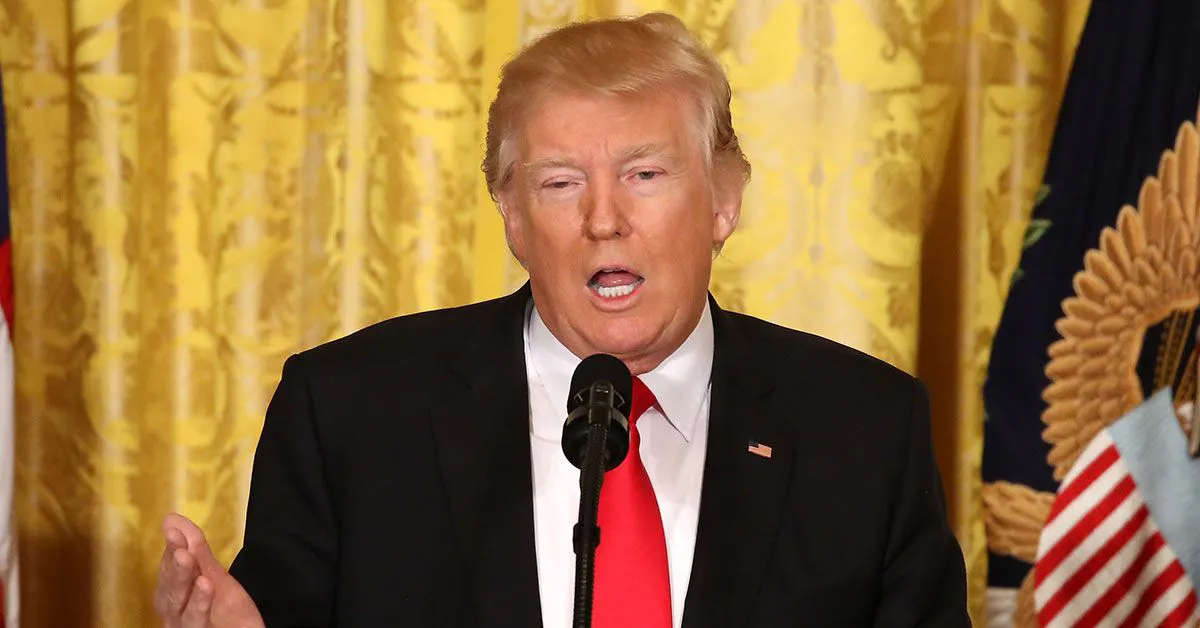
The administration of U.S. President Donald Trump has announced it will no longer support United Nations logistical assistance for the African Union's peacekeeping mission in Somalia from 2027, a move that could significantly affect ongoing operations against the militant group al-Shabaab.
The decision means Washington will oppose any extension of UN support for the UN Support Office in Somalia (UNSOS), which provides essential services such as food, fuel, medical care and transport to the African Union Support and Stabilisation Mission in Somalia (AUSSOM). However, the United States said it does not object to renewing AUSSOM's mandate, provided it no longer relies on UN logistical backing.
US Cites Lack of Progress
According to the U.S. State Department, Washington has contributed nearly $2 billion to UNSOS and its predecessor missions over the years. The administration argues that despite this investment, Somalia has not made sufficient progress toward assuming responsibility for its own security or defeating al-Shabaab.
The U.S. also cited political divisions within Somalia's leadership, saying internal rivalries have hindered efforts to combat both al-Shabaab and ISIS-linked militants.
Concerns Over Regional Security
The African Union has warned that the U.S. decision could have significant implications for AUSSOM's operations and financing. The mission, which has nearly 12,000 personnel, depends heavily on UN logistical support to sustain its operations across Somalia
Security experts and Somali officials have expressed concern that without an alternative funding mechanism, the peacekeeping mission could struggle to continue, potentially weakening efforts to contain al-Shabaab, which remains one of East Africa's most active extremist groups.
Future of the Mission Uncertain
The United Nations has acknowledged the U.S. decision and said discussions are underway with the African Union, the Somali government and other international partners to determine the way forward.
The announcement comes amid continued security challenges in Somalia, where al-Shabaab controls parts of the countryside and continues to carry out attacks despite years of international military support.