 Lilian Nyiva
Counterfeit Viagra, Fake HIV Drugs Among 2,200 Medicines Removed From Kenyan Market
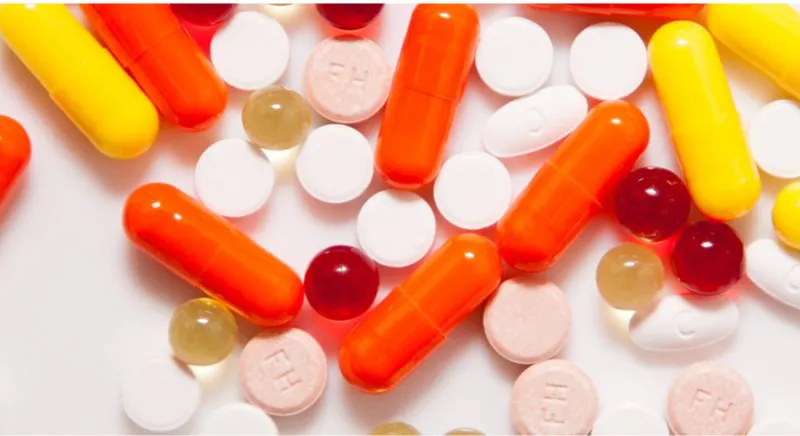
The Kenyan government has intensified its fight against counterfeit and substandard medicines, removing more than 2,200 non-compliant medical products from the market in what authorities describe as the country's most comprehensive crackdown on falsified medicines to date.
The operation targets a wide range of unsafe medical products, including counterfeit Viagra, fake HIV medicines, falsified HIV rapid diagnostic test kits, and ineffective blood-thinning drugs used during dialysis. Health officials say the products pose a serious threat to patient safety because they may contain the wrong ingredients, incorrect dosages, or no active ingredients at all.
Government warns counterfeit medicine trade will not be tolerated
Speaking during the launch of the Interministerial Steering Committee to oversee Kenya's National Action Plan on Substandard and Falsified Medical Products, Health Cabinet Secretary Aden Duale warned manufacturers, importers and distributors dealing in counterfeit medicines that the government will enforce stricter regulatory action.
Duale said patient safety would take precedence over commercial interests, adding that those who fail to comply with the law risk being removed from the Kenyan market. He noted that the Pharmacy and Poisons Board (PPB) has undertaken a mandatory review of legacy medical products, resulting in the removal of 2,258 non-compliant medicines from the national register.
Counterfeit products pose life-threatening risks
According to the PPB, counterfeit medicines have already endangered patients. One reported case involved a dialysis patient in Kilifi County whose blood began clotting abnormally after being administered a falsified anticoagulant. A nurse detected the problem early, halted the procedure and switched to an alternative medication, preventing what could have been a fatal outcome. The case remains before the courts.
Health officials have also expressed concern over counterfeit HIV medicines and fake HIV test kits, warning that such products can lead to incorrect diagnoses, treatment failure and increased public health risks.
Strengthened surveillance and enforcement
The PPB says it has strengthened inspections at ports of entry, expanded market surveillance, increased post-market monitoring and introduced mandatory re-registration of older medicines to improve oversight of pharmaceutical products.
Between 2021 and 2025, the regulator received 1,413 product quality complaints and recalled 99 medical products. It also issued 18 alerts on suspected falsified medicines between 2020 and 2026 as part of efforts to protect the public from unsafe health products.
National effort to protect patients
The government says tackling counterfeit medicines will require coordinated action involving regulators, law enforcement agencies, county governments, healthcare professionals, manufacturers and the public.
Health authorities are urging Kenyans to purchase medicines only from licensed pharmacies and to report any suspected counterfeit medical products to the Pharmacy and Poisons Board as the country steps up efforts to safeguard the integrity of its healthcare system.