 Victor Elvis Mugambi
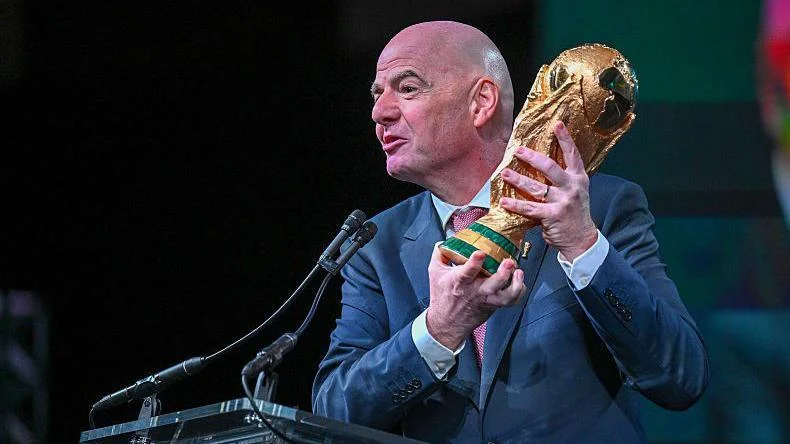
FIFA President Gianni Infantino has confirmed that the organization is considering expanding the FIFA World Cup to include 64 teams for the 2030 tournament. This potential change marks a significant shift in the tournament's traditional format and aims to reflect the sport's increasing global popularity.
The Implications of Expanding the World Cup to 64 Teams
The proposal to increase the tournament size from the current 32 teams to 64 is motivated by a desire to provide more opportunities for smaller countries and to better showcase football's worldwide reach. Such an expansion could also impact the tournament's structure, logistics, and global viewership, potentially making it more inclusive and diverse.
While the move has received support from parts of the football community who see it as a chance to promote greater global participation, some, like UEFA President Aleksander Ceferin, have expressed concerns. Critics argue that expanding the tournament might dilute the quality of competition, possibly leading to less exciting matches and logistical challenges.
Adopting a 64-team format would mark a substantial change in FIFA's tournament policy, raising questions about the balance between inclusivity and competitive integrity. As FIFA embarks on these discussions, the decision will likely involve careful consideration of the tournament's overall quality and global impact.
Ultimately, the decision to expand the World Cup will reflect FIFA's broader objectives of global engagement and growth in football. Stakeholders await further details as FIFA evaluates the potential benefits and challenges of this significant expansion.