 Lilian Nyiva
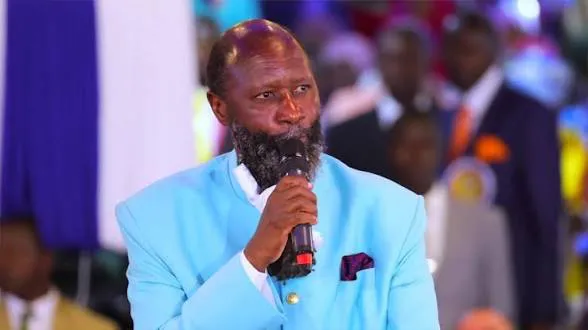
A group of Kenyan lawyers publicly defended claims made by followers of Prophet David Owuor regarding an alleged HIV healing during a religious gathering held at Uhuru Park in Nairobi, reigniting debate over faith healing, medical evidence, and public health.
According to statements made during the event, the lawyers referred to the case of a man identified as Peter Oan, who was said to have previously tested HIV-positive before later receiving a negative test result after prayers associated with Prophet Owuor's Ministry of Repentance and Holiness.
The lawyers argued that the case had been subjected to investigations and maintained that the healing testimony was genuine. They also called for apologies from media outlets and public institutions that had questioned the claims.
Ministry of Health's Position
Kenya's Ministry of Health has consistently advised the public that HIV has no scientifically proven cure. Health authorities encourage people living with HIV to continue taking antiretroviral therapy (ART), which effectively suppresses the virus and enables patients to live long and healthy lives.
Medical experts have repeatedly warned against abandoning treatment based on unverified healing claims, noting that stopping medication can lead to drug resistance, worsening health, and increased risk of transmitting the virus.
Debate Over Evidence
Claims of miraculous healing have generated mixed reactions in Kenya for years. While supporters of Prophet Owuor view such testimonies as evidence of divine intervention, scientists and medical professionals maintain that extraordinary medical claims require rigorous scientific verification through recognized clinical and laboratory procedures.
To date, there is no publicly available scientific evidence accepted by the medical community demonstrating that prayer alone has cured HIV.
Public Reaction
The lawyers' remarks sparked widespread discussion on social media. Supporters praised them for defending their clients and upholding freedom of religion, while critics questioned the appropriateness of endorsing claims that have not been scientifically verified.
Legal experts have also noted that lawyers are entitled to represent clients and advance their cases within the law. However, this does not constitute independent scientific confirmation of the medical claims being presented.