 Faith Masita
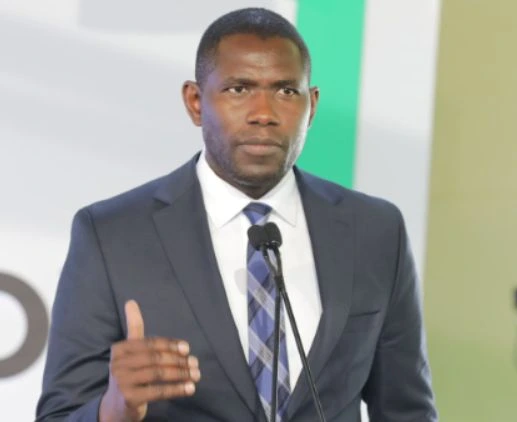
Kenya is officially breaking the wall between herbalists and hospitals. Medical Services PS Dr. Ouma Oluga has announced a historic shift: Traditional, Complementary, and Integrative Medicine (TCIM) will no longer be an "alternative" but a core part of the national primary healthcare system.
Speaking at the World Health Summit Regional Meeting 2026 in Nairobi, Dr. Oluga revealed that the government is rolling out a framework to regulate and integrate traditional healers into formal care pathways.
Why the Pivot? The Science of Reality
For decades, traditional medicine existed in the shadows of formal policy, yet it remained the first point of call for 80% of Kenyans. By bringing it into the light, the Ministry of Health (MoH) aims to solve three massive crises:
The Cost of Living (and Dying): Conventional healthcare is becoming increasingly expensive. Integrating validated traditional therapies offers a more affordable, community-rooted option for managing chronic conditions.
The "Superbug" Threat: Misuse of antibiotics is driving antimicrobial resistance. By standardizing herbal treatments for minor ailments, the government can reduce the over-reliance on pharmaceutical drugs.
The Lifestyle Disease Explosion: Non-communicable diseases (NCDs) like diabetes and hypertension require long-term management. Traditional medicine, focused on holistic wellness and nutrition, is being tapped to help bridge the gap in preventive care.
Safety First: No More "Snake Oil"
This isn't a free-for-all. Dr. Oluga emphasized that the integration is backed by strict quality controls. The plan includes:
Official Referrals: A formal system where traditional practitioners can refer patients to hospitals, and vice versa.
Clinical Validation: KEMRI and other research bodies will "audit" traditional cures to ensure they actually work and are safe.
Certification: Only registered and trained practitioners will be allowed to operate within the national health structures.
The Bottom Line
Kenya is following the successful models of India and China, acknowledging that "modern" and "traditional" medicine don't have to compete. Instead, they can work together to ensure that no Kenyan is left behind, whether they seek help from a white-coat doctor or a community herbalist.
"We are leveraging care pathways that our communities already trust," Dr. Oluga noted. "It's about making the system work for the people, not the other way around."
Speaking at the World Health Summit Regional Meeting 2026 in Nairobi, Dr. Oluga revealed that the government is rolling out a framework to regulate and integrate traditional healers into formal care pathways.
Why the Pivot? The Science of Reality
For decades, traditional medicine existed in the shadows of formal policy, yet it remained the first point of call for 80% of Kenyans. By bringing it into the light, the Ministry of Health (MoH) aims to solve three massive crises:
The Cost of Living (and Dying): Conventional healthcare is becoming increasingly expensive. Integrating validated traditional therapies offers a more affordable, community-rooted option for managing chronic conditions.
The "Superbug" Threat: Misuse of antibiotics is driving antimicrobial resistance. By standardizing herbal treatments for minor ailments, the government can reduce the over-reliance on pharmaceutical drugs.
The Lifestyle Disease Explosion: Non-communicable diseases (NCDs) like diabetes and hypertension require long-term management. Traditional medicine, focused on holistic wellness and nutrition, is being tapped to help bridge the gap in preventive care.
Safety First: No More "Snake Oil"
This isn't a free-for-all. Dr. Oluga emphasized that the integration is backed by strict quality controls. The plan includes:
Official Referrals: A formal system where traditional practitioners can refer patients to hospitals, and vice versa.
Clinical Validation: KEMRI and other research bodies will "audit" traditional cures to ensure they actually work and are safe.
Certification: Only registered and trained practitioners will be allowed to operate within the national health structures.
The Bottom Line
Kenya is following the successful models of India and China, acknowledging that "modern" and "traditional" medicine don't have to compete. Instead, they can work together to ensure that no Kenyan is left behind, whether they seek help from a white-coat doctor or a community herbalist.
"We are leveraging care pathways that our communities already trust," Dr. Oluga noted. "It's about making the system work for the people, not the other way around."
Fast Facts on the New Policy:
Integration Level: Primary Healthcare (Dispensaries and Health Centers).
Key Focus: Safety, Regulation, and Research-backed validation.
Goal: Lowering treatment costs and tackling NCDs.
Partners: WHO and East African Community (EAC) regional bodies.
Integration Level: Primary Healthcare (Dispensaries and Health Centers).
Key Focus: Safety, Regulation, and Research-backed validation.
Goal: Lowering treatment costs and tackling NCDs.
Partners: WHO and East African Community (EAC) regional bodies.