 Diana Muthini
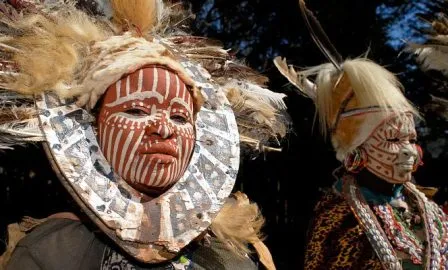
The cultural landscape of the Gikuyu community is currently weathering a significant storm following the controversial coronation of Nominated Senator Karen Nyamu as a Nyakinyua (woman elder). The move has sparked a fierce backlash from established traditionalists, who have dismissed the ceremony with a blunt verdict: "Ni Mbaya" (It is bad).
Here is an exploration of the brewing conflict between modern political influence and ancient cultural gatekeeping.
The Clash of Crowns: Tradition vs. Politics
In the heart of Central Kenya, the title of "Nyakinyua" is not merely a label; it is a sacred status earned through years of adherence to community values, wisdom, and specific cultural rites of passage. Traditionally, becoming a woman elder requires more than just a ceremony—it requires the consensus of the "Kiama" (Council of Elders) and a life lived in accordance with the community’s moral fabric.
The coronation of Senator Karen Nyamu has been met with stiff resistance from a section of legitimate Kikuyu women elders. Their grievance is twofold:
- Lack of Consultation: The elders claim that the ceremony was conducted in a vacuum, ignoring the established councils that have guarded these traditions for generations.
- Political Commercialization: There is a growing fear among traditionalists that sacred cultural milestones are being "weaponized" or "commercialized" by politicians seeking to bolster their grassroots appeal.
Why the "Nyakinyua" Title Matters
To understand the weight of this rejection, one must understand what a Nyakinyua represents. In Gikuyu culture, women elders are the custodians of family values and the educators of the next generation.
By rejecting the Senator’s coronation, the elders are effectively signaling that political power does not equate to cultural authority. They described the event not as a rite of passage, but as a "political exercise" that lacked the spiritual and communal backing required to make it legitimate.
The New "True" Elder
Adding a twist to the unfolding drama, the council of elders has reportedly pointed toward a different individual as the legitimate bearer of the title, further distancing themselves from the Senator’s ceremony. This move sets up a fascinating tension between the "official" political world and the "traditional" grassroots leadership.
A Community Divided?
This incident highlights a broader conversation happening across Kenya: how do we preserve ancient traditions in a rapidly modernizing, highly political society?
For the elders, the "Ni Mbaya" stance is a protective measure—a way to ensure that their culture isn't sold to the highest bidder. For the supporters of the Senator, it may be seen as an evolution of culture where leaders are recognized for their public service.
Key Takeaway: The rejection of Karen Nyamu’s eldership serves as a stark reminder that while politics moves fast, tradition moves slow—and it refuses to be rushed.