 CALEB MWENDWA MUSYOKI
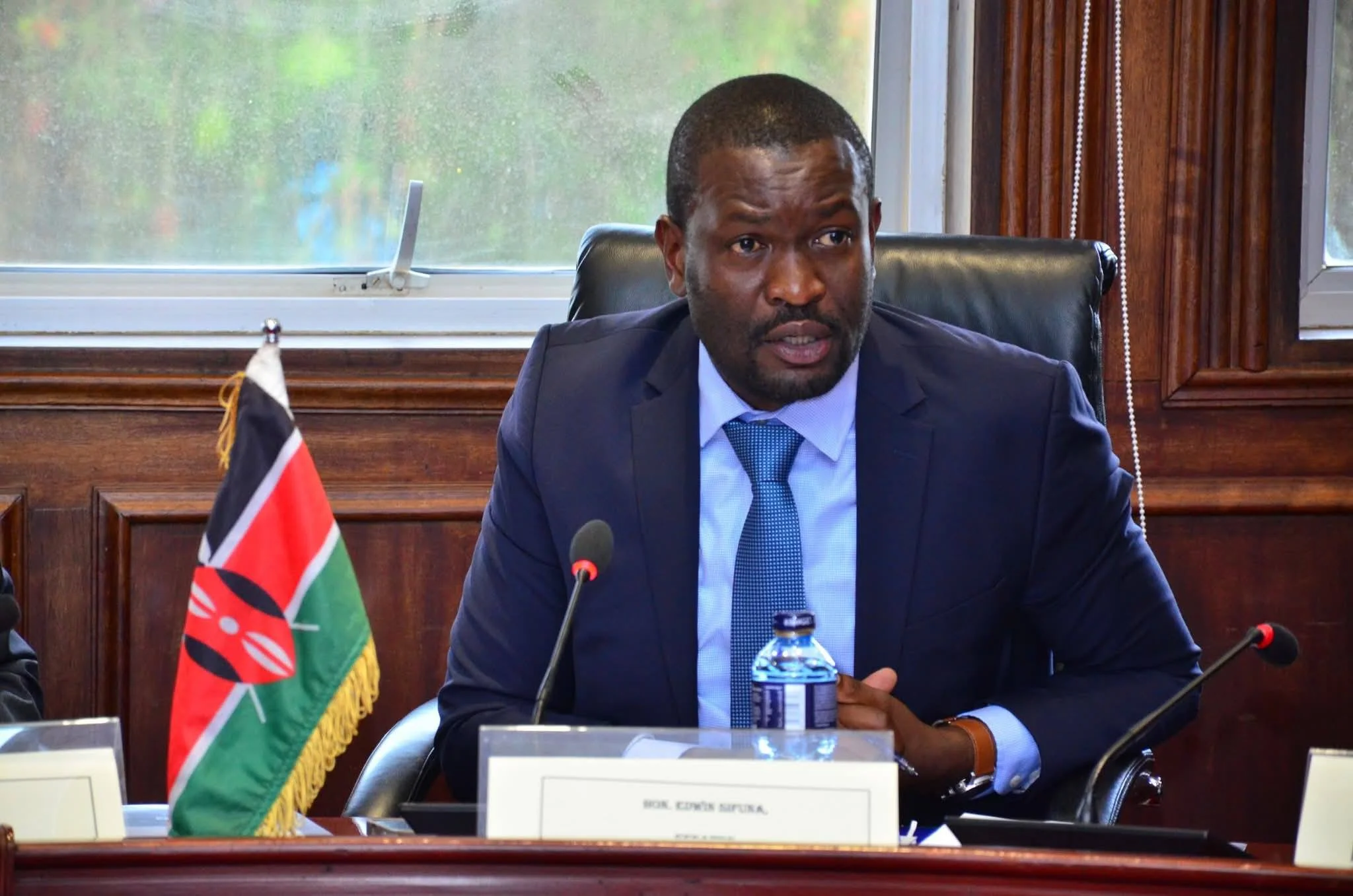
"Hata Ndio Vizuri": Nairobi Senator Edwin Sifuna Reacts After Radio Jambo Abruptly Cancels Interview
In a move that has sent ripples through the Kenyan media and political landscape, Nairobi Senator Edwin Sifuna revealed that his highly anticipated morning interview on Radio Jambo was cancelled at the eleventh hour.
The Senator, known for his unapologetic and often fiery rhetoric, took to social media to share the news, sparking a heated debate about media independence and political interference.
The Senator, known for his unapologetic and often fiery rhetoric, took to social media to share the news, sparking a heated debate about media independence and political interference.
Sifuna was scheduled to appear on the popular breakfast show to discuss the state of the nation, particularly the rising political temperatures and his recent stances on national governance. However, just moments before the broadcast, the station reportedly reached out to inform him that the session would no longer take place.
The station cited "unavoidable circumstances"—a phrase that has become a lightning rod for skepticism among the Senator’s supporters.
"Good afternoon Senator, Unfortunately we are not able to run the Radio Jambo interview tomorrow morning as initially planned. This is due to unavoidable circumstances. Apologies for any inconvenience caused. Regards," Martin NK: Radio Jambo Breakfast Producer
The station cited "unavoidable circumstances"—a phrase that has become a lightning rod for skepticism among the Senator’s supporters.
"Good afternoon Senator, Unfortunately we are not able to run the Radio Jambo interview tomorrow morning as initially planned. This is due to unavoidable circumstances. Apologies for any inconvenience caused. Regards," Martin NK: Radio Jambo Breakfast Producer
Rather than expressing frustration, Sifuna took a characteristically bold stance. Posting on his official platforms, he noted:
"Hata ndio vizuri . We know exactly where the pressure is coming from."
By using the phrase "Hata ndio vizuri," Sifuna suggested that the cancellation was more revealing than the interview itself would have been. He hinted that the move was a result of external "orders from above," implying that state actors or powerful individuals were uncomfortable with the platform he was about to receive.
The incident has reignited concerns regarding the editorial independence of private media houses in Kenya.
The "Orders from Above" Narrative: Political analysts suggest that the cancellation fits a growing pattern of "deplatforming" vocal opposition leaders.
Strategic Silence: Some argue that by cancelling the show, the station inadvertently gave Sifuna a larger "victimhood" platform, allowing him to dominate the digital conversation without even uttering a word on air.
Public Outcry: Within minutes of his announcement, hashtags related to the Senator began trending, with many Kenyans demanding transparency from the Radio Africa Group-owned station.
The "Orders from Above" Narrative: Political analysts suggest that the cancellation fits a growing pattern of "deplatforming" vocal opposition leaders.
Strategic Silence: Some argue that by cancelling the show, the station inadvertently gave Sifuna a larger "victimhood" platform, allowing him to dominate the digital conversation without even uttering a word on air.
Public Outcry: Within minutes of his announcement, hashtags related to the Senator began trending, with many Kenyans demanding transparency from the Radio Africa Group-owned station.
Ironically, the cancellation served to bolster Sifuna’s image as a "man the system fears." By shifting the narrative from a standard political interview to a story of censorship, Sifuna managed to: Galvanize his base online. Cast doubt on the neutrality of mainstream media. Transition his messaging to other platforms, such as the Standard Group’s Spice FM and Radio Maisha , where he has since found a more consistent voice.
As the 2026 political calendar heats up, the "Sifuna vs. The Censors" narrative is likely to remain a key theme in his communication strategy. For the Nairobi Senator, being silenced on one frequency seems to only increase his volume on every other channel.
While Radio Jambo has yet to issue an official, detailed statement regarding the "unavoidable circumstances," the incident serves as a stark reminder of the delicate balance between commercial media interests and the hard-hitting nature of Kenyan politics.