 Diana Muthini
The clouds that gathered over Nairobi yesterday evening didn’t look like the usual seasonal guests. They were heavy, bruised purple, and unusually still. By the time the first drops hit the pavement of Imara Daima, it wasn’t a gentle drizzle—it was a full-scale atmospheric assault.
As the night progressed, what began as a rhythmic drumming on corrugated iron and tiled roofs transformed into a roar. By 2:00 AM, the estate, known for its tranquil residential vibe and proximity to the industrial hub, had become a scene of aquatic chaos.
A River Runs Through It
In Imara Daima, the geography worked against the residents. As the drainage systems—long criticized for being inadequate for the city's rapid expansion—became choked with debris, the water had nowhere to go but up. In courts like Sunrise and parts of Villa Franca, the water rose with terrifying speed.
Ground-floor tenants woke up not to the sound of their alarms, but to the cold, muddy touch of the Nairobi River’s overflow entering their bedrooms. By dawn, living rooms were transformed into murky ponds where sofas bobbed like lost ships and expensive electronics were rendered into scrap metal.
The Graveyard of Engines
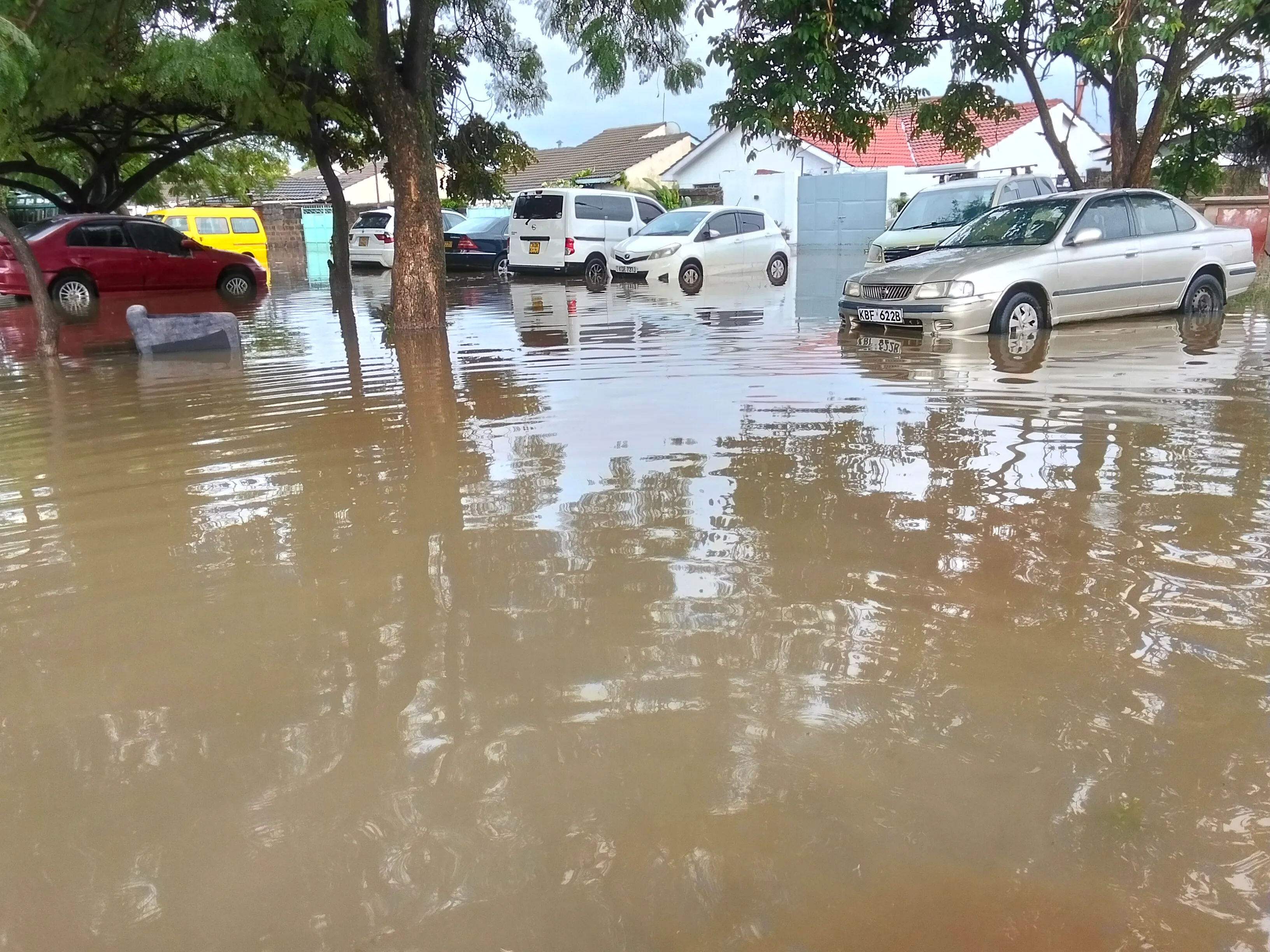
Perhaps the most heartbreaking sight for many was the state of the parking lots. Imara Daima is home to many of Nairobi's commuting professionals, and the estate’s streets were lined with vehicles that, just hours prior, were the pride of their owners.
As the flash floods surged through the estate gates, cars weren’t just submerged; they were displaced.
- Sedans were swallowed up to their roofs, their headlights flickering one last time as the electronics short-circuited.
- SUVs, usually the kings of Nairobi’s rugged terrain, found themselves pinned against perimeter walls by the sheer force of the current.
- The Aftermath: By morning, the receding waters left behind a silt-covered graveyard of Toyotas, Subarus, and Nissans, their interiors caked in sludge and their engines likely hydrolocked beyond repair.
A Community Under Siege
The human cost, however, is what resonated most. Throughout the night, social media groups for Imara residents were a flurry of activity—distress calls from families trapped on upper floors, warnings about live power lines dipping into the floodwaters, and neighbors coordinating DIY rescue missions using plastic tubs and makeshift rafts.
"It happened so fast," said one resident near the railway station. "You think you have time to move the car or lift the fridge, but then the water is at your knees, and your only thought is getting the children to the neighbors on the second floor."
The Morning After: Silt and Soul-Searching
As the sun rose over a soggy Nairobi today, May 1, 2026, the residents of Imara Daima stepped out into a changed world. The air was thick with the smell of damp earth and sewage. Business owners along the estate’s main drag spent the morning shoveling mud out of their shops, tallying losses that will likely run into the millions.
This latest deluge has reignited the fiery debate over Nairobi’s urban planning. While the rains were undeniably "heavy," many argue that a modern estate like Imara Daima shouldn't be turned into a lake every time the heavens open.
For now, the people of Imara Daima are left to dry out what’s left of their lives, keeping a wary eye on the horizon. Because in Nairobi, when the clouds turn that specific shade of purple, the night is rarely ever peaceful.