 Wambui Faith
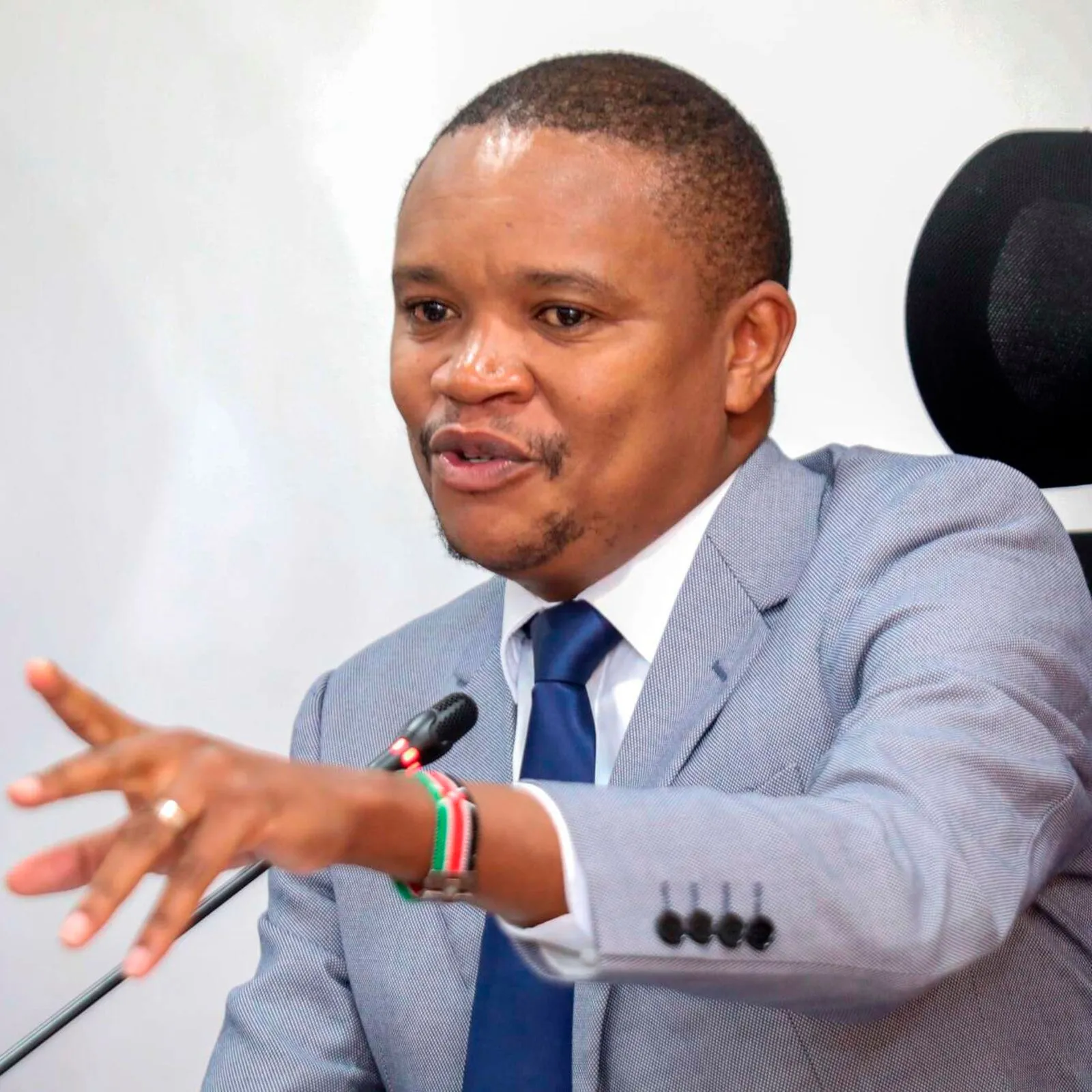
While Ndindi Nyoro took a hardline stance against government policies on #JKLive, Molo MP and Finance Committee Chairman Kimani Kuria presented a sharp, record-focused rebuttal. His defense centered on legislative consistency, the reality of global economic shocks, and a direct challenge to what he termed "political hypocrisy."
The most striking part of Kuria’s defense was his decision to revisit the parliamentary Hansard. He challenged the Kiharu MP’s sudden shift in tone regarding the country’s tax and energy policies.
.The VAT Vote: Kuria reminded the audience that when the proposal to increase VAT on fuel from 8% to 16% was on the floor, Nyoro was not an opponent but a supporter. "Mheshimiwa Ndindi Nyoro alikuwa wapili kupiga hiyo kura," Kuria noted, emphasizing that the very tax Nyoro now criticizes was passed with his own "Yes" vote.
.The G-to-G Flip-Flop: Kuria expressed surprise at Nyoro’s current branding of the G-to-G oil deal as a "scandal." He claimed that during the 2023 budget sessions, Nyoro—as the Budget Committee Chair—was one of the deal's biggest cheerleaders, praising it as a solution to the fuel crisis in the National Assembly.
Global Context: Beyond "Politics"
Kuria urged the public to look beyond local political theater and consider the geopolitical factors affecting the energy sector.
.The Iran Crisis: He argued that the current fuel situation cannot be compared to previous years without acknowledging the war in Iran and regional instability, which have disrupted seamless oil importation.
.The Subsidy Debate: Kuria defended the decision to move away from fuel subsidies, a move he says Nyoro previously led the debate on. He maintained that subsidies were not a sustainable way to help the "mwananchi" and that finding long-term solutions is better than "politicizing" a global crisis.
Beneficiaries of the Status Quo
In one of the night’s most viral moments, Kuria turned the spotlight on Nyoro’s personal financial interests to counter the "government apologist" narrative.
Pointing to Nyoro’s admission of owning 26 million shares in Kenya Power (KPLC), Kuria argued that the Kiharu MP is actually a "beneficial owner" of the current energy landscape. He suggested that as KPLC collects higher revenues and pays out dividends, the very people criticizing the government are the ones "paid the greatest number of dividends."
"I wonder, between then and now, how did he become so intelligent all of a sudden? I don’t have hypocrisy; I voted for these bills and I stand by the need to find solutions." — Kimani Kuria
The National Outlook
Throughout the exchange, Kuria positioned himself as a realist. His argument was built on the premise that the government’s choices, though difficult and unpopular at the pump, were collective decisions made by the legislature—including those now trying to distance themselves from the outcomes.
For Kuria, the debate wasn't just about the price of fuel; it was about the integrity of leadership and the responsibility of lawmakers to stand by the policies they helped create.
The most striking part of Kuria’s defense was his decision to revisit the parliamentary Hansard. He challenged the Kiharu MP’s sudden shift in tone regarding the country’s tax and energy policies.
.The VAT Vote: Kuria reminded the audience that when the proposal to increase VAT on fuel from 8% to 16% was on the floor, Nyoro was not an opponent but a supporter. "Mheshimiwa Ndindi Nyoro alikuwa wapili kupiga hiyo kura," Kuria noted, emphasizing that the very tax Nyoro now criticizes was passed with his own "Yes" vote.
.The G-to-G Flip-Flop: Kuria expressed surprise at Nyoro’s current branding of the G-to-G oil deal as a "scandal." He claimed that during the 2023 budget sessions, Nyoro—as the Budget Committee Chair—was one of the deal's biggest cheerleaders, praising it as a solution to the fuel crisis in the National Assembly.
Global Context: Beyond "Politics"
Kuria urged the public to look beyond local political theater and consider the geopolitical factors affecting the energy sector.
.The Iran Crisis: He argued that the current fuel situation cannot be compared to previous years without acknowledging the war in Iran and regional instability, which have disrupted seamless oil importation.
.The Subsidy Debate: Kuria defended the decision to move away from fuel subsidies, a move he says Nyoro previously led the debate on. He maintained that subsidies were not a sustainable way to help the "mwananchi" and that finding long-term solutions is better than "politicizing" a global crisis.
Beneficiaries of the Status Quo
In one of the night’s most viral moments, Kuria turned the spotlight on Nyoro’s personal financial interests to counter the "government apologist" narrative.
Pointing to Nyoro’s admission of owning 26 million shares in Kenya Power (KPLC), Kuria argued that the Kiharu MP is actually a "beneficial owner" of the current energy landscape. He suggested that as KPLC collects higher revenues and pays out dividends, the very people criticizing the government are the ones "paid the greatest number of dividends."
"I wonder, between then and now, how did he become so intelligent all of a sudden? I don’t have hypocrisy; I voted for these bills and I stand by the need to find solutions." — Kimani Kuria
The National Outlook
Throughout the exchange, Kuria positioned himself as a realist. His argument was built on the premise that the government’s choices, though difficult and unpopular at the pump, were collective decisions made by the legislature—including those now trying to distance themselves from the outcomes.
For Kuria, the debate wasn't just about the price of fuel; it was about the integrity of leadership and the responsibility of lawmakers to stand by the policies they helped create.