 Diana Muthini
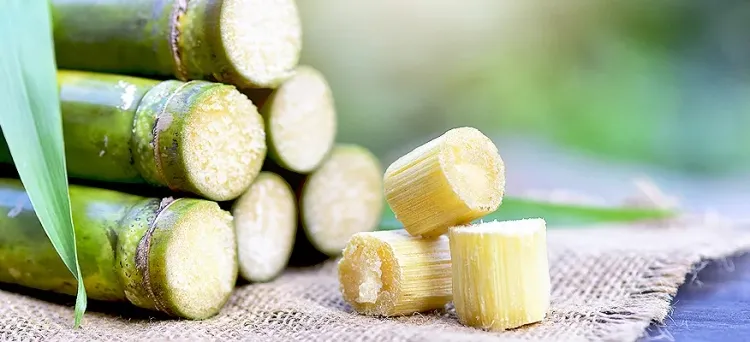
Sugarcane is one of the most important and widely cultivated crops in the world, playing a major role in agriculture, industry, and everyday life. Known for its tall, fibrous stalks and sweet juice, sugarcane has been grown for thousands of years and continues to be a key source of sugar, energy, and economic livelihood for millions of people.
Introduction to Sugarcane
Sugarcane is a tropical and subtropical crop that thrives in warm climates with plenty of rainfall or irrigation. It belongs to the grass family and grows best in regions with fertile soil and long growing seasons. Countries such as Brazil, India, China, and Thailand are among the largest producers of sugarcane, while in Africa, nations like Kenya, Uganda, and South Africa also contribute significantly to its production.
In Kenya, sugarcane farming is especially important in regions like Western Kenya, including areas such as Kakamega, Bungoma, and Kisumu. It supports thousands of farmers and is a major contributor to rural economies.
History and Origin
Sugarcane is believed to have originated in Southeast Asia, particularly in regions like New Guinea. From there, it spread to India and later to the Middle East and Europe through trade. During the colonial period, sugarcane plantations expanded rapidly in the Americas and Africa, often relying on forced labor. Over time, sugarcane became a global commodity, shaping economies and societies across continents.
Cultivation of Sugarcane
Growing sugarcane requires proper land preparation, quality planting materials, and careful management. Farmers usually plant sugarcane using cuttings from mature stalks rather than seeds. The crop takes about 10 to 18 months to mature, depending on the variety and climate conditions.
Key factors in sugarcane cultivation include:
Soil fertility: Rich, well-drained soils are ideal.
Water supply: Sugarcane needs a lot of water, especially during its growth stage.
Weed and pest control: Farmers must manage weeds and pests to ensure good yields.
Harvesting: The crop is harvested when the sugar content is highest, usually by cutting the stalks close to the ground.
Uses of Sugarcane
Sugarcane is an incredibly versatile crop with many uses:
Sugar Production:
The most common use of sugarcane is to produce sugar. The juice extracted from the stalks is processed and refined into different forms such as white sugar, brown sugar, and molasses.
Ethanol and Biofuel:
Sugarcane is used to produce ethanol, a renewable source of energy. Ethanol can be blended with fuel to reduce pollution and dependence on fossil fuels.
Food and Beverages:
Fresh sugarcane juice is a popular drink in many countries. It is refreshing, nutritious, and naturally sweet.
Industrial Products:
By-products of sugarcane, such as bagasse (the fibrous residue), are used to make paper, cardboard, and even as fuel for power generation in factories.
Animal Feed:
Some parts of sugarcane can be used as livestock feed, especially during dry seasons.
Economic Importance
Sugarcane farming provides employment to millions of people worldwide, from farmers to factory workers and transporters. In Kenya, the sugar industry supports entire communities and contributes to national income. Sugar factories, both public and private, rely heavily on consistent sugarcane supply from local farmers.
However, the industry also faces challenges such as fluctuating sugar prices, competition from imports, high production costs, and delayed payments to farmers. Addressing these challenges is crucial for the sustainability of the sector.
Environmental Impact
Like any large-scale agricultural activity, sugarcane farming has environmental effects. On one hand, it provides renewable energy and biodegradable products. On the other hand, excessive use of water, fertilizers, and pesticides can harm the environment.
Sustainable farming practices, such as proper irrigation methods, organic fertilizers, and crop rotation, can help reduce negative impacts and protect natural resources.
Challenges Facing Sugarcane Farming
Some of the major challenges include:
Climate change affecting rainfall patterns
Pests and diseases damaging crops
Poor infrastructure and transport systems
Low prices and delayed farmer payments
Competition from imported sugar
To overcome these issues, governments and stakeholders need to invest in modern farming techniques, better policies, and support systems for farmers.
Conclusion
Sugarcane is more than just a source of sugar—it is a vital crop that supports economies, provides energy, and sustains livelihoods. Its importance in countries like Kenya cannot be overstated, as it plays a key role in both rural development and industrial growth.
As the world moves towards sustainable practices, sugarcane has the potential to become even more valuable, especially in the production of renewable energy. With proper management, investment, and innovation, sugarcane farming can continue to thrive and benefit future generations.