 Faith Masita
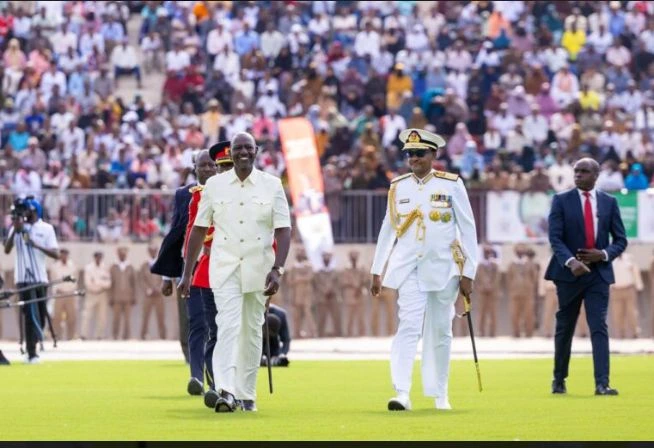
President William Ruto has directed the Ministry of Education to begin the process of formally integrating Madrasa, Duksi and pastoral instruction programmes into Kenya's basic education system, in a major policy shift aimed at expanding access to education for children in marginalized communities.
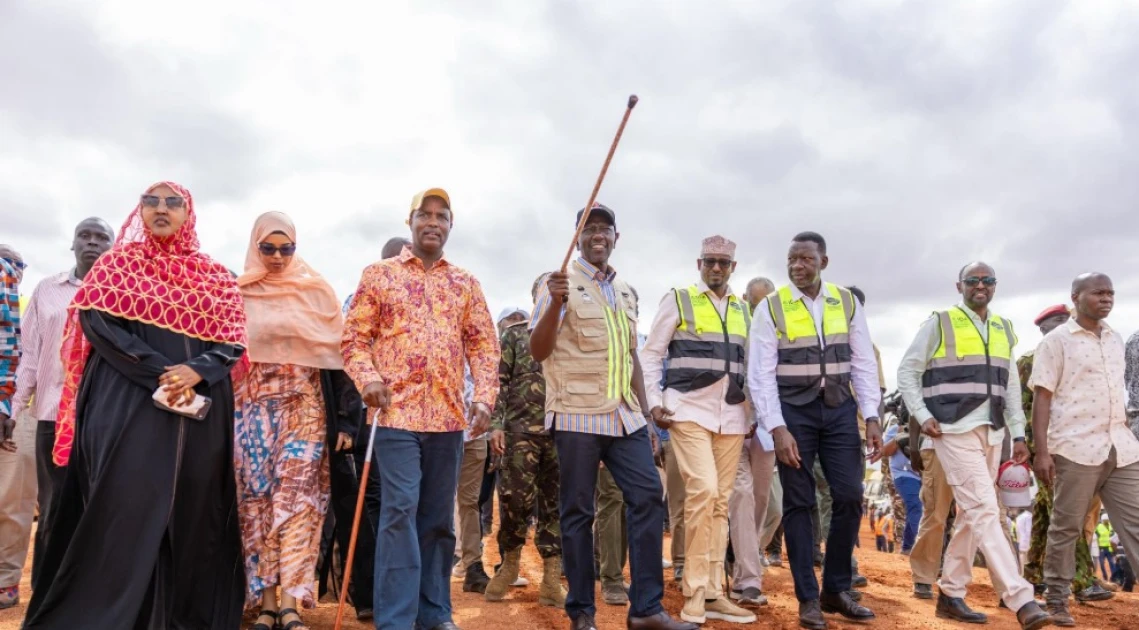
Speaking during the 63rd Madaraka Day celebrations in Wajir County, Ruto said the government will establish a legal and policy framework to recognize alternative learning pathways that have long operated outside the formal education system.
New Policy Aims to Expand Education Access in Marginalized Communities
The President directed Education Cabinet Secretary Julius Ogamba to immediately begin consultations with stakeholders under the Basic Education Act
"Today I direct the Cabinet Secretary for Education to engage all relevant stakeholders and take the necessary measures under the Basic Education Act to consult widely and recommend appropriate measures for the formal integration of the same," Ruto said.
Ruto noted that the lack of a clear framework for Duksi, Madrasa and pastoral instruction has denied many children, particularly in northern Kenya, access to recognized educational pathways and opportunities.
"This will ensure that every child, regardless of background or circumstance, has a recognised pathway into learning, skills and opportunity. Every child deserves a door into learning. It is our duty to open every door," he said.
The directive forms part of the government's broader push to address historical inequalities in northern Kenya and improve education outcomes in underserved regions.
Ruto said education remains the most powerful tool for transforming lives and revealed that the national education budget has increased from Sh500 billion in 2022 to more than Sh702 billion, while over 100,000 teachers have been recruited in the last three years.
To tackle teacher shortages in northern Kenya, the President announced that 1,800 teachers from Wajir, Mandera and Garissa counties have been employed under an affirmative action programme and will be deployed within the region.
"Today, through this affirmative action programme, a record 1,800 local teachers from Wajir, Mandera and Garissa counties have been employed and will be deployed in the region," he said.
The President also reaffirmed his administration's commitment to ending historical marginalization in northern Kenya, saying education, infrastructure, healthcare and economic investments will be key drivers of the region's development.
"Wajir is not the edge of Kenya, Wajir is Kenya," Ruto declared.