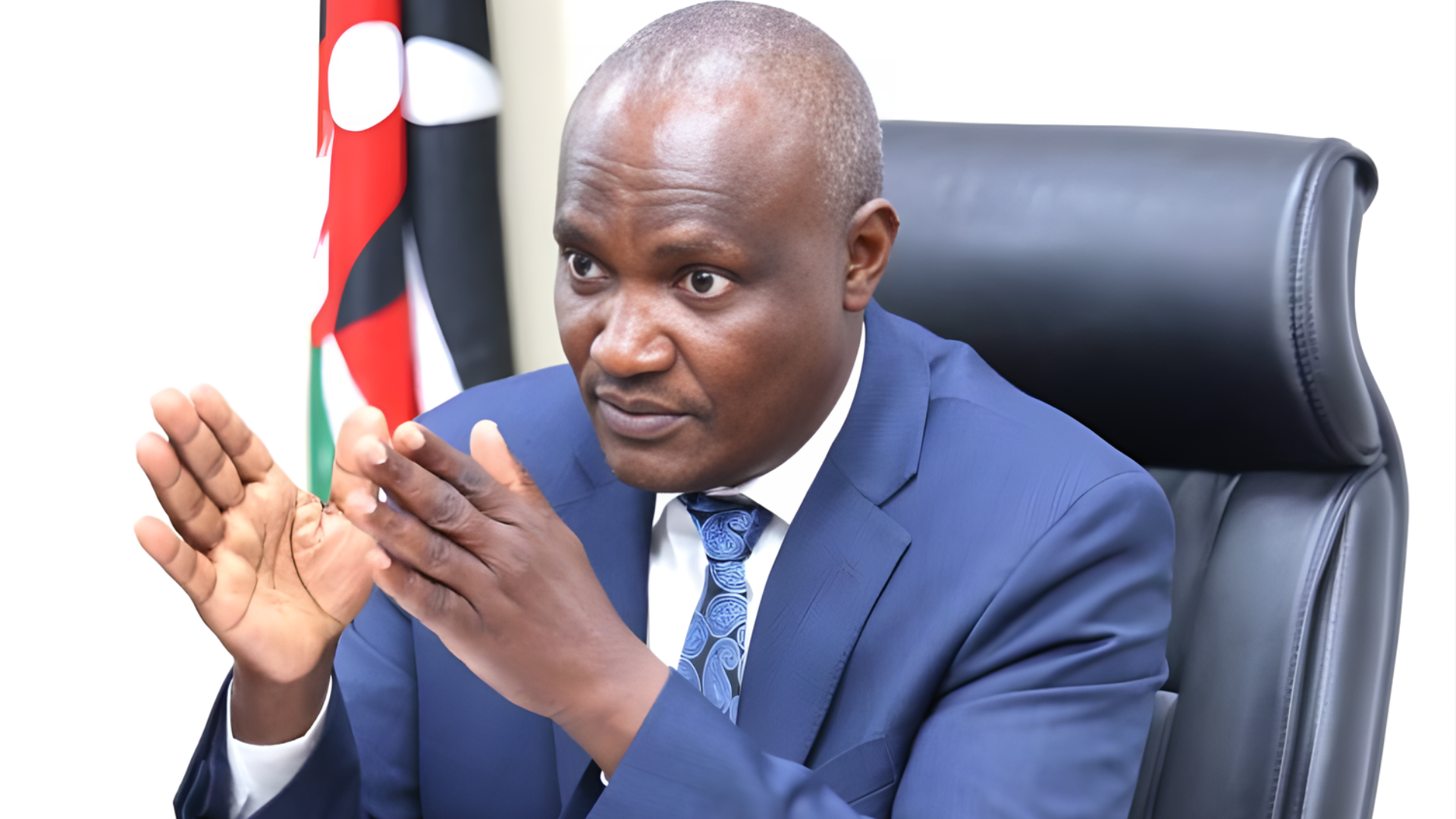
 EMMANUEL WEKESA
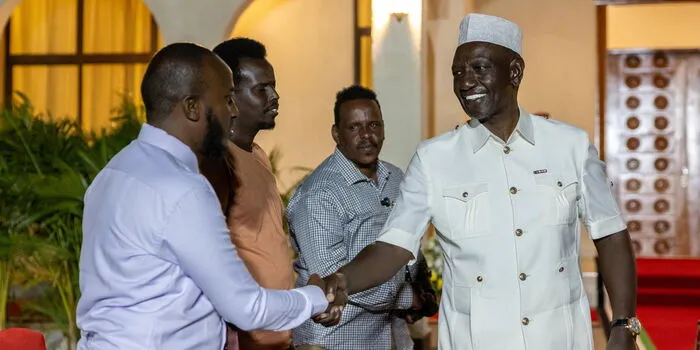
President William Ruto has publicly defended the US-backed Ebola facility in Laikipia, dismissing concerns and reiterating its role in strengthening Kenya's health readiness.
Kenya's Health Preparedness and International Partnership
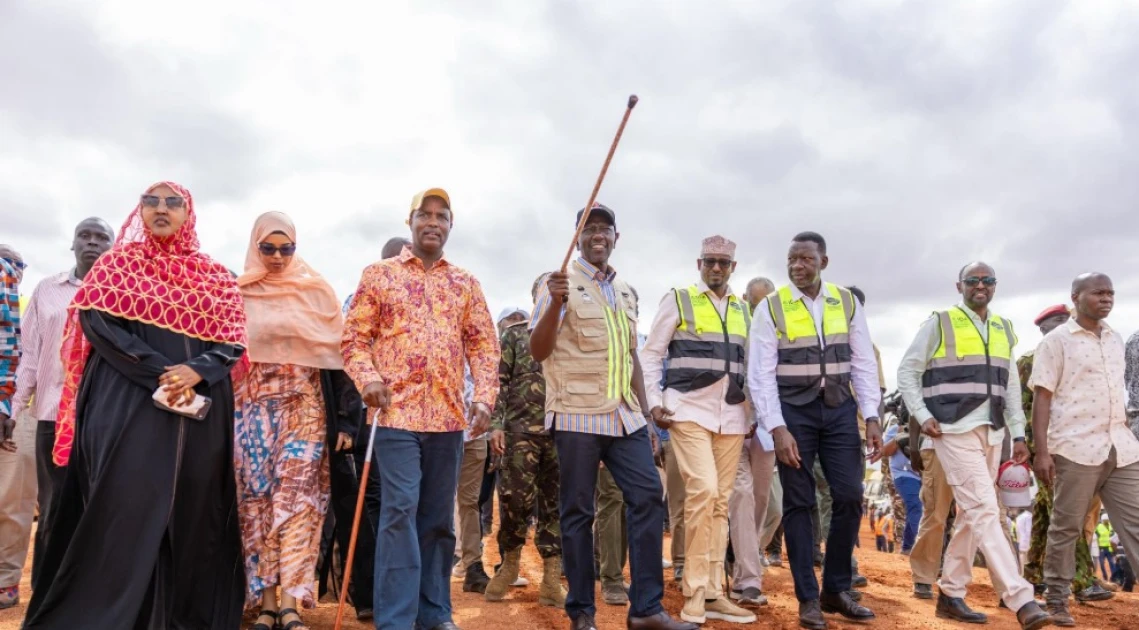
During an interview in Wajir on June 1, President Ruto confirmed his approval of the facility following a request from former President Donald Trump, framing it as part of a longstanding bilateral health partnership. He noted that supporting such initiatives is consistent with Kenya's history of collaborative health efforts, including substantial US aid in combating HIV/AIDS and other diseases.
Ruto highlighted that the Laikipia Ebola preparedness unit is one of 23 similar facilities already operational across Kenya, including centers at Kenyatta National Hospital, Moi Teaching and Referral Hospital, and others, all designed to enhance early detection and response to Ebola outbreaks.
He also reaffirmed the country's robust surveillance measures, screening about 3,000 travelers daily at border points, with no current Ebola cases detected. Kenya maintains high alertness at land and air borders, with quarantine and isolation protocols active nationwide.
Addressing critics, Ruto questioned whether the suggestion was that Kenya should not prepare for a potential Ebola outbreak, noting the country's vulnerability due to the presence of thousands of Kenyans living and working in the DRC, where Ebola remains active. He emphasized the country’s moral responsibility to provide medical care for its citizens abroad and at home.
He drew a parallel to a COVID-19 facility at the UN headquarters in Nairobi, which served international patients during the pandemic, and revealed ongoing efforts by Kenya's medical research personnel at KEMRI to find a vaccine for Ebola before it becomes uncontrollable. The broader support from the US, including the Ksh200 billion Health Co-operation Framework signed last year, underpins these health initiatives and infrastructure development.
Despite the government's stance, the project has faced local protests, notably in Nanyuki, Laikipia, where residents expressed fears of health risks and opposed foreign-led health initiatives without adequate public consultation. The protests led to a temporary court injunction, citing concerns over Kenya’s healthcare infrastructure amidst the ongoing outbreak in the DRC and Uganda. The legal challenge underscores the tension between government health policies and community concerns, emphasizing the need for transparent communication and robust local engagement.