 Victor Elvis Mugambi
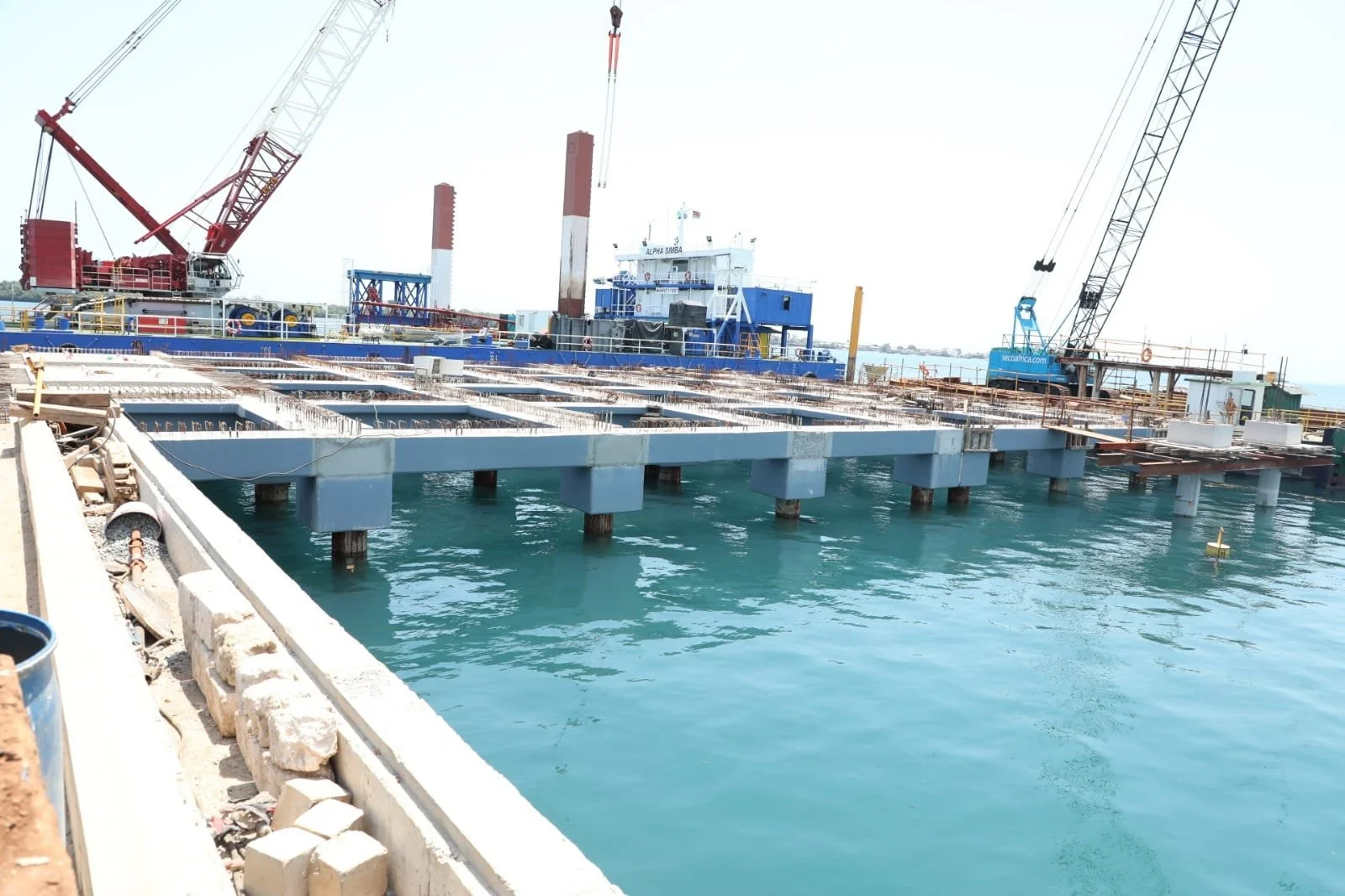
Kenya is making strategic moves to bolster its blue economy through the development of key maritime infrastructure. The recently completed Shimoni Fish Port, built at a cost of KSh 2.6 billion, stands as a significant milestone in the country's maritime sector. The Kenyan government is now actively seeking a qualified operator for this port to enhance fish landings and foster sustainable fisheries development.
Government Seeks Operator to Expand Blue Economy
This move aligns with Kenya's broader policy framework to privatize and modernize its sea ports, aiming to attract private sector investments and improve operational efficiency. The Shimoni Fish Port's strategic location and infrastructure are expected to make it a vital hub for fisheries, contributing to both local livelihoods and national economic growth.
Effective management and operationalization of the port are crucial for achieving these objectives. The government's initiative to open the port to potential operators is designed to encourage competitive bidding and ensure that the port operates at optimal capacity, targeting up to 200 tonnes of daily fish landings.
The development of Shimoni Fish Port also raises discussions about sustainable fishing practices and environmental conservation, as communities and environmental groups express concerns about the potential impact on local ecosystems. Balancing economic growth with environmental stewardship remains a key consideration for policymakers.
Overall, Kenya's efforts to develop its maritime infrastructure through strategic partnerships and privatization are positioned to significantly advance its blue economy, harnessing the sector's potential for economic diversification and improved livelihoods.