The Independent Electoral and Boundaries Commission (IEBC) has clarified its stance on photographing ballot papers, emphasizing that the restriction is key to protecting the secrecy of the vote ahead of Kenya's 2027 General Election. While voters are permitted to use their phones for other purposes at polling stations, including photographing official results forms after votes are counted and announced, they are prohibited from capturing images of ballots during voting or counting processes.
Maintaining Electoral Secrecy and Integrity
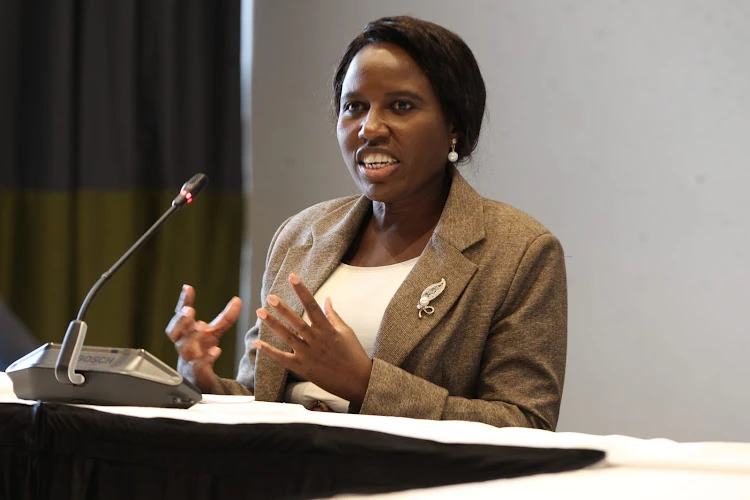
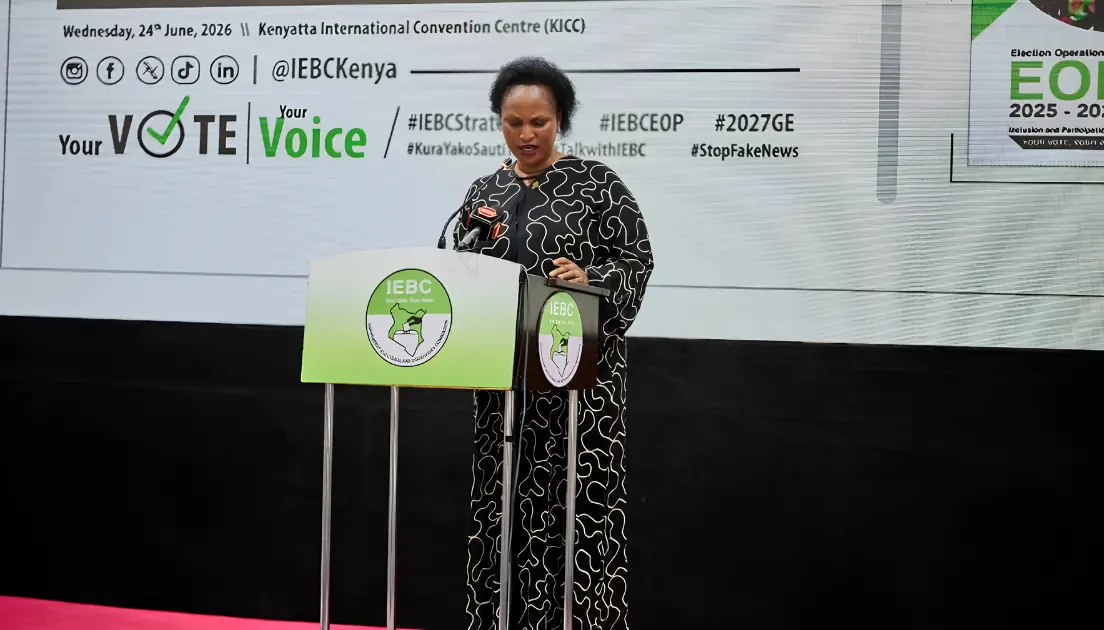
The IEBC's ban on photographing ballot papers is rooted in the constitutional requirement for a secret ballot in Kenya. Commission Commissioner Ann Nderitu stated that the restriction is necessary to uphold the integrity of the electoral process, preventing undue influence or intimidation that could arise if voting images were circulated.
Despite the restrictions, the IEBC allows voters to photograph other materials, such as official results forms, to promote transparency and record-keeping. This differentiated approach helps balance voter privacy with the need for accountability and transparency during elections.
The policy has been reinforced by warnings of fines amounting to KES 1 million or jail time for those caught violating the ban, underscoring the seriousness with which the IEBC approaches electoral security.
As Kenya prepares for upcoming elections, understanding the rationale behind the IEBC's policies is crucial for voters and observers alike. Upholding the principles of electoral secrecy helps safeguard democracy and ensures trust in the voting process.