 Victor Elvis Mugambi
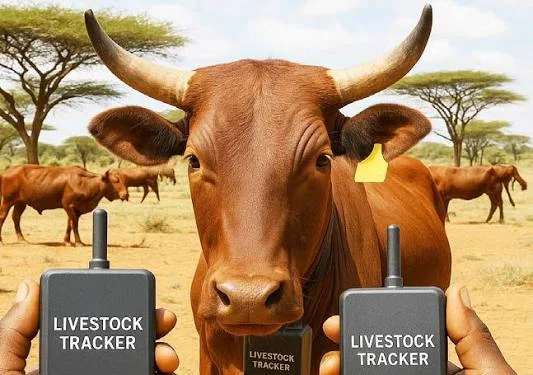
Kenya's meat industry is undergoing a significant transformation driven by innovative technological solutions and policy reforms. Central to this evolution is the adoption of digital livestock tracking systems, which aim to streamline the management and traceability of livestock. This digital shift is part of a broader vision to modernize the sector, improve quality standards, and bolster the industry's contribution to Kenya's economy.
Digital Livestock Tracking at the Heart of Kenya's Meat Industry Ambitions
Digital livestock tracking technology plays a crucial role in Kenya's ambition to develop a Sh1 trillion meat industry by improving supply chain transparency, enhancing biosecurity, and facilitating better market access for producers. This system enables real-time data collection on livestock movements, health records, and farm management practices, thereby reducing losses and improving herd management.
Stakeholders in the sector, including government agencies, feed manufacturers, and farmers, are calling for coordinated reforms to support this digital transition. These reforms aim to establish a robust regulatory framework, improve infrastructure, and promote investment in quality animal feed to ensure the sustainability of the sector's growth.
Furthermore, the government has opened large-scale feed mills and invested in new slaughterhouses to support increased meat production and meet rising domestic and international demand. The integration of digital tracking with these facilities promises to enhance operational efficiency and compliance with health standards.
Overall, the integration of digital livestock tracking systems symbolizes Kenya’s strategic move towards a more modern, transparent, and competitive meat industry, poised to unlock new economic opportunities while ensuring the well-being of farmers and consumers alike.