 Wambui Faith
Denim is perhaps the only fabric in the world that looks better the more it is worn out. Originally designed as a rugged utility cloth for manual laborers, it has transformed over 150 years into a global fashion staple that transcends class, culture, and age.
A Tale of Two Cities: The Origins
The history of denim is etched into its very name. In the late 17th century, weavers in Nîmes, France, attempted to replicate a sturdy Italian cotton corduroy known as jean (from Genoa). They failed to copy it exactly but ended up creating a unique warp-faced cotton twill they called serge de Nîmes, which eventually shortened to denim.
While the fabric was French, the iconic "Blue Jeans" we recognize today are quintessentially American. In 1873, a tailor named Jacob Davis and a fabric merchant named Levi Strauss patented the process of putting metal rivets at stress points (like pocket corners) to prevent tearing. This innovation birthed the modern waist-overall, designed specifically for miners and cowboys during the Gold Rush.
How Denim is Produced
The production of denim is a distinct process that separates it from standard cotton fabrics.
1. Cotton Preparation
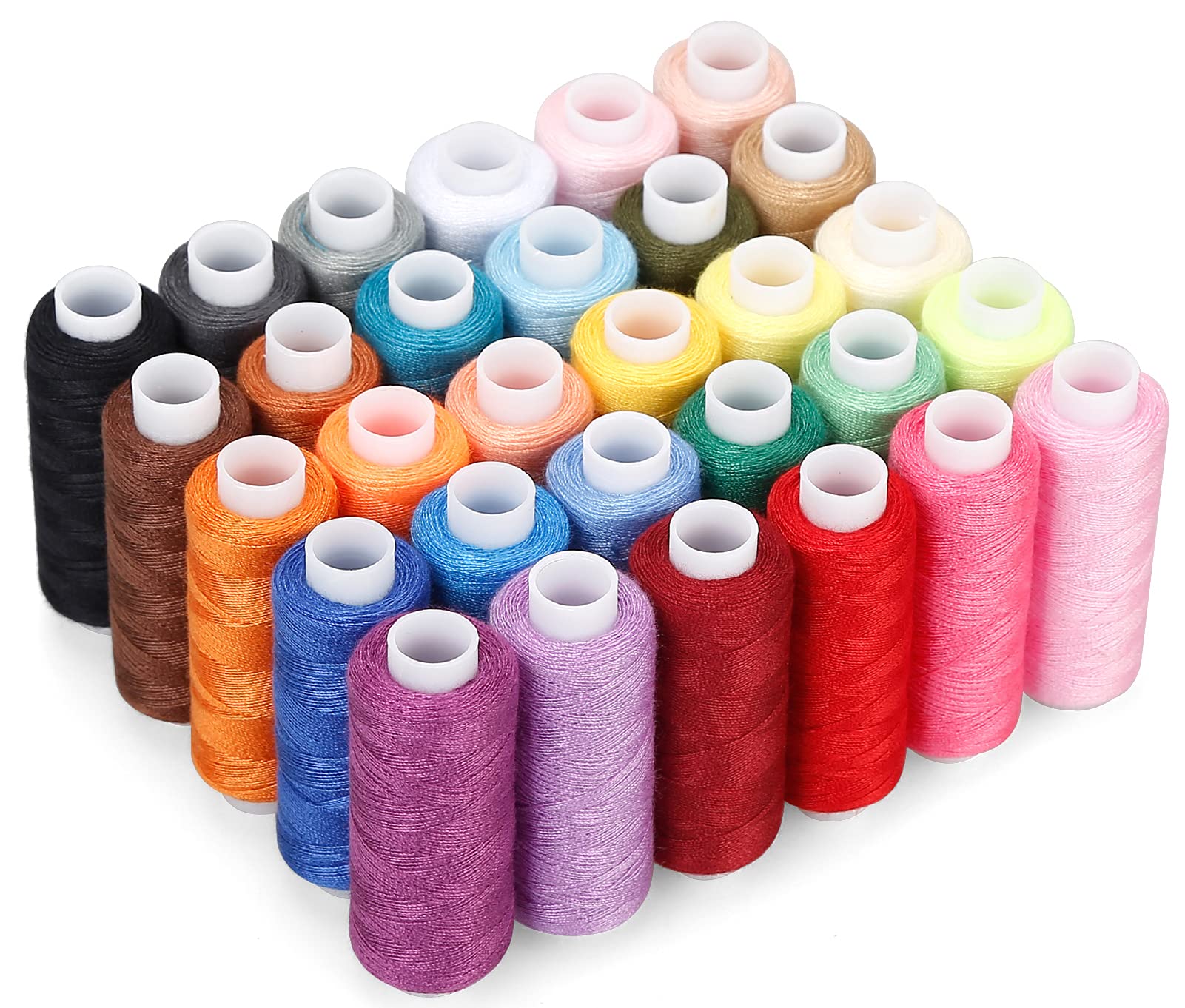
It starts with raw cotton fibers, which are cleaned, carded, and spun into yarn. Denim is a twill-weave fabric, meaning it uses two types of yarn: the warp (lengthwise) and the weft (crosswise).
2. The Indigo Dyeing
This is where the magic happens. Unlike most fabrics where the yarn is dyed all the way through, denim warp yarns are typically "rope-dyed." The yarn is dipped into indigo vats multiple times.
* The Ring-Dye Effect: Because indigo molecules are large, they don't penetrate the center of the yarn. This leaves a white core, which is why jeans fade over time as the blue surface layers rub off.
* The Weft: The weft yarn is usually left natural or white, which is why the inside of your jeans looks lighter than the outside.
3. Weaving
The blue warp and white weft are woven together. In a standard twill, the warp thread passes over two or more weft threads, creating the signature diagonal ribbing you see on the surface of the fabric.
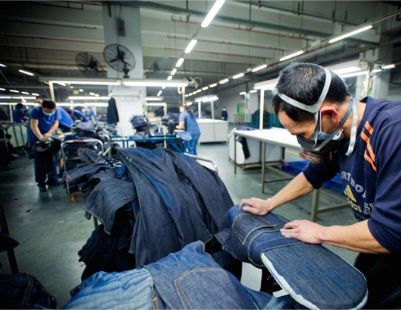
4. Finishing and Washing
Raw denim is stiff and dark. Most modern jeans undergo "laundry" processes to soften them:
* Stone Washing: Using pumice stones to abrade the fabric.
* Distressing: Using lasers or manual sanding to create "whiskers" and faded spots.
* Sanforization: A process that pre-shrinks the fabric so your jeans don't turn into shorts after the first wash.
The Modern Shift: Sustainability
The traditional production of denim is resource-intensive, historically requiring vast amounts of water and chemical dyes. Today, the industry is pivoting toward more "humanly possible" and Earth-friendly methods:
* Laser Finishing: Replacing manual sandpapering to protect worker health.
* Waterless Dyeing: Using foam or compressed CO_2 to apply color.
* Recycled Cotton: Incorporating post-consumer waste to reduce the reliance on virgin crops.
> Fun Fact: The "small pocket" inside the front right pocket of your jeans was originally designed for a pocket watch—a relic of the 19th-century worker that remains a design staple today.
From the silver screen rebels of the 1950s like James Dean to the high-fashion runways of Milan, denim remains the most versatile "canvas" in history. It is a fabric that tells a story—not just of industrial evolution, but of the person wearing it.
A Tale of Two Cities: The Origins
The history of denim is etched into its very name. In the late 17th century, weavers in Nîmes, France, attempted to replicate a sturdy Italian cotton corduroy known as jean (from Genoa). They failed to copy it exactly but ended up creating a unique warp-faced cotton twill they called serge de Nîmes, which eventually shortened to denim.
While the fabric was French, the iconic "Blue Jeans" we recognize today are quintessentially American. In 1873, a tailor named Jacob Davis and a fabric merchant named Levi Strauss patented the process of putting metal rivets at stress points (like pocket corners) to prevent tearing. This innovation birthed the modern waist-overall, designed specifically for miners and cowboys during the Gold Rush.
How Denim is Produced
The production of denim is a distinct process that separates it from standard cotton fabrics.
1. Cotton Preparation
It starts with raw cotton fibers, which are cleaned, carded, and spun into yarn. Denim is a twill-weave fabric, meaning it uses two types of yarn: the warp (lengthwise) and the weft (crosswise).
2. The Indigo Dyeing
This is where the magic happens. Unlike most fabrics where the yarn is dyed all the way through, denim warp yarns are typically "rope-dyed." The yarn is dipped into indigo vats multiple times.
* The Ring-Dye Effect: Because indigo molecules are large, they don't penetrate the center of the yarn. This leaves a white core, which is why jeans fade over time as the blue surface layers rub off.
* The Weft: The weft yarn is usually left natural or white, which is why the inside of your jeans looks lighter than the outside.
3. Weaving
The blue warp and white weft are woven together. In a standard twill, the warp thread passes over two or more weft threads, creating the signature diagonal ribbing you see on the surface of the fabric.
4. Finishing and Washing
Raw denim is stiff and dark. Most modern jeans undergo "laundry" processes to soften them:
* Stone Washing: Using pumice stones to abrade the fabric.
* Distressing: Using lasers or manual sanding to create "whiskers" and faded spots.
* Sanforization: A process that pre-shrinks the fabric so your jeans don't turn into shorts after the first wash.
The Modern Shift: Sustainability
The traditional production of denim is resource-intensive, historically requiring vast amounts of water and chemical dyes. Today, the industry is pivoting toward more "humanly possible" and Earth-friendly methods:
* Laser Finishing: Replacing manual sandpapering to protect worker health.
* Waterless Dyeing: Using foam or compressed CO_2 to apply color.
* Recycled Cotton: Incorporating post-consumer waste to reduce the reliance on virgin crops.
> Fun Fact: The "small pocket" inside the front right pocket of your jeans was originally designed for a pocket watch—a relic of the 19th-century worker that remains a design staple today.
From the silver screen rebels of the 1950s like James Dean to the high-fashion runways of Milan, denim remains the most versatile "canvas" in history. It is a fabric that tells a story—not just of industrial evolution, but of the person wearing it.