 Lilian Nyiva
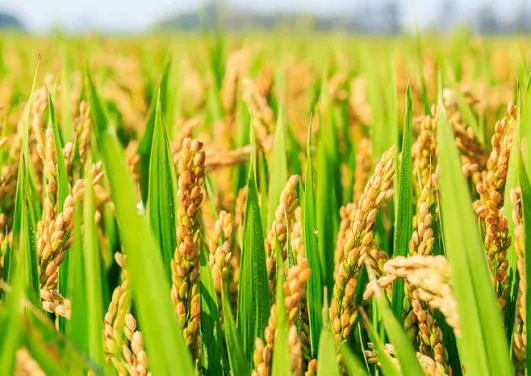
The government has announced a series of measures aimed at increasing rice production as concerns grow over potential shortages driven by rising demand, climate-related challenges, and supply chain disruptions.
The new plans are intended to strengthen domestic rice production, reduce reliance on imports, and improve the country's food security. Officials say the strategy focuses on expanding irrigation, improving access to quality seeds, supporting farmers with modern farming technologies, and investing in post-harvest infrastructure.
Focus on Expanding Local Production
According to government officials, the initiative will prioritize increasing the acreage under rice cultivation in major rice-growing regions while encouraging more farmers to adopt high-yield and climate-resilient rice varieties.
The state also plans to rehabilitate and expand irrigation schemes to ensure consistent water supply, particularly in areas vulnerable to erratic rainfall.
Support for Farmers
As part of the programme, farmers are expected to benefit from improved access to certified seeds, fertilizers, extension services, and mechanized farming equipment. Authorities say these interventions are designed to boost productivity and lower production costs.
The government has also pledged to strengthen agricultural extension services to provide farmers with technical support on modern rice farming practices.
Addressing Food Security Concerns
The announcement comes amid concerns over possible rice shortages due to increasing consumption and fluctuating global supplies. Officials maintain that enhancing local production will help stabilize supply, reduce import dependency, and cushion consumers from global market shocks.
The government noted that improving domestic production is a key component of its broader food security agenda.
Investment in Value Chains
Beyond production, the state plans to invest in rice milling, storage facilities, and transportation infrastructure to reduce post-harvest losses and improve market access for farmers.
Officials say strengthening the entire rice value chain will increase farmers' incomes while ensuring consumers have access to sufficient and affordable rice.