 Victor Elvis Mugambi
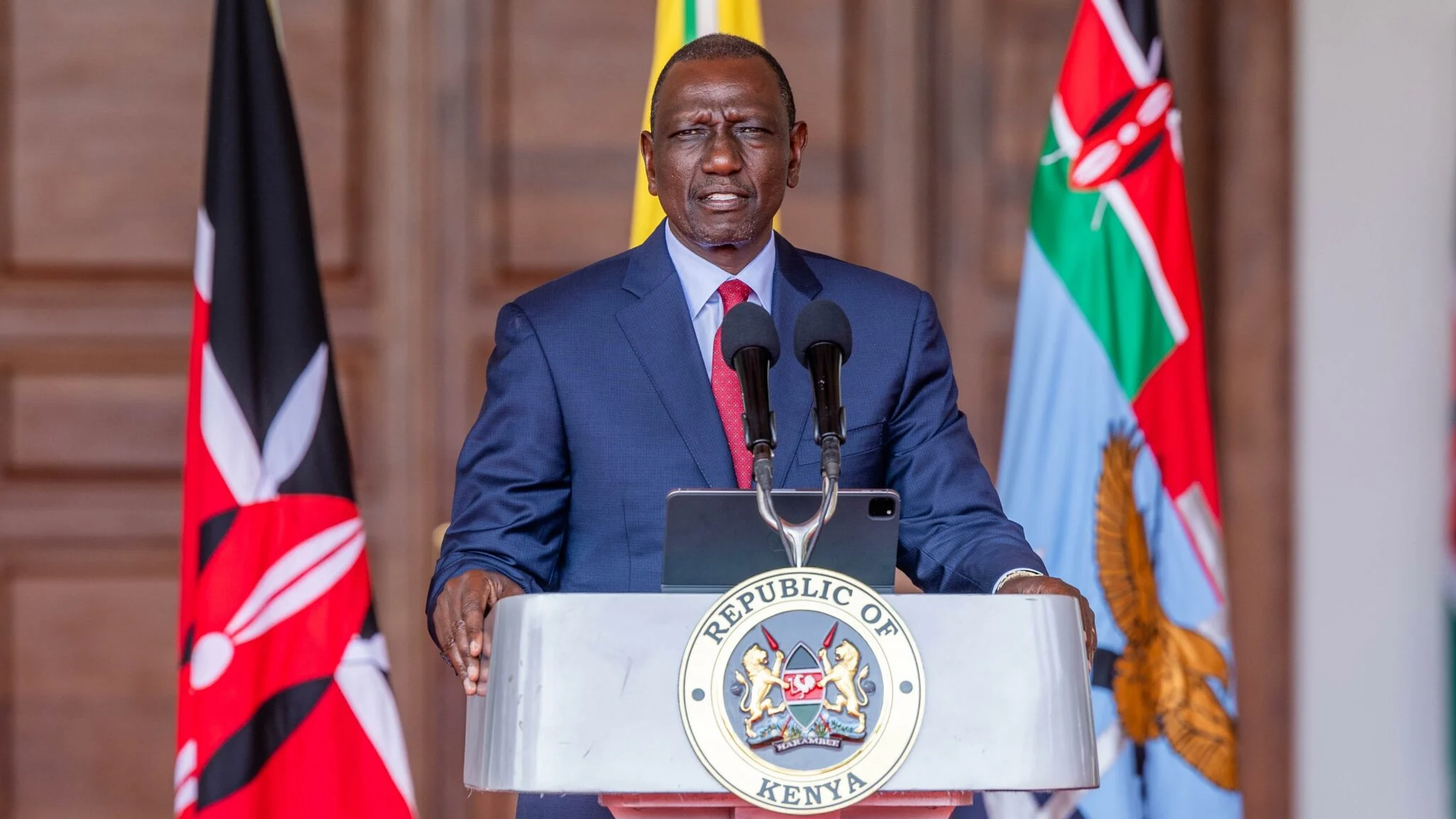
Kenyan President William Ruto has issued encrypted warnings that suggest growing tensions within the government and society as the nation approaches significant demonstrations scheduled for June 25. These confidential signals have sparked widespread speculation across political and civil sectors about the underlying issues fueling dissent and the government's response to mounting pressure.
Government Confidentiality and Tensions
The nature of Ruto's encrypted warnings points to a deliberate attempt to keep sensitive information under wraps amidst increasing unrest. Such strict confidentiality raises concerns about transparency and the management of public grievances, which are central to democratic governance. Observers worry that limited government openness may exacerbate tensions and hinder constructive dialogue between authorities and citizens.
As demonstrations loom, the government's approach to handling dissent and maintaining confidentiality will be critical. Analysts emphasize the importance of transparent communication to prevent escalation and foster trust. The current climate suggests that unresolved issues, possibly linked to policy decisions and governance challenges, are driving public discontent.
Furthermore, these developments reflect broader regional trends where governments grapple with balancing national security concerns and citizens' rights to expression. Ruto's encrypted warnings serve as a stark reminder of the delicate political landscape Kenya navigates as it prepares for what could be a pivotal moment in its governance trajectory.
In conclusion, the unfolding situation underscores the need for open, transparent governance practices and meaningful engagement with the public to address the roots of unrest. As Kenya approaches the upcoming demonstrations, the outcome will likely influence the nation's political stability and its approach to handling dissent in the future.