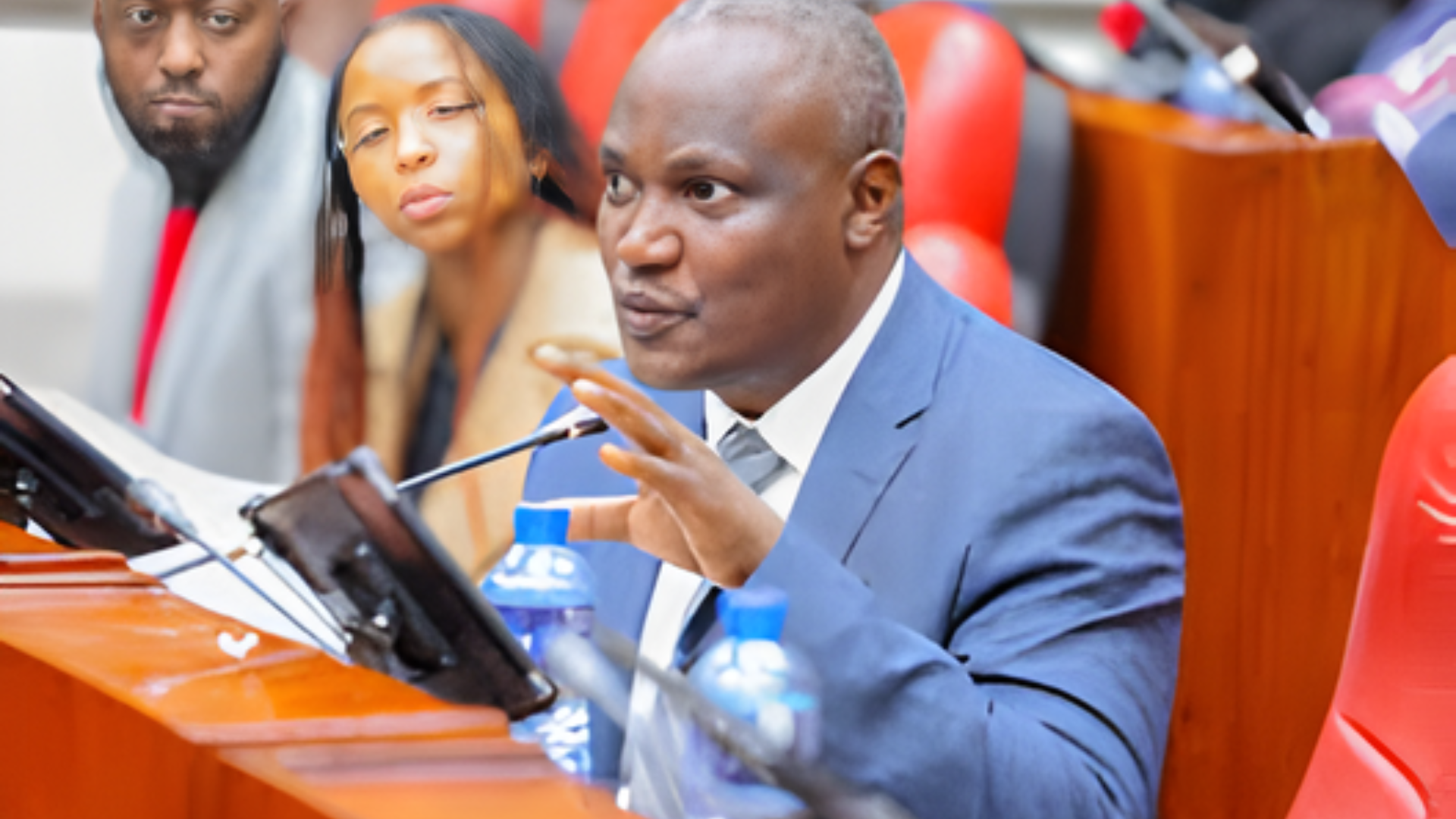
 Victor Elvis Mugambi
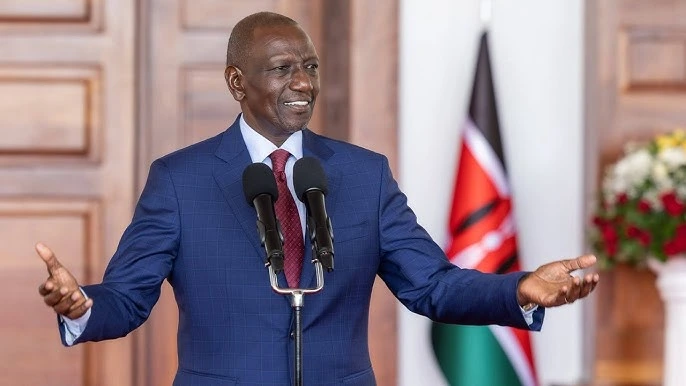
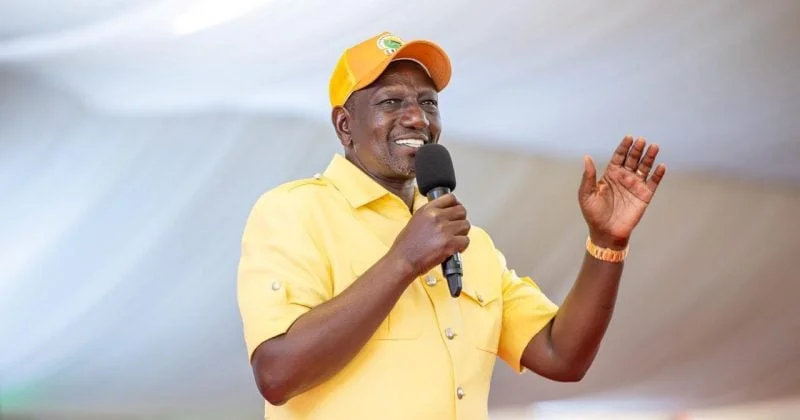
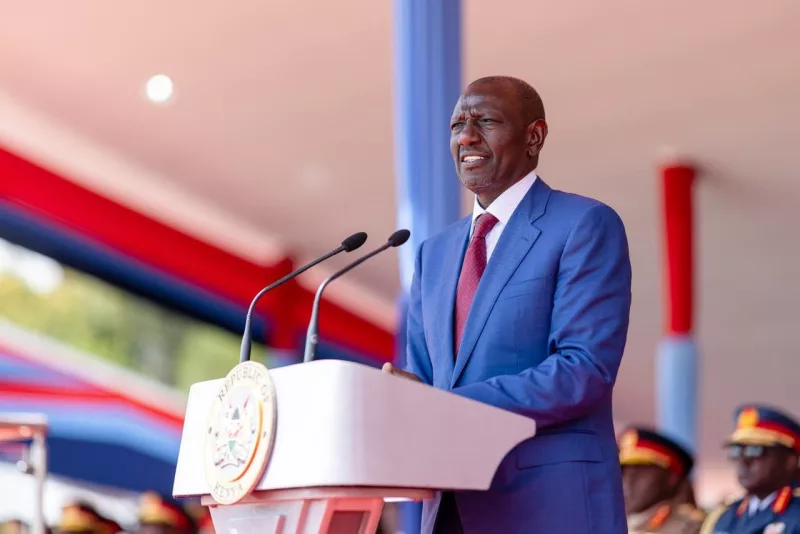
President William Ruto has publicly credited his predecessor, President Uhuru Kenyatta, for invaluable support during the development of his political manifesto. Ruto expressed gratitude towards Kenyatta, stating that he was granted a leave of absence for approximately two years, which he utilized to meticulously craft his policy blueprint. This acknowledgment underscores the importance of institutional cooperation and mentorship in political processes.
Ruto Commends Support from Uhuru Kenyatta in Policy Formulation
In a recent statement, President Ruto highlighted that the time he spent away from active duties allowed him to focus on policy development, facilitated by the support and guidance from his predecessor. Ruto’s remarks reveal a collaborative approach to governance and the influence of seasoned leaders in shaping new administrations. This alliance may signal a smooth transition and continuity in Kenya’s political landscape, emphasizing the importance of mentorship and shared vision for national development.
The support from President Kenyatta has been seen as instrumental in Ruto’s rise and in consolidating his political support base, especially within the Mount Kenya region. Analysts suggest that such backing helps in strengthening political stability and ensures a unified approach towards implementing the manifesto's goals. The emphasis on cooperation between former and current leaders reflects Kenya’s political culture of mentorship and continuity.
As President Ruto moves forward with his policy agenda, acknowledging the role of his predecessor may foster a positive political environment and reinforce the importance of collaborative leadership in governance. The manifesto, crafted during this period of support, is expected to outline key policies on economic development, energy transition, and judicial progress, aligning with the nation’s broader strategic objectives.
Overall, Ruto’s recognition of Kenyatta’s support not only highlights the personal camaraderie between the two leaders but also emphasizes a broader message about the collaborative nature of effective governance. As Kenya navigates its political and economic challenges, such alliances and acknowledgments are likely to play a pivotal role in shaping the country’s future trajectory.