 Victor Elvis Mugambi
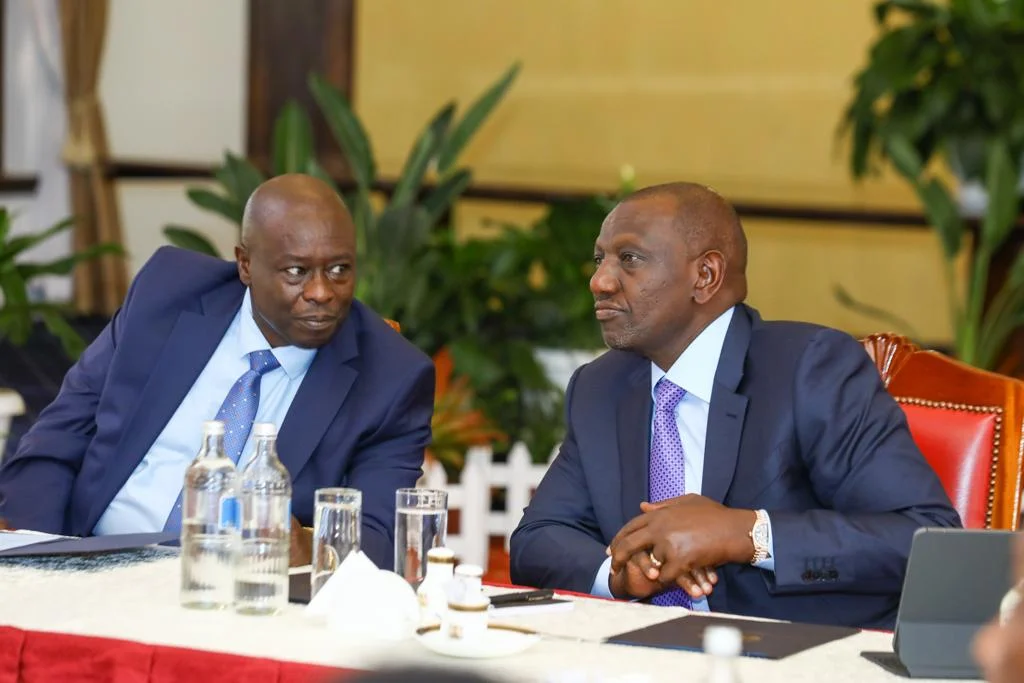
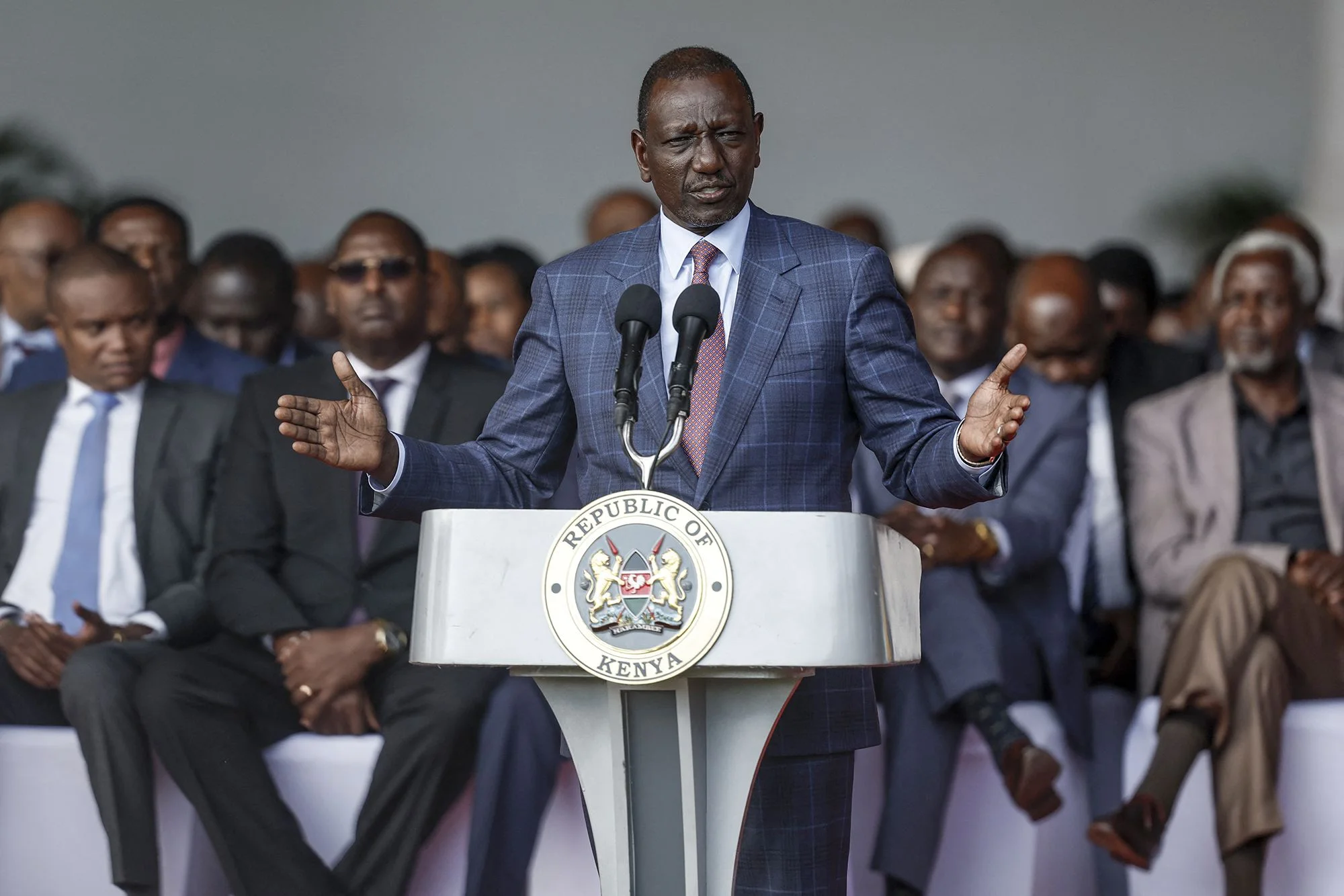
In recent political developments, Rigathi Gachagua has made bold claims about his influence over President William Ruto's administration. Such assertions have sparked debates about the true locus of power within the Kenyan government and the extent of Gachagua's political leverage.
Gachagua's Asserted Influence in the Presidency
Gachagua's statement suggests he sees himself as a key power broker behind President Ruto's decisions. This raises important questions about the dynamics of political influence and decision-making within Kenya's leadership. These claims are significant given Gachagua's role as a prominent figure in Ruto's political coalition.
The perception of Gachagua as the de facto power behind the presidency could have profound implications for governance and political stability. It may also influence public trust and the political landscape, signaling a potential shift towards a more centralized or personalized leadership style.
Analysts and political observers continue to scrutinize the authenticity and impact of Gachagua's claims, considering the historical context of power distribution within Kenyan politics. The public and political stakeholders alike are eager to understand the actual decision-making hierarchy.
Ultimately, Gachagua's bold assertions underscore the complex interplay of influence, authority, and governance in Kenya, highlighting the need for transparency and clarity in political leadership and institutional power structures.