 Victor Elvis Mugambi
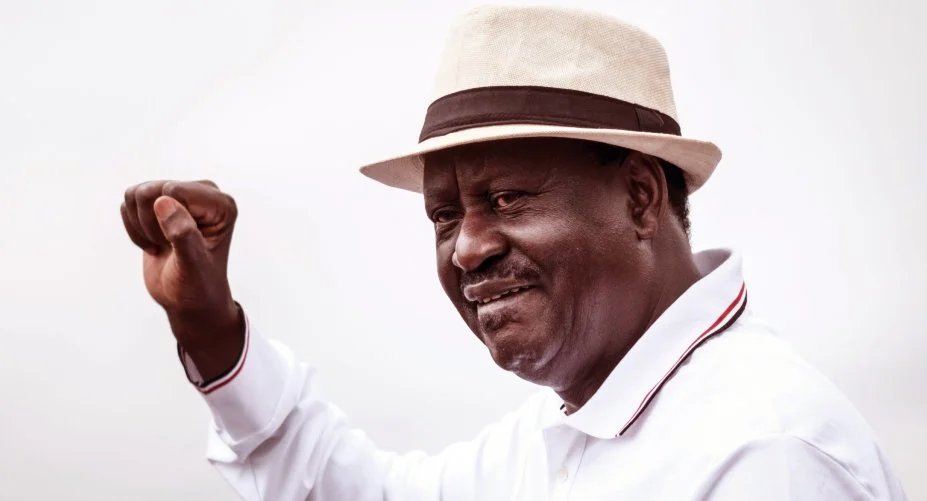
Recent claims have surfaced suggesting that an Indian doctor was involved in a plot to poison Raila Odinga, a prominent Kenyan politician. The allegation states that the doctor offered a staggering sum of $300 million to carry out the act, raising concerns about political violence and international interference in Kenya's politics.
Unpacking the Allegation and Its Context
The claim of offering $300 million to poison Raila Odinga has garnered significant media attention and raised questions about the credibility of the sources. The alleged involvement of an Indian doctor in such a high-stakes political scheme underscores the complex international dimensions that can often accompany local political conflicts. It is crucial to examine the details surrounding the claim, including the sources and the timeline, to understand its validity and implications.
The political landscape in Kenya is highly charged, with Odinga being a central figure for many years. Allegations of assassination plots or foreign interference tend to increase tensions and may impact diplomatic relations. Therefore, clarifying the origins and veracity of these allegations is essential for maintaining political stability and public trust.
While some sources have highlighted similar cases involving Indian-origin doctors and legal or ethical concerns, there is no confirmed evidence linking this particular incident to any real plot. The matter remains under investigation, and officials are urging caution in drawing conclusions before thorough reports are available.
In conclusion, the claim involving an Indian doctor offering $300 million to poison Raila Odinga is a serious allegation that warrants careful scrutiny. As investigations continue, the focus should remain on verifying facts and understanding the broader political and governance implications of such claims in Kenya's dynamic political environment.