 Victor Elvis Mugambi

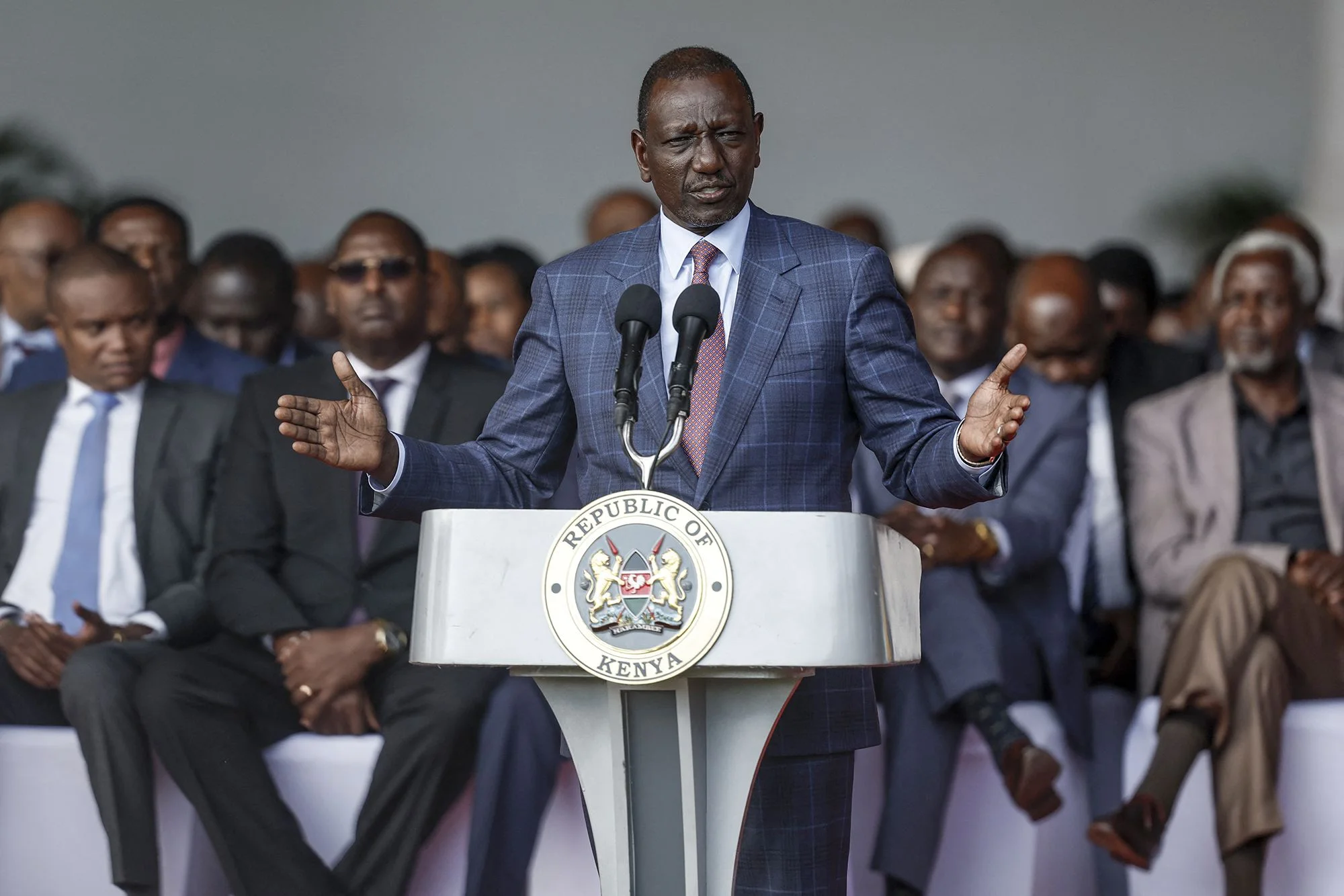
Kenya's political landscape is poised for significant change as key leaders navigate complex alliances and shifting power dynamics. Among the prominent figures influencing this trajectory is Mumbi, whose insights shed light on the potential collaboration between Gachagua and Ruto. As the country's future governance hinges on these developments, understanding their implications becomes crucial for observers and citizens alike.
Analysing Gachagua's Political Strategy and Alliance Prospects
Gachagua, a pivotal figure in Kenya’s political sphere, is potentially on the cusp of forming a strategic alliance with Ruto. Such a partnership could redefine the power balance within the ruling coalition, influence policy directions, and alter Kenya's political narrative. Mumbi emphasizes that this alliance, if it materializes, might be driven by mutual interests aimed at consolidating power and advancing specific policy agendas.
This potential alliance underscores the importance of strategic political negotiations and the evolving nature of Kenya's governance framework. As political alliances become more fluid, the role of key decision-makers like Gachagua and Ruto will be central to shaping the country's future policies and national stability.
The implications of such an alliance extend beyond immediate political gains, affecting public policy, economic strategies, and social cohesion. Public response will likely be mixed, with supporters optimistic about stability and development, while opponents may express concerns over increased political polarization.
Public and Institutional Reactions to Political Realignments
Responses to Gachagua and Ruto’s possible alliance are varied among different stakeholders. The judiciary, as indicated by recent court inquiries into the political futures of figures like Gachagua, remains a key institutional player, potentially influencing the legality and legitimacy of emerging alliances. Politicians such as Ndindi Nyoro and Fred Matiang’i continue to voice their perspectives on youth inclusion and governance reforms, which are integral to Kenya’s political evolution.
As Kenya navigates this uncertain political future, the role of public opinion and civil society cannot be overstated. Citizens are increasingly aware of the importance of their electoral rights and the impact of political alliances on national development, emphasizing the need for transparent and inclusive political processes.