 Victor Elvis Mugambi
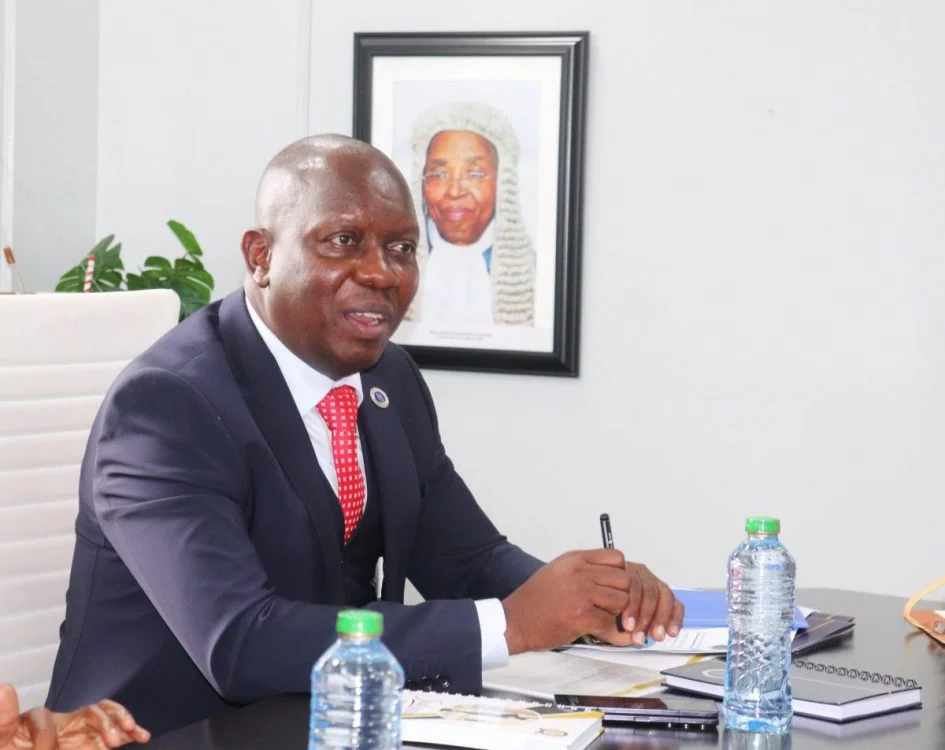
In a significant development in the case of Albert Ojwang's death, the Director of Public Prosecutions (DPP), Ingonga, has testified in court that Ojwang was deliberately assaulted and killed while in police custody. This statement dismisses previous claims suggesting that Ojwang's death resulted from an accident or a medical emergency. The court proceedings have brought to light serious concerns regarding police conduct and the treatment of detainees in custody.
The Court's Revelation on Ojwang’s Death
According to DPP Ingonga, evidence shows that Albert Ojwang was subjected to intentional harm by police officers, leading to his death. This assertion points to potential misconduct or abuse within the police force, prompting calls for accountability and systemic reforms. The court's focus now centers on investigating the circumstances surrounding Ojwang’s final moments and ensuring justice is served.
Witnesses and forensic reports have indicated signs of deliberate violence in Ojwang's body, contradicting earlier reports that considered medical emergencies as the cause of death. The revelations have sparked public outrage and renewed demands for police reforms and greater oversight of law enforcement agencies.
In light of these claims, authorities have faced increased scrutiny, with some demanding the arrest and prosecution of officers involved. The case underscores the importance of accountability within police institutions and the need for ongoing reforms to prevent similar incidents in the future.
As the court continues to examine the evidence, the case of Albert Ojwang has become a rallying point for broader discussions on police integrity, human rights, and justice. The findings will be pivotal in shaping future policies and ensuring such tragic incidents are not repeated.