 Faith Masita
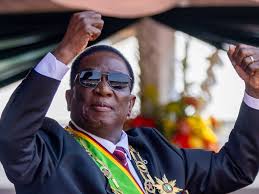
Zimbabwe’s Cabinet , has approved a draft constitutional amendment that will extend the presidential term from five to seven years, allowing President Emmerson Mnangagwa to remain in office until 2030.
The proposed bill also seeks to change how future presidents are elected replacing direct popular elections with selection by parliamentary vote and will increase the number of senators the president can appoint.
Justice Minister Ziyambi Ziyambi said the bill will be published in the government gazette and tabled before Parliament after public consultations, where the ruling ZANU-PF party’s commanding majority makes legislative approval likely.
Opposition figures have condemned the move as undermining constitutional democracy, arguing that any amendment affecting presidential tenure should be subject to a national referendum a process they say the government will try to avoid.
WHY THIS MATTERS
If adopted by Parliament and enacted into law, the change would alter the core structure of Zimbabwe’s political system by both extending the duration of presidential terms and reducing the role of direct citizen voting in choosing the head of state.
PRESIDENTIAL TERMS IN ZIMBABWE
Zimbabwe gained independence from British colonial rule in 1980, with Robert Mugabe as its first leader. Mugabe, who initially served as prime minister, became president in 1987 and remained in power for three decades until a military intervention removed him in 2017. In 2013, Zimbabwe adopted a new constitution that set presidential terms at five years and introduced a limit of two terms for any individual president. Under that framework, President Mnangagwa first elected in 2018 and re-elected in 2023 , was expected to step down in 2028 after serving two five-year terms.
The current move by the Cabinet follows political discussions within the ruling ZANU-PF party about a “2030 agenda” to extend Mnangagwa’s tenure, reflecting a broader strategy to secure continuity and political stability, according to government statements. Critics argue the changes mirror trends in other countries where constitutional reforms have been used to prolong incumbents’ rule.
POLITICAL CONTEXT AND OPPOSITION RESPONSE
Opposition leaders and civil society groups have pledged to “defend the constitution” against what they describe as efforts to capture and subvert democratic structures. Zimbabwe has seen crackdowns on protests in recent months, raising concerns about civil liberties as constitutional debates intensify.
The proposed bill also seeks to change how future presidents are elected replacing direct popular elections with selection by parliamentary vote and will increase the number of senators the president can appoint.
Justice Minister Ziyambi Ziyambi said the bill will be published in the government gazette and tabled before Parliament after public consultations, where the ruling ZANU-PF party’s commanding majority makes legislative approval likely.
Opposition figures have condemned the move as undermining constitutional democracy, arguing that any amendment affecting presidential tenure should be subject to a national referendum a process they say the government will try to avoid.
WHY THIS MATTERS
If adopted by Parliament and enacted into law, the change would alter the core structure of Zimbabwe’s political system by both extending the duration of presidential terms and reducing the role of direct citizen voting in choosing the head of state.
PRESIDENTIAL TERMS IN ZIMBABWE
Zimbabwe gained independence from British colonial rule in 1980, with Robert Mugabe as its first leader. Mugabe, who initially served as prime minister, became president in 1987 and remained in power for three decades until a military intervention removed him in 2017. In 2013, Zimbabwe adopted a new constitution that set presidential terms at five years and introduced a limit of two terms for any individual president. Under that framework, President Mnangagwa first elected in 2018 and re-elected in 2023 , was expected to step down in 2028 after serving two five-year terms.
The current move by the Cabinet follows political discussions within the ruling ZANU-PF party about a “2030 agenda” to extend Mnangagwa’s tenure, reflecting a broader strategy to secure continuity and political stability, according to government statements. Critics argue the changes mirror trends in other countries where constitutional reforms have been used to prolong incumbents’ rule.
POLITICAL CONTEXT AND OPPOSITION RESPONSE
Opposition leaders and civil society groups have pledged to “defend the constitution” against what they describe as efforts to capture and subvert democratic structures. Zimbabwe has seen crackdowns on protests in recent months, raising concerns about civil liberties as constitutional debates intensify.