 Faith Masita
Safaricom has gone on the offensive in a high-stakes legal battle after former news anchor Peter Oyier slapped the telecom giant with a Sh69 million lawsuit, accusing it of misusing his voice recordings in its customer service systems. But instead of quietly defending the claim, Safaricom has asked the court to throw the entire case out and the reasons it gave are now sparking intense legal scrutiny.
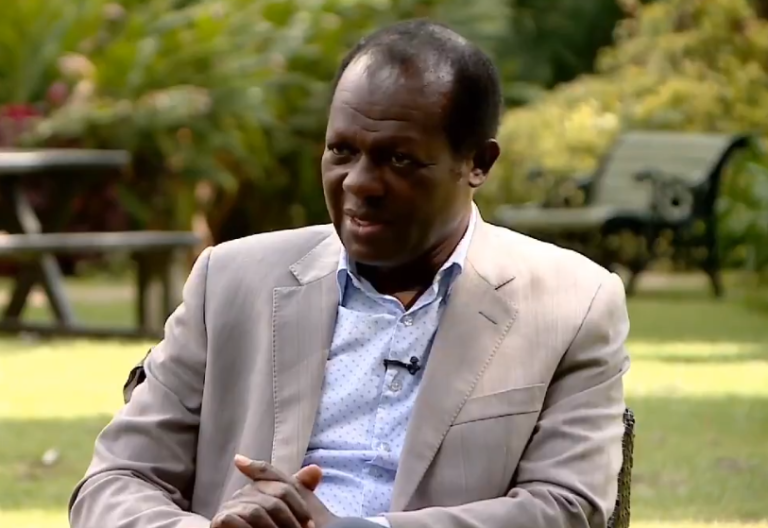
Oyier, a well-known TV and radio presenter, says Safaricom used his recorded voice without permission or fresh payment in its interactive customer call menus long after the original contracts had expired. He argues that this ongoing use has hurt his earning potential and professional reputation.
He filed the suit in the High Court’s Commercial Division, seeking Sh69 million (about £430,000) in damages. His claim centres on the idea that Safaricom kept using his voice “beyond the agreed licence period”, refusing to renegotiate or compensate him fairly.
Why Safaricom Wants the Case Dismissed
Safaricom’s lawyers have pushed back hard, telling the court the case has no legal merit and should be thrown out before it goes any further. The main points in their defence are;
No Direct Contract Between the Parties
Safaricom argues that there was no direct agreement between it and Oyier the contracts he points to were between him and a third-party agency that created the voice recordings, not Safaricom itself. That means, the telco says, Oyier hasn’t shown the court a valid legal link tying the company to his claims.
Disputing the Basis of the Claims
The company also denies that it violated any copyright or intellectual property rights, suggesting the legal basis of Oyier’s complaint is flawed or unsupported by clear evidence.
Put together, Safaricom says there’s nothing substantial for the court to rule on, and that the entire case should be dismissed outright a common tactic when a defendant believes a claim doesn’t even deserve full judicial consideration.
What Happens Next
The case hasn’t yet been decided. If the High Court agrees with Safaricom and throws out the suit, Oyier could be left without a remedy and the precedent could make it harder for other creatives to challenge big corporations for similar disputes.
But if the court lets the case proceed, lawyers for both sides will enter a full battle over evidence, contracts and possibly how big companies use the work of individual talents.
This isn’t just another commercial fight it highlights a broader issue in Kenya’s creative and tech economy: who owns digital work once it’s out there, and how should royalties be handled when companies profit from that work? With Safaricom dominating telecommunications in Kenya, the case could have ripple effects for voice artists, content creators and big corporations alike.
Oyier, a well-known TV and radio presenter, says Safaricom used his recorded voice without permission or fresh payment in its interactive customer call menus long after the original contracts had expired. He argues that this ongoing use has hurt his earning potential and professional reputation.
He filed the suit in the High Court’s Commercial Division, seeking Sh69 million (about £430,000) in damages. His claim centres on the idea that Safaricom kept using his voice “beyond the agreed licence period”, refusing to renegotiate or compensate him fairly.
Why Safaricom Wants the Case Dismissed
Safaricom’s lawyers have pushed back hard, telling the court the case has no legal merit and should be thrown out before it goes any further. The main points in their defence are;
No Direct Contract Between the Parties
Safaricom argues that there was no direct agreement between it and Oyier the contracts he points to were between him and a third-party agency that created the voice recordings, not Safaricom itself. That means, the telco says, Oyier hasn’t shown the court a valid legal link tying the company to his claims.
Disputing the Basis of the Claims
The company also denies that it violated any copyright or intellectual property rights, suggesting the legal basis of Oyier’s complaint is flawed or unsupported by clear evidence.
Put together, Safaricom says there’s nothing substantial for the court to rule on, and that the entire case should be dismissed outright a common tactic when a defendant believes a claim doesn’t even deserve full judicial consideration.
What Happens Next
The case hasn’t yet been decided. If the High Court agrees with Safaricom and throws out the suit, Oyier could be left without a remedy and the precedent could make it harder for other creatives to challenge big corporations for similar disputes.
But if the court lets the case proceed, lawyers for both sides will enter a full battle over evidence, contracts and possibly how big companies use the work of individual talents.
This isn’t just another commercial fight it highlights a broader issue in Kenya’s creative and tech economy: who owns digital work once it’s out there, and how should royalties be handled when companies profit from that work? With Safaricom dominating telecommunications in Kenya, the case could have ripple effects for voice artists, content creators and big corporations alike.