 Wambui Faith
In a world that often prizes conformity, the concept of neurodivergence reminds us that our brains and minds do not all operate the same way—and that’s a strength, not a flaw. Neurodivergence refers to the natural variations in human brain function, encompassing differences in learning, attention, sensory perception, social interaction, and cognition. Rather than labeling these differences as “disorders,” the neurodiversity perspective encourages society to recognize and celebrate a spectrum of mental functioning.
What Does Neurodivergence Include?
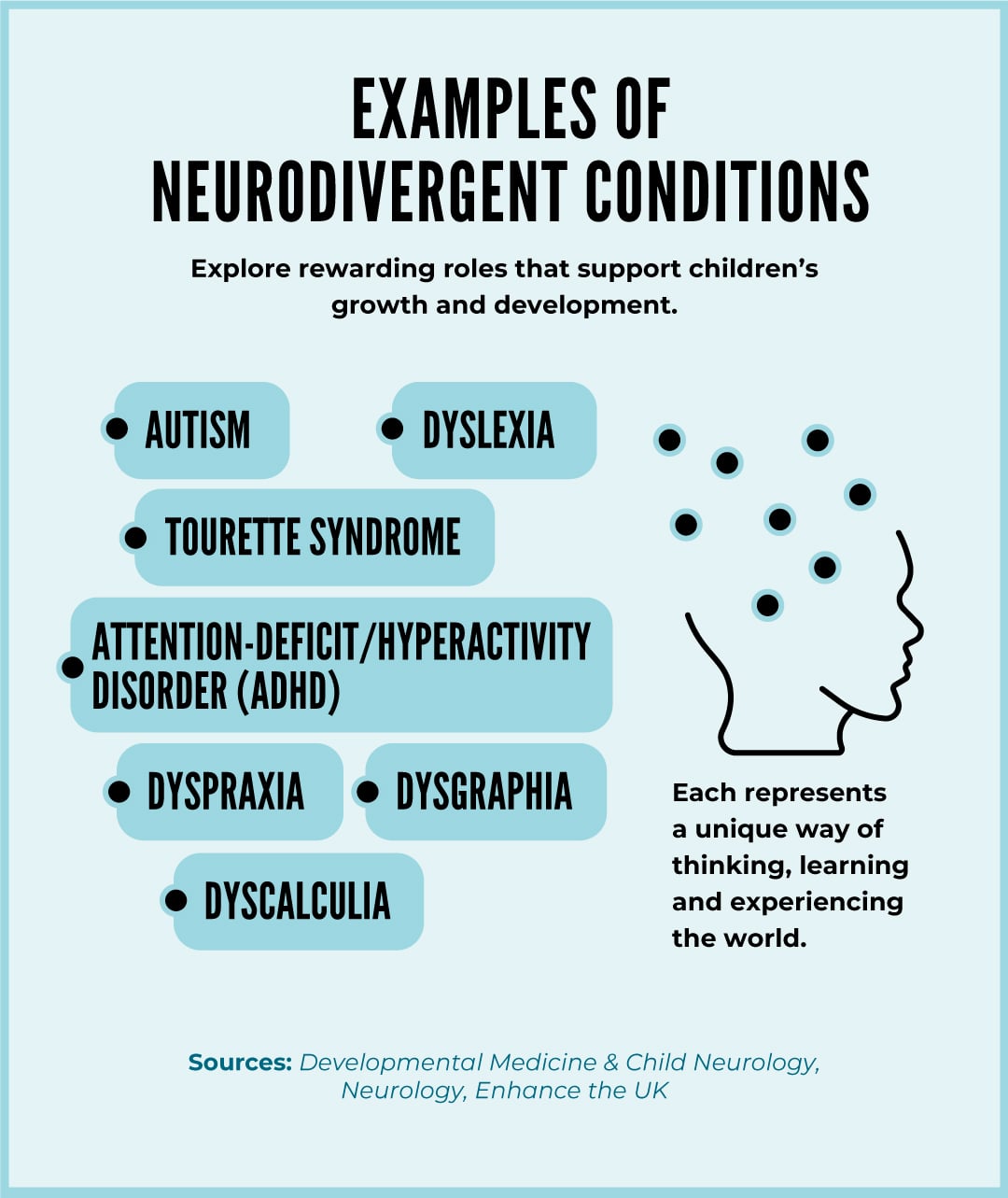
Neurodivergence is an umbrella term that can describe conditions such as:
Autism Spectrum Disorder (ASD): Characterized by unique patterns of communication, social interaction, and sensory perception.
Attention-Deficit/Hyperactivity Disorder (ADHD): Involves differences in focus, impulse control, and activity levels.
Dyslexia and Other Learning Differences: Affect reading, writing, or processing information differently.
Dyspraxia: Influences motor coordination and planning.
Tourette Syndrome and OCD: Involve variations in behavior, thought patterns, or impulses.
It is important to note that neurodivergent individuals may experience multiple traits simultaneously, and no two brains are exactly alike.
Challenging the Stigma
Historically, neurodivergent individuals were often misunderstood, marginalized, or forced to fit into societal “norms.” The neurodiversity movement challenges the misconception that these differences are deficits. Instead, it promotes the idea that neurodivergence is a natural variation in the human population, similar to diversity in race, culture, or ability.
When society moves from a deficit-based view to an inclusion-based approach, the benefits are profound: workplaces, schools, and communities become richer, more creative, and more empathetic. Many neurodivergent individuals bring remarkable talents, including innovative thinking, problem-solving, intense focus, and creativity.
Supporting Neurodivergent Individuals
Creating inclusive spaces requires awareness, understanding, and intentional support:
Education: Implement flexible learning strategies that cater to diverse learning styles.
Workplace Adaptations: Offer flexible schedules, sensory-friendly environments, and clear communication channels.
Social Inclusion: Foster empathy and patience, encouraging acceptance rather than judgment.
Mental Health Support: Provide resources tailored to the unique challenges and strengths of neurodivergent individuals.
Embracing the Strength in Differences
Understanding neurodivergence is more than just knowledge—it’s an act of empathy. By recognizing that there are multiple ways to think, learn, and interact, society can shift toward valuing diverse minds. Neurodivergent individuals are not “broken”; they offer perspectives and abilities that enrich communities, drive innovation, and challenge conventional thinking.
In essence, embracing neurodivergence is about more than acceptance—it’s about celebrating the full spectrum of human potential. Each mind, with its unique wiring, contributes to the vibrancy and creativity of our shared world.
What Does Neurodivergence Include?
Neurodivergence is an umbrella term that can describe conditions such as:
Autism Spectrum Disorder (ASD): Characterized by unique patterns of communication, social interaction, and sensory perception.
Attention-Deficit/Hyperactivity Disorder (ADHD): Involves differences in focus, impulse control, and activity levels.
Dyslexia and Other Learning Differences: Affect reading, writing, or processing information differently.
Dyspraxia: Influences motor coordination and planning.
Tourette Syndrome and OCD: Involve variations in behavior, thought patterns, or impulses.
It is important to note that neurodivergent individuals may experience multiple traits simultaneously, and no two brains are exactly alike.
Challenging the Stigma
Historically, neurodivergent individuals were often misunderstood, marginalized, or forced to fit into societal “norms.” The neurodiversity movement challenges the misconception that these differences are deficits. Instead, it promotes the idea that neurodivergence is a natural variation in the human population, similar to diversity in race, culture, or ability.
When society moves from a deficit-based view to an inclusion-based approach, the benefits are profound: workplaces, schools, and communities become richer, more creative, and more empathetic. Many neurodivergent individuals bring remarkable talents, including innovative thinking, problem-solving, intense focus, and creativity.
Supporting Neurodivergent Individuals
Creating inclusive spaces requires awareness, understanding, and intentional support:
Education: Implement flexible learning strategies that cater to diverse learning styles.
Workplace Adaptations: Offer flexible schedules, sensory-friendly environments, and clear communication channels.
Social Inclusion: Foster empathy and patience, encouraging acceptance rather than judgment.
Mental Health Support: Provide resources tailored to the unique challenges and strengths of neurodivergent individuals.
Embracing the Strength in Differences
Understanding neurodivergence is more than just knowledge—it’s an act of empathy. By recognizing that there are multiple ways to think, learn, and interact, society can shift toward valuing diverse minds. Neurodivergent individuals are not “broken”; they offer perspectives and abilities that enrich communities, drive innovation, and challenge conventional thinking.
In essence, embracing neurodivergence is about more than acceptance—it’s about celebrating the full spectrum of human potential. Each mind, with its unique wiring, contributes to the vibrancy and creativity of our shared world.