 Diana Muthini
Muhoozi Kainerugaba Sparks Controversy Over ‘Nyashless’ Women Remarks
By Diana Ndulu
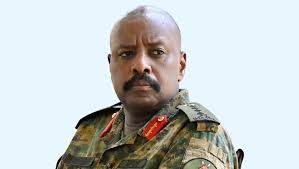
Kampala, Uganda — Uganda’s military chief, General Muhoozi Kainerugaba, has ignited a heated national debate after making controversial remarks suggesting that Ugandan men who marry women he described as “nyashless” should be fined. The comments, made via social media on Thursday, February 19, 2026, have drawn widespread criticism from women’s groups, social commentators, and ordinary citizens across the country.
In his statement, General Muhoozi — also the son of President Yoweri Museveni — proposed compiling a list of women deemed “nyashless” and suggested that any man who marries such a woman should pay a fine to the Uganda Revenue Authority (URA). He did not clarify how this system would be implemented or how fines would be enforced, leaving many Ugandans baffled and outraged.
The term “nyashless” is Ugandan slang referring to women perceived as lacking prominent buttocks. While often used informally in casual conversation, Muhoozi’s comments have been condemned for being sexist and demeaning. Critics argue that such remarks reduce women’s value to physical attributes rather than character, education, or accomplishments.
Immediate Backlash
The statement prompted a storm of reactions online. Many Ugandans expressed shock that a senior military leader would make such remarks publicly. Women’s rights activists condemned the comments, emphasizing that body shaming perpetuates harmful stereotypes and undermines the dignity of women.
“This is deeply concerning,” said a Kampala-based activist. “A leader of Muhoozi’s stature should focus on national security and development, not insulting women based on their bodies. Marriage should be about respect and partnership, not superficial appearances.”
Legal experts also warned that any attempt to formalize fines or official registries based on physical appearance would likely violate Uganda’s constitution, which guarantees equality before the law and prohibits discrimination based on gender or physical attributes.
A Pattern of Provocative Statements
This is not the first time General Muhoozi has attracted controversy for comments made online. In recent weeks, he suggested that women wearing red dresses on Valentine’s Day could one day be arrested as “suspected communists,” a claim widely mocked by the public. He has also previously made provocative remarks about female soldiers’ attire and other social issues, prompting criticism from both Ugandans and international observers.
Political analysts note that Muhoozi’s social media statements often generate widespread attention and controversy, reflecting his growing influence in Ugandan politics. However, critics argue that such comments are distracting from pressing national issues, including economic challenges, youth unemployment, and democratic reforms.
Cultural and Social Implications
The controversy has reignited discussions about beauty standards, body image, and gender expectations in Uganda. While some defend Muhoozi’s comments as reflecting traditional cultural preferences, many argue that they perpetuate harmful stereotypes and normalize body shaming.
Women’s rights organisations have called for national leaders to reaffirm their commitment to equality and dignity for all citizens, regardless of physical appearance. The debate has also sparked broader conversations about the role of social media in shaping public opinion and the responsibilities of influential figures when speaking to the nation.
Looking Ahead
As of now, there has been no official response from the Ugandan government or the Uganda People’s Defence Forces (UPDF) regarding Muhoozi’s remarks. Observers are watching closely to see if the military chief or the presidency will issue clarification or an apology.
The incident adds to an ongoing discourse in Uganda about leadership responsibility, social norms, and the treatment of women in society. For now, the conversation continues to unfold online and in public spaces, highlighting the deep divisions and sensitivities surrounding gender, culture, and authority in the country.