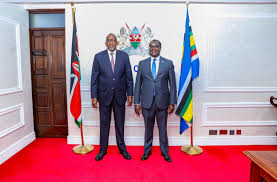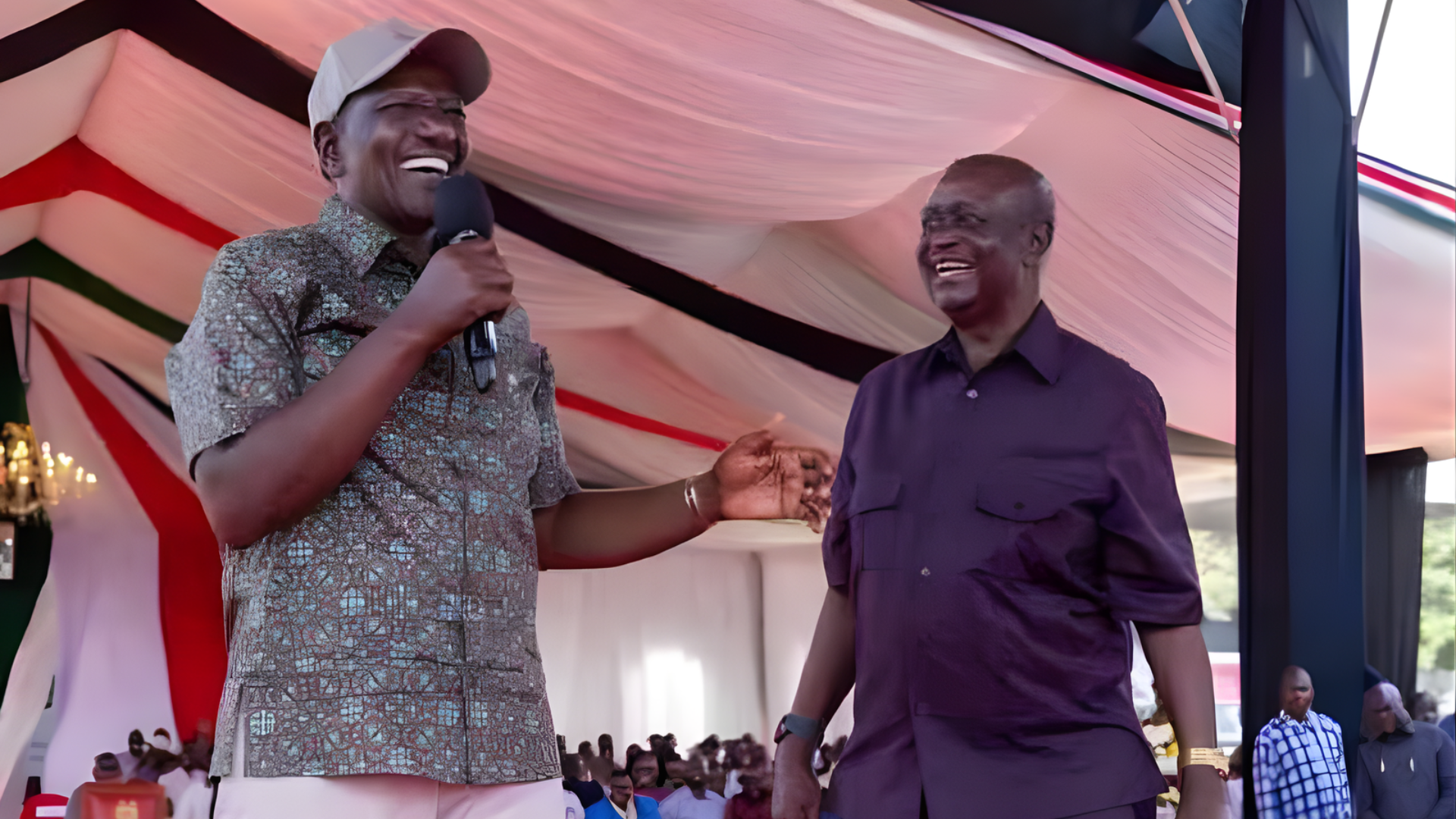
United Democratic Alliance will not field candidates in the Nyanza region during the 2027 general election following an alleged zoning agreement between President William Ruto and ODM leader Oburu Oginga.
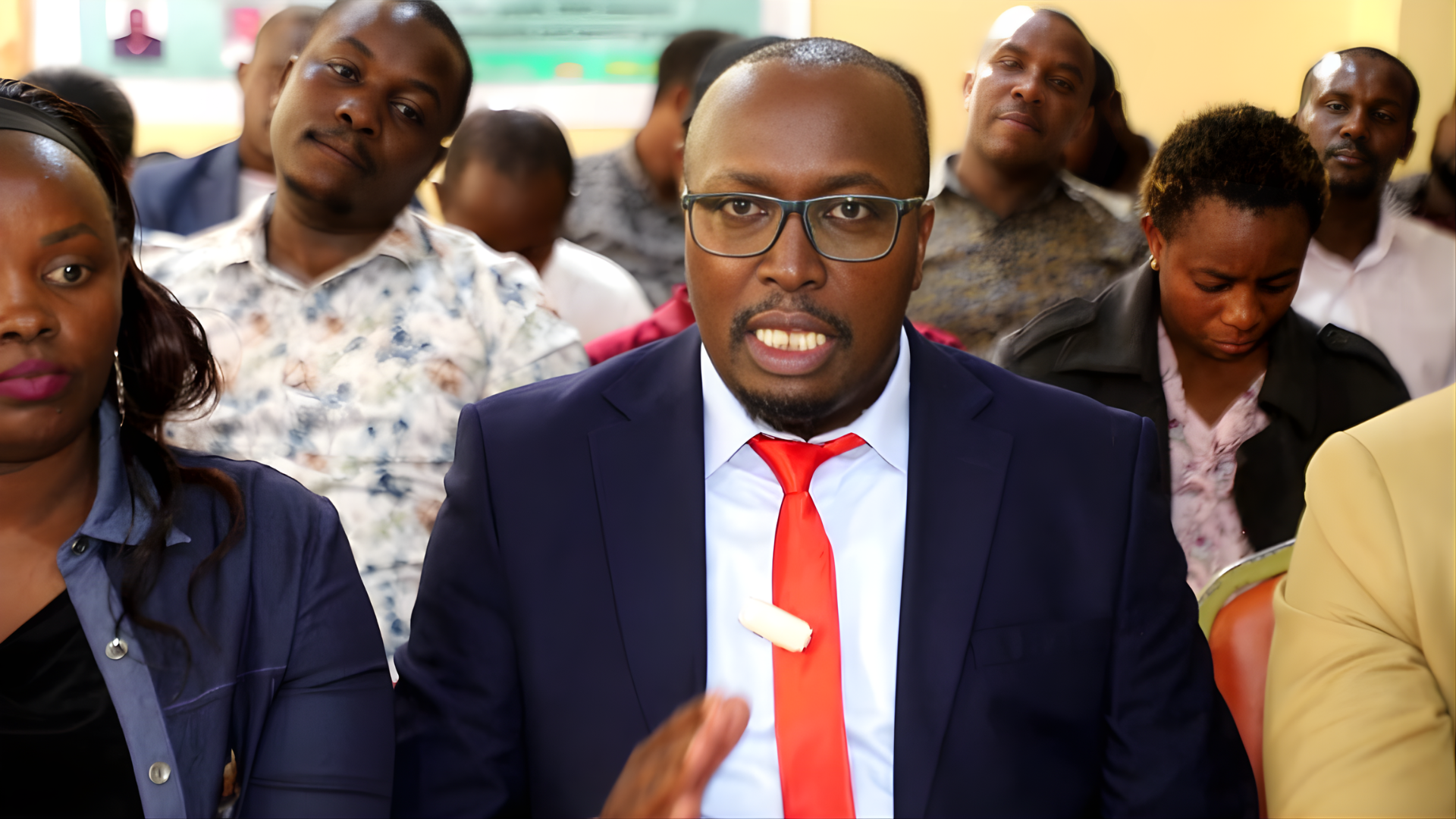
The arrangement, which effectively cedes Nyanza to ODM in exchange for unspecified concessions elsewhere, was reportedly disclosed by Oburu during a closed-door meeting of Luo Nyanza politicians held on Saturday at Alego Usonga MP Sam Atandi's home in Siaya County.
Sources who attended the meeting said Oburu briefed the gathering of MPs, governors, senators and grassroots leaders that the understanding with Ruto aims to avoid direct confrontation in ODM's core stronghold while allowing UDA to concentrate resources in its strongholds. “Oburu made it clear that UDA will not present candidates in Nyanza to respect the zoning deal,” one participant said. “He said this is part of building a broader working relationship that benefits the region and the country.”
The meeting also discussed plans to reintegrate former ODM members who defected to support Ruto after the March 2025 Memorandum of Understanding between the two parties. Oburu reportedly urged unity and forgiveness, saying the returnees would be welcomed back without victimisation to strengthen ODM's position ahead of nominations and the general election. “We cannot afford division when the nation needs a strong opposition voice,” Oburu is said to have told the group. “Those who left will be reintegrated so we face 2027 as one united front.”
The zoning deal, if confirmed, would mark a significant shift in Kenya's political landscape, effectively creating regional spheres of influence between the two major coalitions. Nyanza has remained ODM's bedrock since the party's formation, delivering massive vote margins for Raila Odinga in previous elections. UDA's decision to stay out would hand ODM a near-certain sweep of parliamentary, senatorial and gubernatorial seats in the eight counties of Kisumu, Siaya, Homa Bay, Migori, Kisii, Nyamira, Kakamega and Vihiga.
Political analysts say the arrangement reflects pragmatic politics in the post-Raila era. “Both sides recognise that fighting head-on in Nyanza would be costly for UDA with little chance of success,” said Dr Martin Ouma. “For ODM, avoiding competition in Ruto's strongholds could be part of the reciprocal deal. This is classic zoning to reduce bloodshed and focus resources where victory is realistic.”
ODM insiders close to Oburu confirmed the discussions but cautioned that nothing is final until formalised. “These are preliminary understandings to de-escalate tensions,” one senior official said. “The focus is on ensuring Nyanza remains ODM territory while allowing national cooperation on development and legislation.”
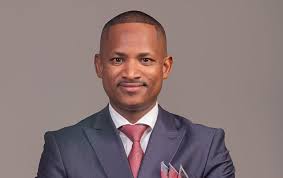
The alleged deal has already sparked mixed reactions within ODM. Hardliners like Edwin Sifuna and Babu Owino have expressed unease about any perceived concessions to the government, while moderates see it as a mature approach to politics. “We cannot keep fighting every battle when we can win through strategy,” one MP aligned with Oburu said. “Zoning does not mean surrender; it means smart deployment of our strength.”
In Siaya, where the meeting took place, residents welcomed the prospect of reduced political violence during campaigns. “We are tired of elections that divide families and friends,” said a local elder. “If UDA stays out, we can focus on development instead of rivalry.”
UDA officials have not publicly confirmed or denied the zoning arrangement. The party has focused recent messaging on national development projects and economic recovery rather than regional confrontations.
As 2027 approaches, the reported Ruto-Oburu understanding could reshape coalition strategies, nomination battles and voter mobilisation across Kenya. Whether it holds or collapses under internal pressures remains one of the key questions in the evolving political landscape.