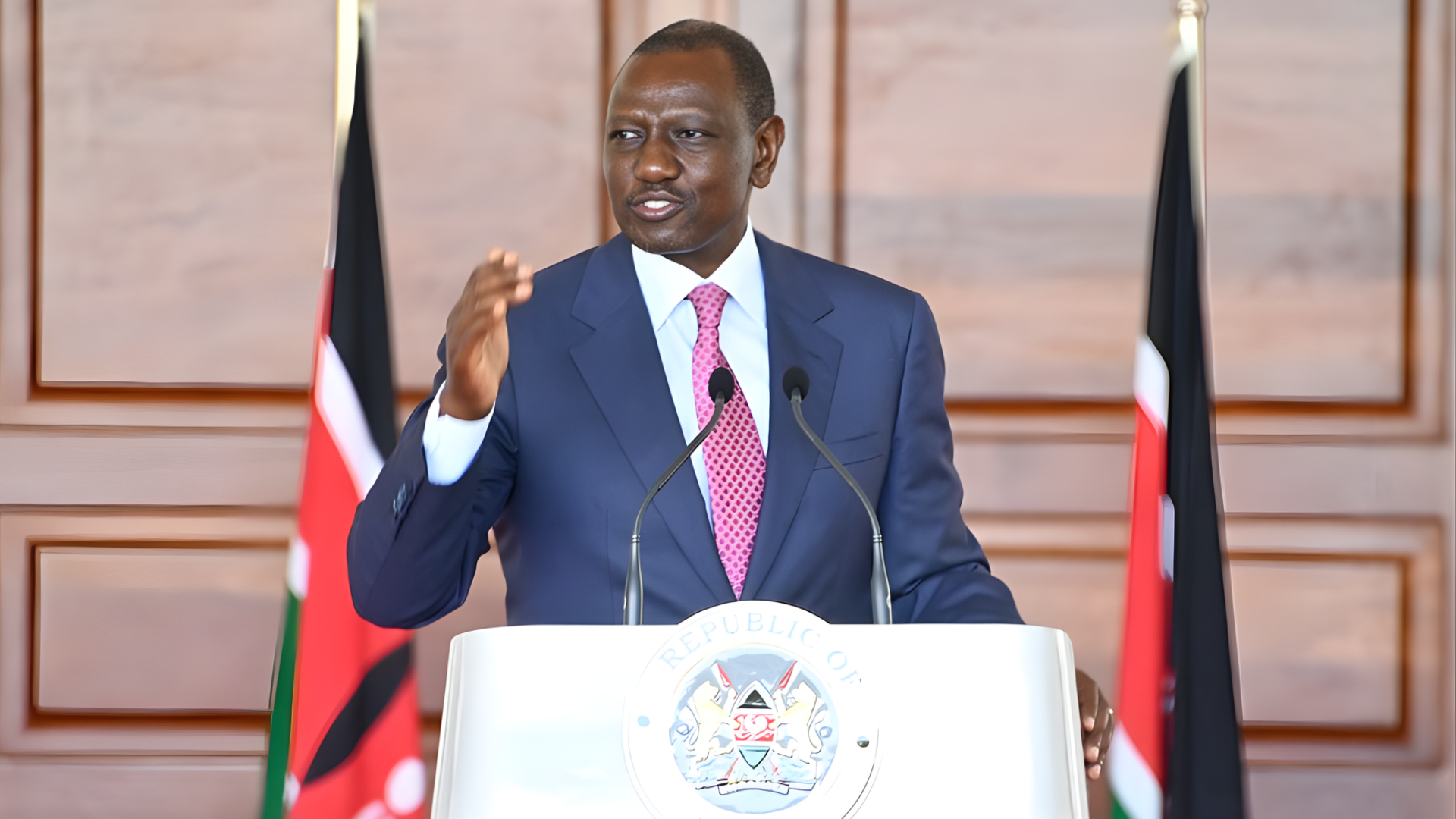
President Donald Trump announced on Thursday that his administration will seek to "permanently pause" migration from all "Third World Countries" to allow the U.S. immigration system to "fully recover," without specifying which nations qualify or what the pause would entail.
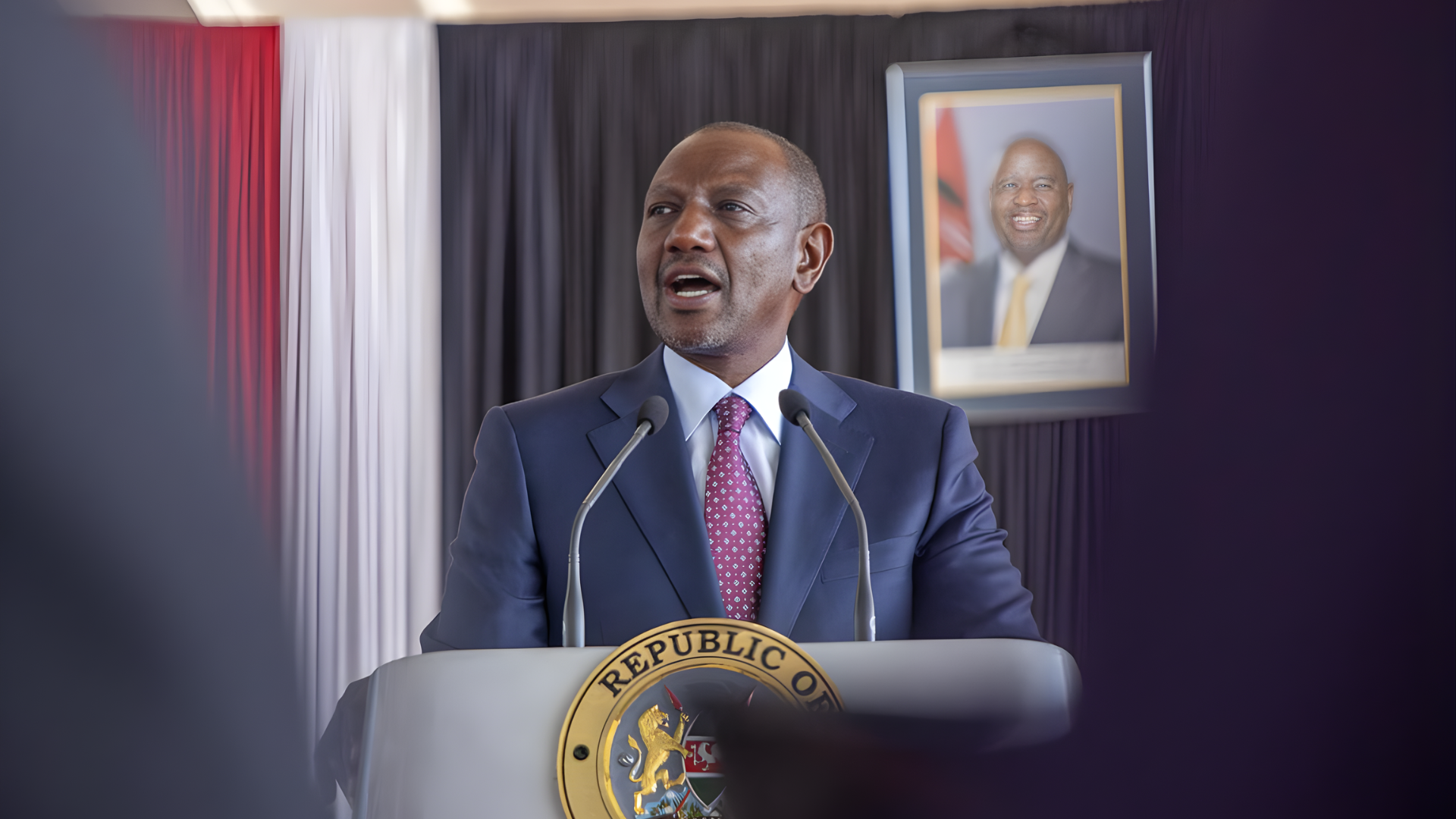
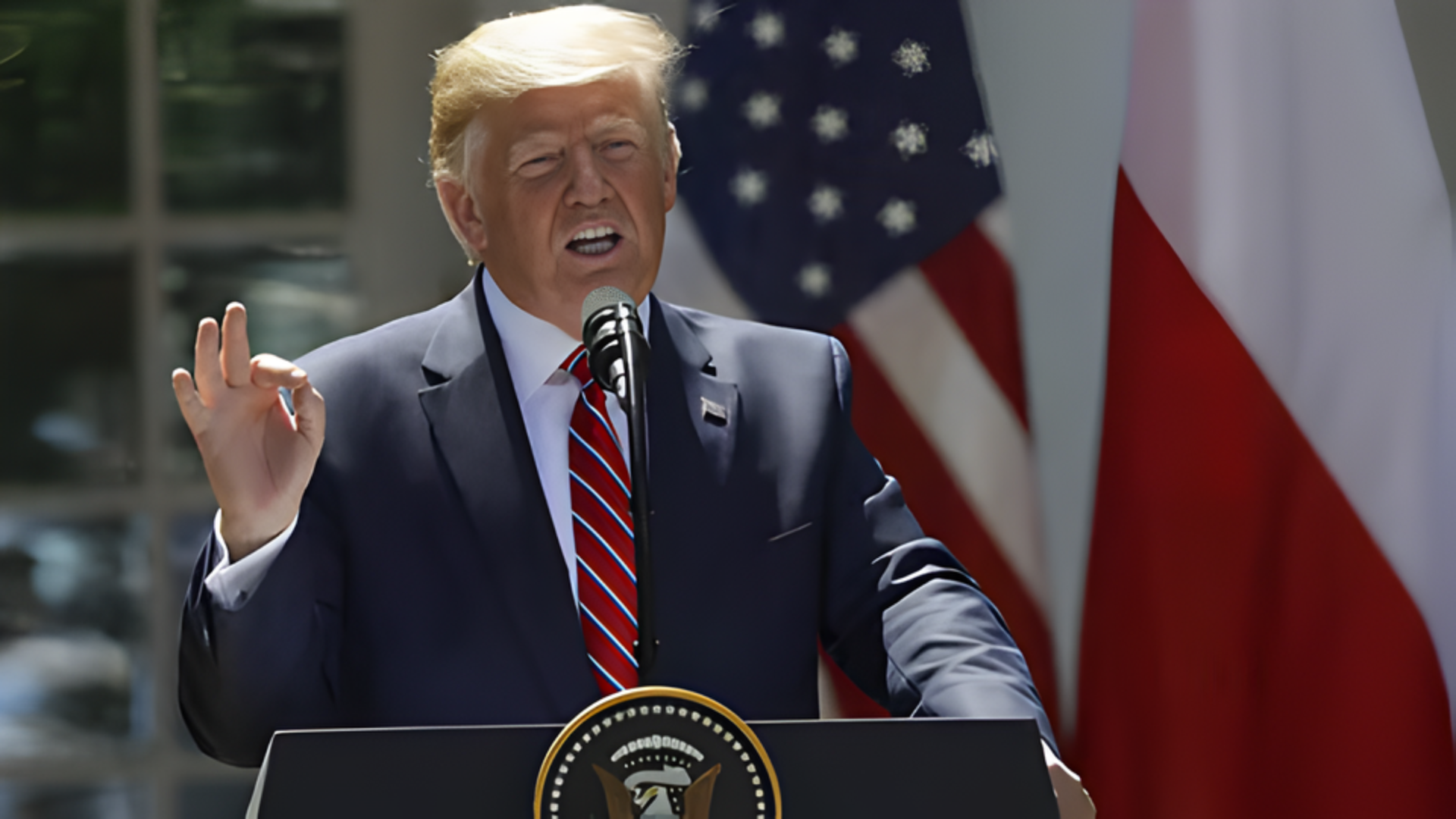
Speaking at a rally in Phoenix, Arizona, Trump described the measure as essential to addressing what he called a "broken and overwhelmed" system exploited by previous administrations. "We're going to permanently pause migration from all Third World Countries until we can get our system back on track," Trump said to cheers from the 15,000-strong crowd. "These countries are sending us their worst—criminals, gangs, drugs—and we can't take it anymore. We need time to fix this mess."
Trump did not name specific countries or define "Third World Countries," a term historically used to describe developing nations but widely considered outdated and pejorative. He also declined to elaborate on the duration or scope of the "pause," though aides later clarified it would apply to all visa categories, including family reunification, employment-based, and diversity visas.
In the same address, Trump directed his administration to conduct a "full-scale, rigorous reexamination" of every green card issued to immigrants from "countries of concern." The review would include cases approved during former President Joe Biden's term, targeting permanent residents who entered through what Trump called "lax vetting processes." "We're going to look at every single green card from a country of concern, including the disaster approvals under Biden," Trump stated. "If they don't meet our standards, they're gone. We can't have people who hate America living here permanently."
The announcement, delivered under the glare of spotlights at the Phoenix Convention Center, drew immediate condemnation from immigration advocates, Democratic leaders, and international allies. House Minority Leader Hakeem Jeffries called the proposal "racist and unconstitutional," vowing to block it through legislative action. "This is not America—it's a throwback to the darkest days of exclusionary policies," Jeffries said in a statement from Washington. "Targeting immigrants based on vague notions of 'Third World' status violates the Equal Protection Clause and the Immigration and Nationality Act."
Civil rights groups swiftly filed emergency lawsuits. The American Civil Liberties Union announced it would challenge the order in federal court, arguing it discriminates on national origin grounds. "Trump's plan is a blueprint for ethnic cleansing by bureaucracy," ACLU executive director Anthony Romero said. "We will fight it every step of the way, from the courts to the streets."
International reaction was swift and sharp. The United Nations High Commissioner for Refugees, Filippo Grandi, expressed "deep concern" over the potential disruption to refugee resettlement. "Such a pause would leave millions in limbo, exacerbating humanitarian crises in vulnerable nations," Grandi said in a Geneva statement. Mexico's President Claudia Sheinbaum, whose country sends the largest number of migrants to the U.S., called the rhetoric "dangerous and divisive." "We are partners, not problems—cooperation, not confrontation, is the path forward," Sheinbaum told reporters in Mexico City.
Trump's comments come amid a surge in border encounters, with U.S. Customs and Border Protection reporting 2.4 million apprehensions in fiscal year 2025, a 15 percent increase from the previous year. The administration has blamed Biden-era policies for the rise, including the expansion of Temporary Protected Status for Haitians and Venezuelans. White House Press Secretary Karine Jean-Pierre defended the proposal as "common-sense reform." "The president is committed to securing our borders while upholding humanitarian values," Jean-Pierre said. "This pause allows for a thorough review to ensure our system serves American workers first."
Immigration experts expressed skepticism about the feasibility. "A 'permanent pause' would require congressional action to amend the Immigration and Nationality Act, which is unlikely in a divided Congress," said Doris Meissner, senior fellow at the Migration Policy Institute. "The green card reexamination could be attempted through executive order, but it would face immediate legal challenges under the Administrative Procedure Act for arbitrary and capricious action."
Trump's allies in Congress praised the move. House Judiciary Committee Chairman Jim Jordan called it "bold leadership to protect American sovereignty." "Biden opened the floodgates; President Trump will build the dam," Jordan said in a Fox News interview.
The announcement dominated global headlines, with outlets from BBC to Al Jazeera framing it as a return to Trump's first-term travel bans that targeted Muslim-majority nations. In Kenya, a key source of skilled migrants through the diversity visa lottery, Foreign Affairs Principal Secretary Korir Sing'oei expressed concern. "We value our partnership with the U.S., but any policy that broadly restricts migration from developing nations will impact thousands of Kenyan professionals and families," Sing'oei told reporters.
The proposal has also sparked fear among the estimated 1.5 million immigrants from Latin America, Africa, and Asia holding green cards. Community groups in Los Angeles and New York organized emergency town halls, with attendees sharing stories of Biden-approved entries now under threat. "I came on a family visa in 2023 after waiting 15 years—now they want to send me back?" said Maria Gonzalez, a nurse from Mexico, at a rally in Echo Park.
Trump's rhetoric, delivered with his signature bombast to a crowd waving "America First" flags, harkens back to his 2017 executive order suspending travel from seven Muslim-majority countries, later upheld in a limited form by the Supreme Court. The "Third World" phrasing drew immediate backlash for its colonial undertones, with historians noting its origins in Cold War classifications that lumped non-aligned nations as underdeveloped.
The White House has not released a timeline for implementation, but transition team sources indicate an executive order could be signed within weeks, pending review by the Department of Homeland Security. Legal scholars anticipate challenges from the ACLU and immigrant rights groups, potentially reaching the Supreme Court by mid-2026.
As the Phoenix rally dispersed into the Arizona night, Trump's words lingered like a storm cloud over the immigration debate, promising a pause that could reshape America's global image and the lives of millions who call it home.