The Kamba people (Akamba), residing primarily in the semi-arid terrains of Eastern Kenya (Machakos, Makueni, and Kitui counties), are renowned for their resilience, artistic brilliance, and deep-rooted traditions. Often called the "People of the String" due to their historical expertise in weaving and long-distance trade, the Akamba possess a culture that beautifully balances community duty with individual entrepreneurship.
1. The Kamba Way of Life
The Akamba are a social and spiritual people. Traditionally, their lives revolved around the "Musyi" (the homestead). Central to their identity is a deep respect for elders and a strong belief in a Supreme Being called Ngai (or Mulungu), who is believed to reside in the high mountains.
· Art and Craft: They are world-famous for their wood carving and basketry (Kyondo). These skills are not just hobbies but ancestral legacies passed down through generations.
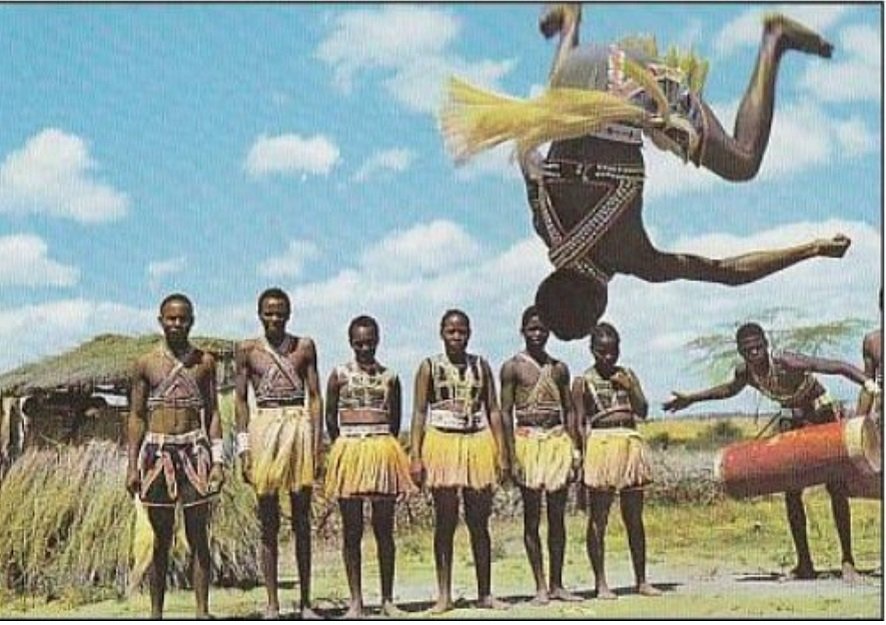
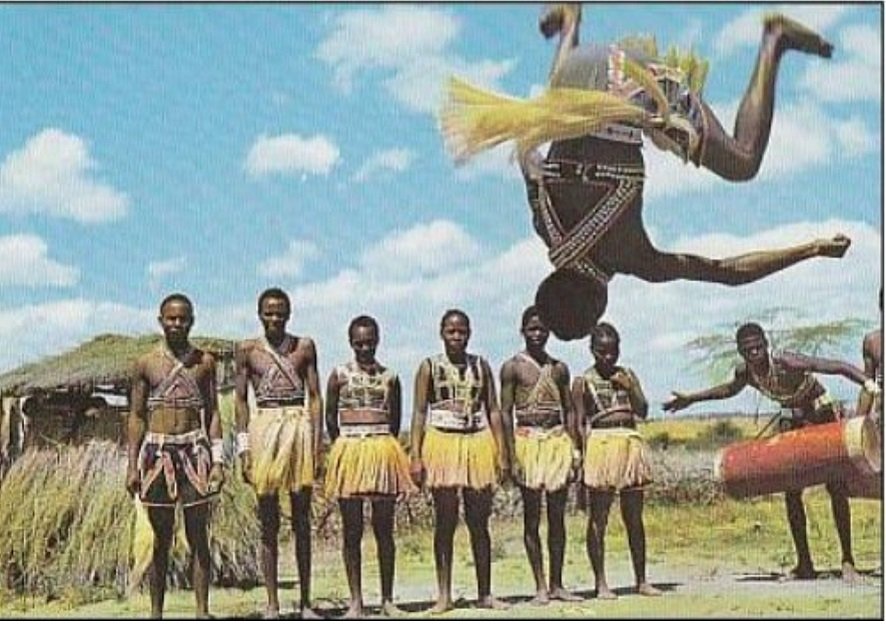
· Music and Dance: Kamba culture is vibrant. Their traditional dances, characterized by acrobatic movements and rhythmic drumming, were historically used to celebrate harvests, welcome warriors, or during rites of passage.
2. Business and Entrepreneurship
The Kamba have an ancient reputation as the "middlemen" of East Africa. Long before the colonial era, they established vast trade networks stretching from the Kenyan coast to the interior.
· Long-Distance Trade: Historically, they traded ivory, medicinal herbs, and ironware for beads, cloth, and salt from the coast.
· Modern Commerce: Today, this "business gene" persists. You will find Kamba entrepreneurs in every sector, particularly in transport, hardware, and the sale of handicrafts. Their ability to thrive in dry climates has also made them exceptionally skilled in livestock trade and small-scale irrigation farming.
3. Marriage Customs (Ntheo)
In Kamba culture, marriage is not just a union between two individuals but a bond between two families. The process is meticulous and deeply symbolic.
· The Approach: When a man identifies a woman he wishes to marry, his family visits the girl's home with a gift, usually a "king’ole" (a small token), to express interest.
· The Dowry (Ntheo): The most critical part of the process is the Ntheo. This usually involves a minimum of three goats—one of which is slaughtered to signify that the bride has officially joined the groom's family.
· Negotiations: Discussions regarding cows and other gifts follow. Interestingly, Kamba tradition emphasizes that dowry is never "fully paid," symbolizing a lifelong friendship and ongoing gratitude between the families. Photo Courtesy : Kamba community in traditional attire
4. The Rhythms of the Soil: Planting Season
Because the Kamba ancestral lands are often dry, the arrival of rain is a sacred event. The planting season is marked by specific communal activities:
| Event | Description | Preparation (Kuvanda) | Before the rains, families clear their land. This is often a communal effort called Mwethya, where neighbors help each other to ensure everyone is ready for the first drop of rain. | Seed Selection | Elders and women traditionally select the hardiest seeds—drought-resistant crops like millet, sorghum, cowpeas, and green grams (ndengu). | Blessing the Land | In traditional settings, elders would offer prayers or sacrifices under a sacred fig tree (Muumo) to ask Ngai for sufficient rain and a pest-free season. | The First Rain | There is an immediate rush to the fields the moment the first rains fall. It is a time of high energy, songs, and hope.
5. Social Harmony through "Mwethya"
One of the most beautiful aspects of Kamba culture is Mwethya—the spirit of pulling together. Whether it is building a house, tilling a large farm, or raising money for school fees, the community organizes itself into groups to tackle tasks that are too heavy for one person.