 Diana Muthini
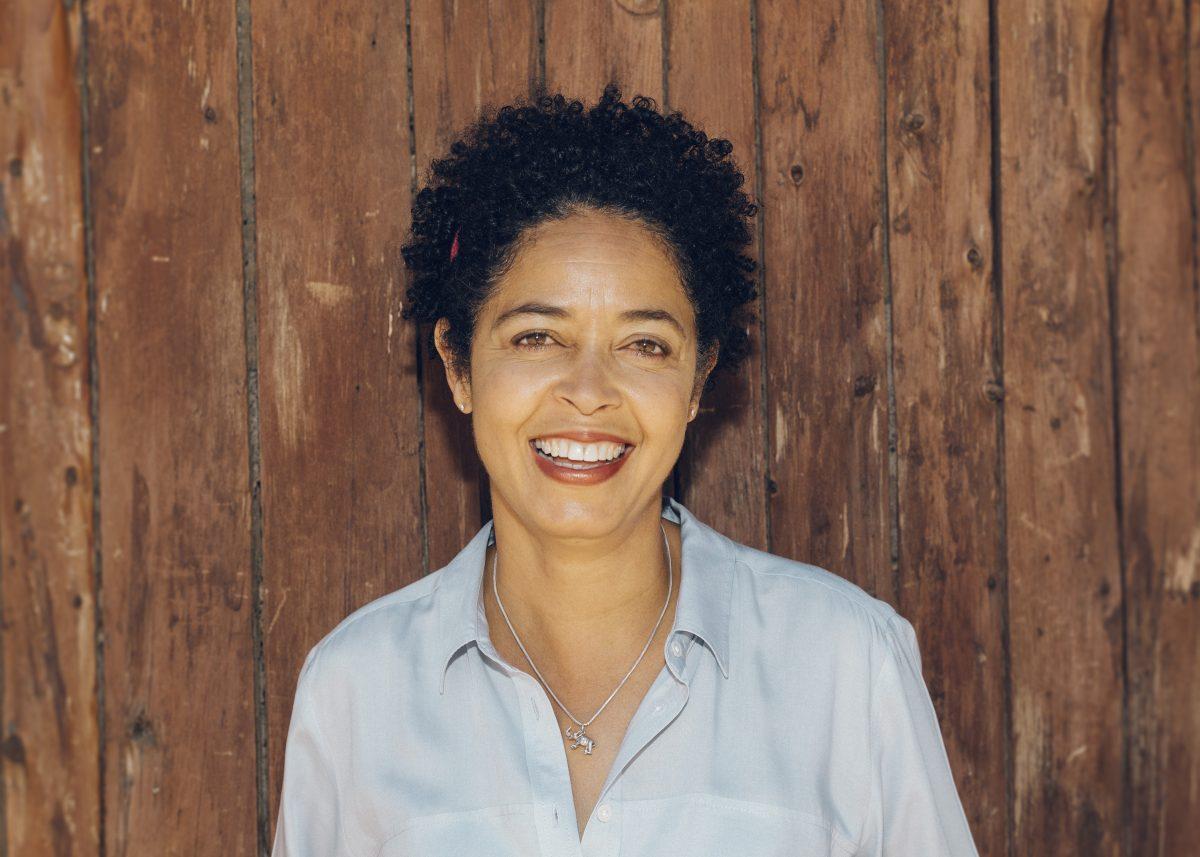
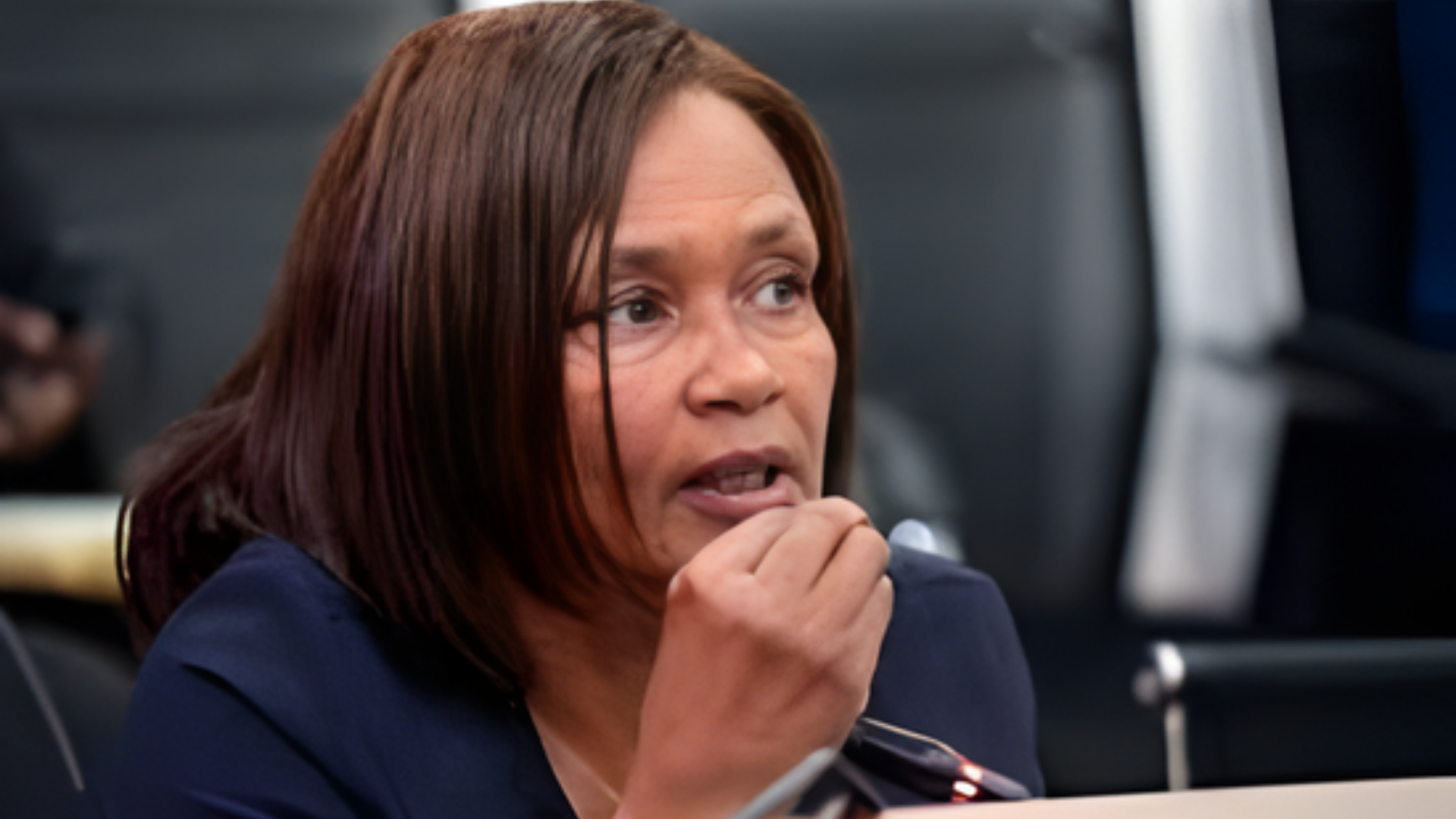
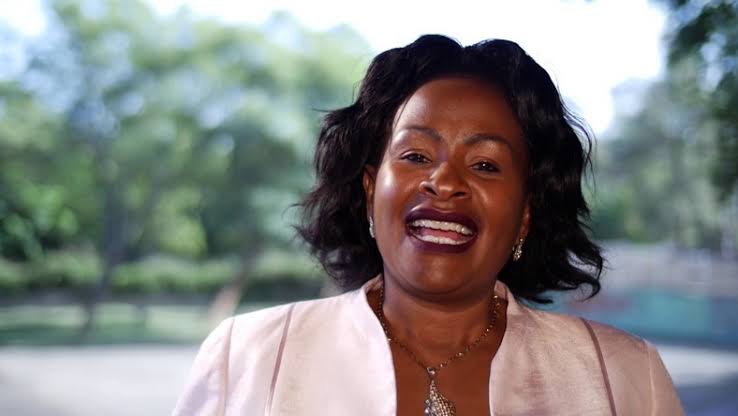
The political journey of Wavinya Ndeti is a powerful narrative of resilience, determination, and the evolving role of women in Kenya’s leadership landscape. Over the years, she has emerged as one of the most influential female politicians in the country, breaking barriers and redefining what it means to lead in a competitive and often male-dominated political arena. Her story is not only about personal success but also about the broader transformation of Kenyan politics toward inclusivity and representation.
Born in Machakos County, Wavinya Ndeti’s early life was shaped by a strong sense of community and ambition. From a young age, she displayed leadership qualities and a desire to make a difference in society. Her academic journey took her into the fields of business and international relations, providing her with a global perspective and a strong foundation in leadership, governance, and economic development. These experiences would later play a crucial role in shaping her political ideology and approach to public service.
Before fully immersing herself in politics, Wavinya built a career in business and diplomacy. She served in various capacities that exposed her to international affairs and leadership structures, sharpening her ability to engage with diverse stakeholders. This background gave her an edge when she eventually transitioned into politics, as she brought with her a blend of professionalism, strategic thinking, and a results-oriented mindset.
Her entry into Kenyan politics marked the beginning of a challenging yet inspiring journey. Like many aspiring leaders, Wavinya faced stiff competition and resistance, particularly as a woman seeking elective office. Her initial attempts to secure political positions were met with setbacks, but these did not deter her. Instead, they strengthened her resolve and deepened her connection with the grassroots. She spent time engaging directly with the people, understanding their needs, and building a loyal support base.
A significant milestone in her career came when she was elected as the Woman Representative for Machakos County. In this role, Wavinya focused on championing the rights and welfare of women, youth, and vulnerable groups. She initiated programs aimed at empowering women economically, supporting education for girls, and improving access to healthcare services. Her tenure was marked by a hands-on approach and a commitment to addressing real community challenges.
Despite her achievements, Wavinya Ndeti’s political ambitions extended beyond the Woman Representative position. She set her sights on the Machakos gubernatorial seat, a move that demonstrated both courage and vision. The journey to becoming governor was not easy. She contested the seat more than once, facing formidable opponents and navigating complex political dynamics. Each loss, however, became a stepping stone, teaching her valuable lessons about strategy, resilience, and the importance of perseverance.
Her eventual victory as the Governor of Machakos County was a defining moment, not only for her career but also for women in Kenyan politics. It signaled a shift in societal attitudes and highlighted the growing acceptance of female leadership at the highest levels of county governance. Her win was celebrated as a breakthrough, inspiring many young women to pursue leadership roles.
As governor, Wavinya Ndeti has focused on delivering tangible development to the people of Machakos. Her administration has prioritized infrastructure development, including road networks and water projects, aimed at improving connectivity and access to essential resources. She has also placed emphasis on healthcare, working to improve medical facilities and ensure better service delivery for residents.
In the agricultural sector, she has championed initiatives designed to support farmers, recognizing the critical role agriculture plays in the local economy. By promoting modern farming techniques and supporting value addition, her government aims to enhance food security and increase incomes for farmers. Additionally, she has invested in education, supporting schools and creating opportunities for young people to access quality learning.
Wavinya has also been vocal about the need for transparency and accountability in governance. She has emphasized prudent use of public resources and has sought to build trust between the government and the people. While challenges remain, including limited resources and high public expectations, her leadership reflects a commitment to progress and service delivery.
Her political journey has not been without criticism. Like any leader, she has faced scrutiny from both political opponents and the public. Issues such as policy implementation, political alliances, and development pace have been subjects of debate. However, these challenges are part of the broader democratic process, and Wavinya has continued to navigate them with resilience and focus.
On the national stage, Wavinya Ndeti is increasingly seen as a key figure in shaping Kenya’s political future. Her experience, influence, and leadership style position her as an important voice in discussions about governance, development, and gender equality. She represents a new generation of leaders who are redefining politics through inclusivity, innovation, and people-centered policies.
Her journey can be compared to that of trailblazers like Charity Ngilu, who paved the way for women in leadership within the same region. Together, they symbolize the growing strength and impact of women in Kenyan politics, challenging stereotypes and opening doors for future generations.
Beyond politics, Wavinya Ndeti’s story is one of inspiration. It highlights the importance of perseverance, courage, and vision in achieving one’s goals. Her rise from a determined young woman in Machakos to a county governor serves as a reminder that leadership is not defined by how one starts, but by the determination to keep moving forward despite obstacles.
In conclusion, Wavinya Ndeti stands as a symbol of resilience and transformation in Kenya’s political landscape. Her journey reflects the challenges and opportunities within the country’s governance system, as well as the growing role of women in leadership. As she continues to serve and shape policy, her impact is likely to extend far beyond Machakos County, contributing to the broader narrative of progress and inclusive leadership in Kenya.