 Wambui Faith
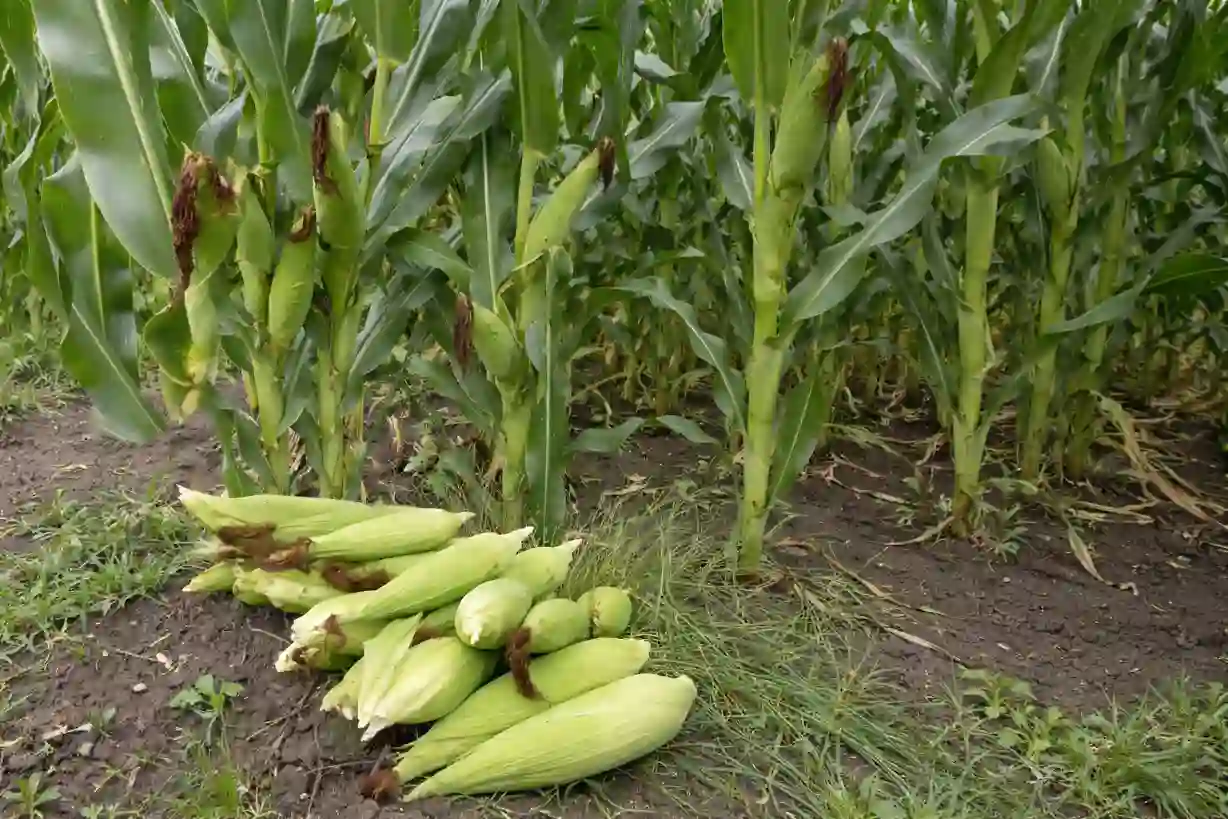
Following the recent Monday Report Town Hall hosted by Trevor Ombija on April 6, 2026, the conversation around Kenya’s food security has shifted gears. The episode, which featured experts from the Kenya Agricultural and Livestock Research Organization (KALRO), highlighted a pivotal moment for the country's "shambas": the transition from traditional methods to science-driven, climate-resilient maize farming.
Here is an overview of the modern technologies discussed and how they are set to redefine the Kenyan agricultural landscape in 2026.
1. The Rise of "Smart" Seeds: Bt and TELA Maize
The focal point of the discussion was the introduction and scaling of Bt Maize and TELA technologies. For years, Kenyan farmers have battled the devastating Fall Armyworm and stem borers, which can wipe out up to 50% of a harvest overnight.
* Bt Maize: This variety is genetically enhanced to provide internal protection against pests, significantly reducing the need for expensive and harmful chemical pesticides.
* TELA Maize: Specifically engineered for drought tolerance, this variety is a "game-changer" for farmers in semi-arid regions. It ensures that even when the rains are erratic—a common occurrence in 2026—the crop can still reach maturity.
2. Digital Agronomy and Soil Health
Trevor’s panel emphasized that technology isn't just about the seed; it’s about the data. A major takeaway was the push for digital soil testing.
* The Problem: Decades of using DAP fertilizer have left soils in the North Rift (Uasin Gishu and Trans Nzoia) highly acidic.
* The Tech Solution: Farmers are now encouraged to use mobile soil-testing kits that provide instant pH readings. Experts recommended applying agricultural lime to neutralize acidity before planting, a step that can boost yields from 15 bags to over 40 bags per acre.
3. Precision Farming and "Push-Pull"
Beyond the lab, the show highlighted biological "tech." The Push-Pull technology remains a cornerstone for Western Kenya farmers. By intercropping maize with Desmodium (which "pushes" pests away) and planting Napier grass around the border (which "pulls" them in), farmers are creating self-sustaining ecosystems without high input costs.
Quick Facts: The 2026 Maize Economics
Item Cost/Detail (Approx.)
Production Cost KES 35,000 – 50,000 per acre
Subsidized Fertilizer KES 2,500 per 50kg bag
Potential Yield 35 – 50 bags per acre (with tech)
Current Market Price | KES 4,000 – 4,500 per 90kg bag
The Verdict: Farming as a Business
The consensus from the Monday Report was clear: Maize farming is no longer a "survival" activity; it is a high-stakes business. With the National Cereals and Produce Board (NCPB) aggressively buying to replenish reserves, the infrastructure is there.
However, as Trevor Ombija noted, the "digital divide" remains a hurdle. For these technologies to work, information must reach the "Mashinani" (grassroots). Platforms like Digifarm and Mkulima Young are becoming essential tools for the modern farmer to source inputs and bypass exploitative middlemen.
"The science is ready; the question is, are the farmers ready to embrace the change?" A recurring theme from the April 6th discussion.
KALRO's Role in Advancing Bt Maize and TELA Technologies
This video provides the full context of the town hall discussion regarding how KALRO is implementing these specific maize technologies to help Kenyan farmers overcome pests and climate challenges.
Here is an overview of the modern technologies discussed and how they are set to redefine the Kenyan agricultural landscape in 2026.
1. The Rise of "Smart" Seeds: Bt and TELA Maize
The focal point of the discussion was the introduction and scaling of Bt Maize and TELA technologies. For years, Kenyan farmers have battled the devastating Fall Armyworm and stem borers, which can wipe out up to 50% of a harvest overnight.
* Bt Maize: This variety is genetically enhanced to provide internal protection against pests, significantly reducing the need for expensive and harmful chemical pesticides.
* TELA Maize: Specifically engineered for drought tolerance, this variety is a "game-changer" for farmers in semi-arid regions. It ensures that even when the rains are erratic—a common occurrence in 2026—the crop can still reach maturity.
2. Digital Agronomy and Soil Health
Trevor’s panel emphasized that technology isn't just about the seed; it’s about the data. A major takeaway was the push for digital soil testing.
* The Problem: Decades of using DAP fertilizer have left soils in the North Rift (Uasin Gishu and Trans Nzoia) highly acidic.
* The Tech Solution: Farmers are now encouraged to use mobile soil-testing kits that provide instant pH readings. Experts recommended applying agricultural lime to neutralize acidity before planting, a step that can boost yields from 15 bags to over 40 bags per acre.
3. Precision Farming and "Push-Pull"
Beyond the lab, the show highlighted biological "tech." The Push-Pull technology remains a cornerstone for Western Kenya farmers. By intercropping maize with Desmodium (which "pushes" pests away) and planting Napier grass around the border (which "pulls" them in), farmers are creating self-sustaining ecosystems without high input costs.
Quick Facts: The 2026 Maize Economics
Item Cost/Detail (Approx.)
Production Cost KES 35,000 – 50,000 per acre
Subsidized Fertilizer KES 2,500 per 50kg bag
Potential Yield 35 – 50 bags per acre (with tech)
Current Market Price | KES 4,000 – 4,500 per 90kg bag
The Verdict: Farming as a Business
The consensus from the Monday Report was clear: Maize farming is no longer a "survival" activity; it is a high-stakes business. With the National Cereals and Produce Board (NCPB) aggressively buying to replenish reserves, the infrastructure is there.
However, as Trevor Ombija noted, the "digital divide" remains a hurdle. For these technologies to work, information must reach the "Mashinani" (grassroots). Platforms like Digifarm and Mkulima Young are becoming essential tools for the modern farmer to source inputs and bypass exploitative middlemen.
"The science is ready; the question is, are the farmers ready to embrace the change?" A recurring theme from the April 6th discussion.
KALRO's Role in Advancing Bt Maize and TELA Technologies
This video provides the full context of the town hall discussion regarding how KALRO is implementing these specific maize technologies to help Kenyan farmers overcome pests and climate challenges.