 Faith Masita
In many African homes, change is not arriving with loud protests or sweeping legal reforms. It is arriving quietly through smartphones, mobile money accounts and women’s growing access to education and income. A new multi-country study across 16 Sub-Saharan African nations suggests that the digital revolution is not only transforming economies; it is reshaping marriages themselves.
For decades, decisions about sex, contraception and healthcare in many households have largely been influenced and sometimes controlled by husbands, extended family members or entrenched cultural norms. According to global data, only 37 per cent of married women in Sub-Saharan Africa can independently make informed decisions about sexual relations, contraceptive use and reproductive healthcare, compared to 87 per cent in Europe.
But beneath these numbers, a shift is taking place.
Researchers analysing data from over 67,000 married women across countries including Nigeria, Uganda, Rwanda, Malawi, Madagascar and South Africa found that three forces education, economic independence and digital access significantly strengthen women’s reproductive autonomy. Most strikingly, it is the combination of these three that has the greatest impact.
The Smartphone Effect.
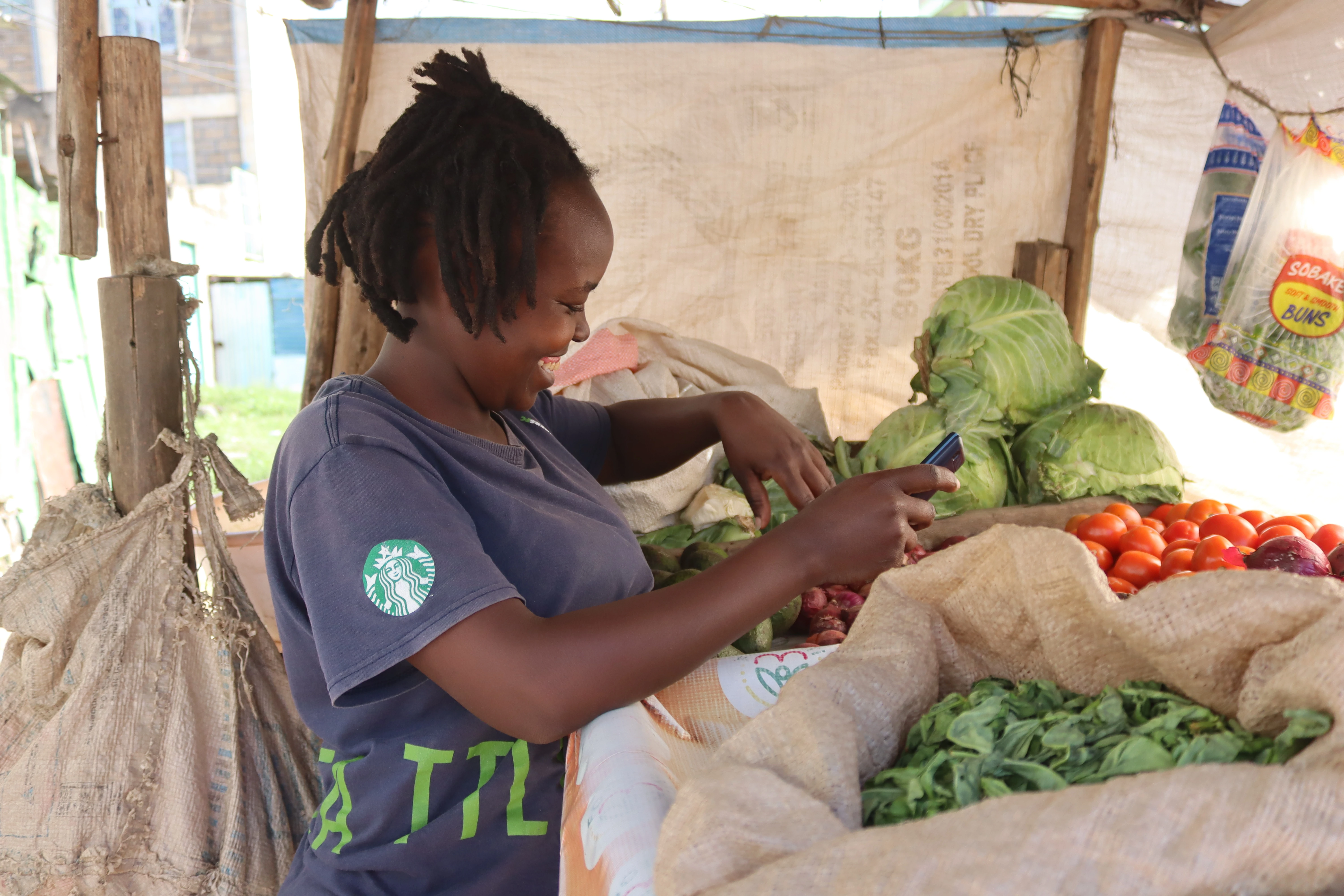
Access to digital tools such as mobile phones, internet services and digital banking is proving to be more than a convenience. It is becoming a source of private information, financial independence and bargaining power.
A woman with internet access can discreetly research contraceptive options. With mobile money, she can save funds without relying entirely on her spouse. Digital banking can give her a financial identity beyond the household. In settings where mobile money is widely used, the study found women were more likely to participate in decisions about sex and reproductive health.
Technology, in this context, becomes a quiet negotiator inside the home.
Education and Income: The Foundation of Influence
The findings also confirm that education doubles the likelihood that women make reproductive decisions jointly with their spouses. Education builds confidence, exposes women to health information and increases awareness of rights.
Economic independence further shifts dynamics. Women who earn income or have control over finances are less vulnerable to economic coercion and more capable of negotiating family planning decisions.
Yet the study makes one thing clear: none of these factors alone is enough. Education without income may not translate into power. Digital access without shifts in gender norms may not alter decision-making patterns. But together, they create leverage.
A New Balance of Power.
Marriage in many African societies has traditionally operated within defined gender hierarchies. What this research reveals is that economic tools and digital connectivity are subtly altering those hierarchies.
When women can access money, information and networks independently, conversations within marriages change. Decisions about whether to have a child, when to seek healthcare or whether to use contraception become more collaborative — and in some cases, more woman-led.
This transformation has implications far beyond the household. Women’s ability to control fertility affects maternal survival, educational attainment, workforce participation and long-term economic stability.
Beyond Access: The Work Ahead.
The study also cautions that technology alone cannot dismantle deep-rooted social norms. Expanding digital infrastructure without addressing cultural barriers may limit progress. Policies must link girls’ education to employment opportunities, expand women’s financial inclusion and promote community dialogue around shared decision-making in marriage.
The digital revolution is often discussed in terms of fintech startups, artificial intelligence and economic growth. But in African homes, its most profound impact may be quieter reshaping who speaks, who decides and who holds power in marriage.