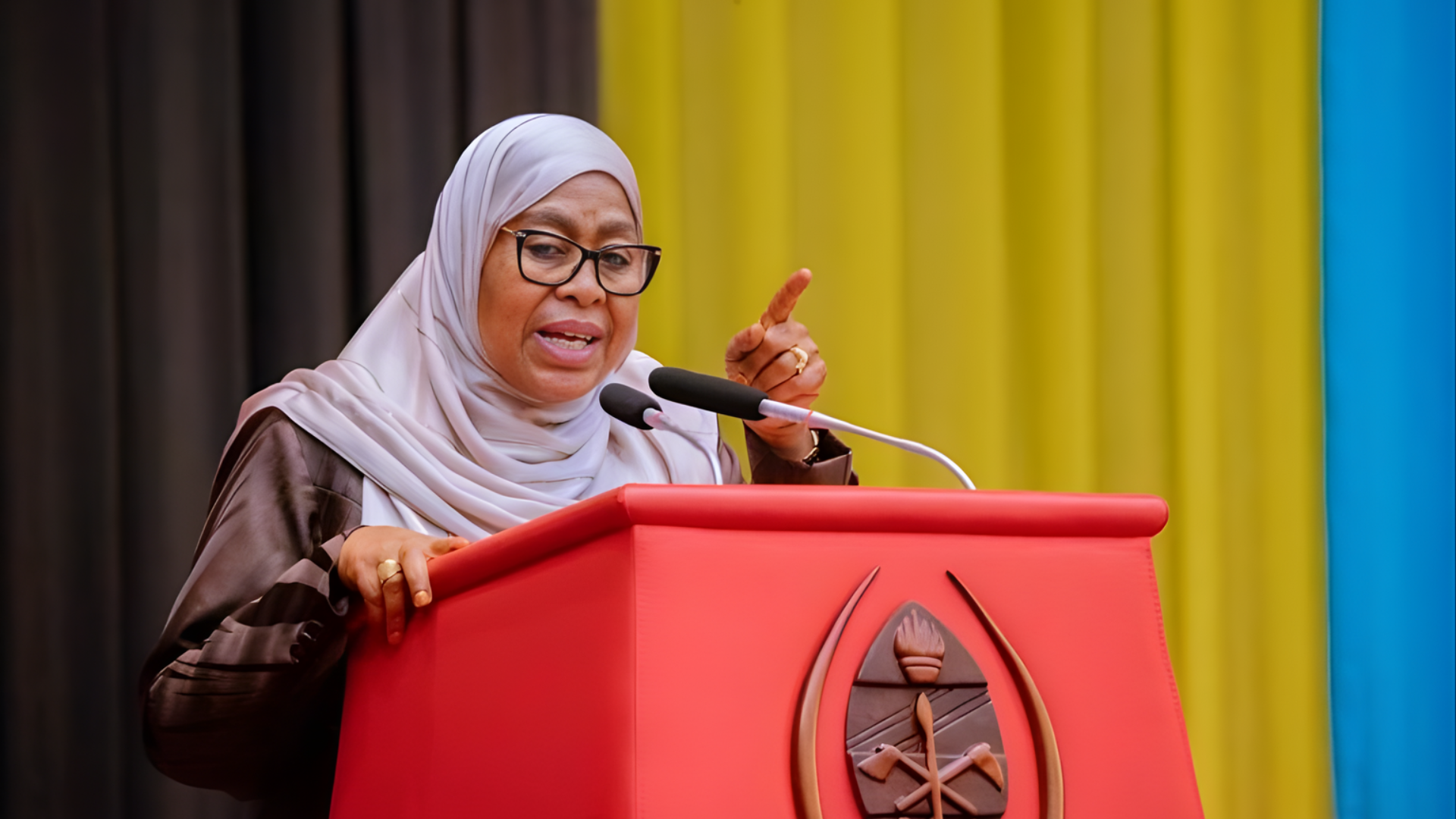
Tanzania is marking its 64th Independence Day on December 9, 2025, in an unusually subdued atmosphere, with the government of President Samia Suluhu Hassan canceling all official celebrations and imposing a nationwide ban on anti-government protests.
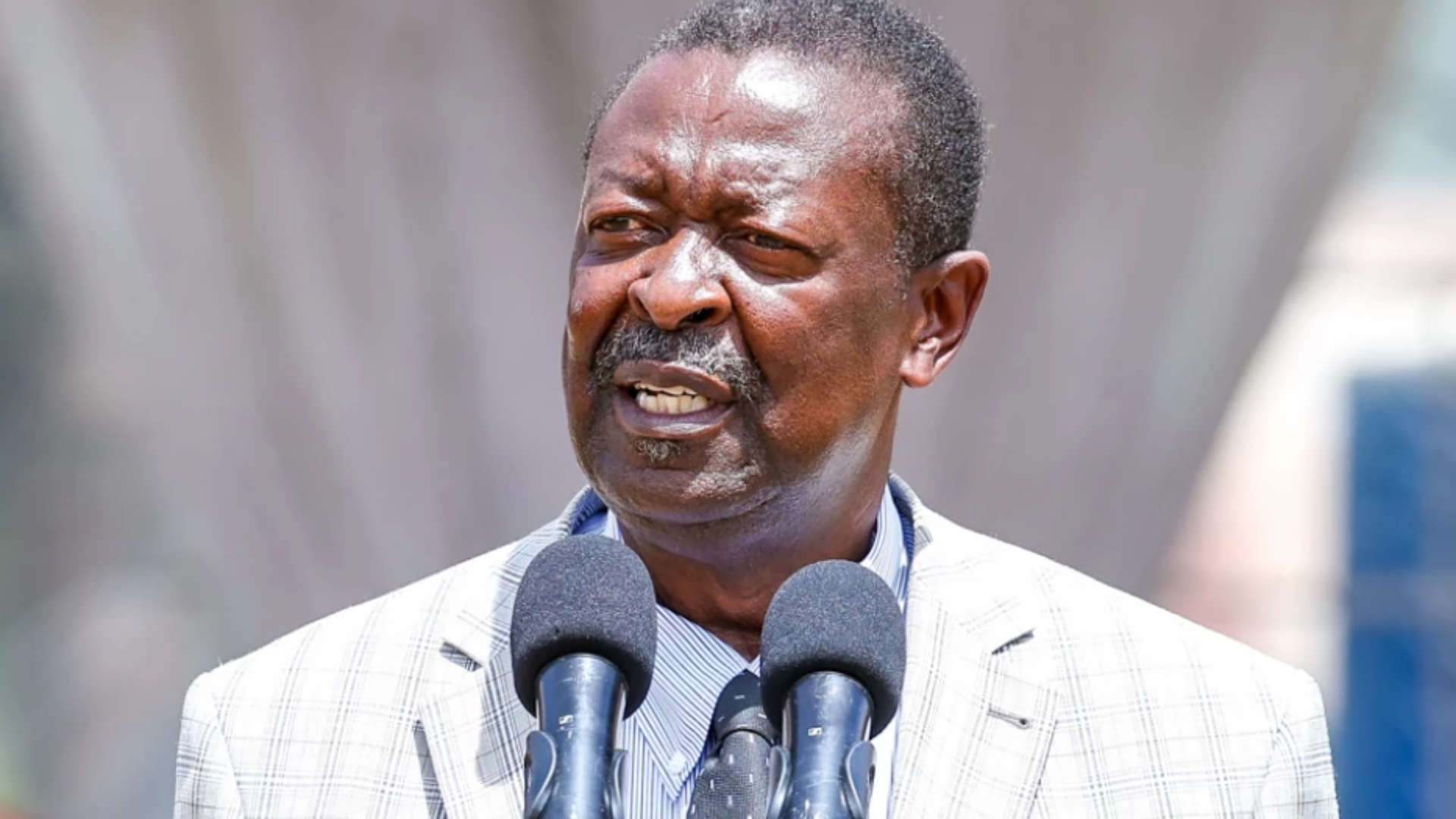
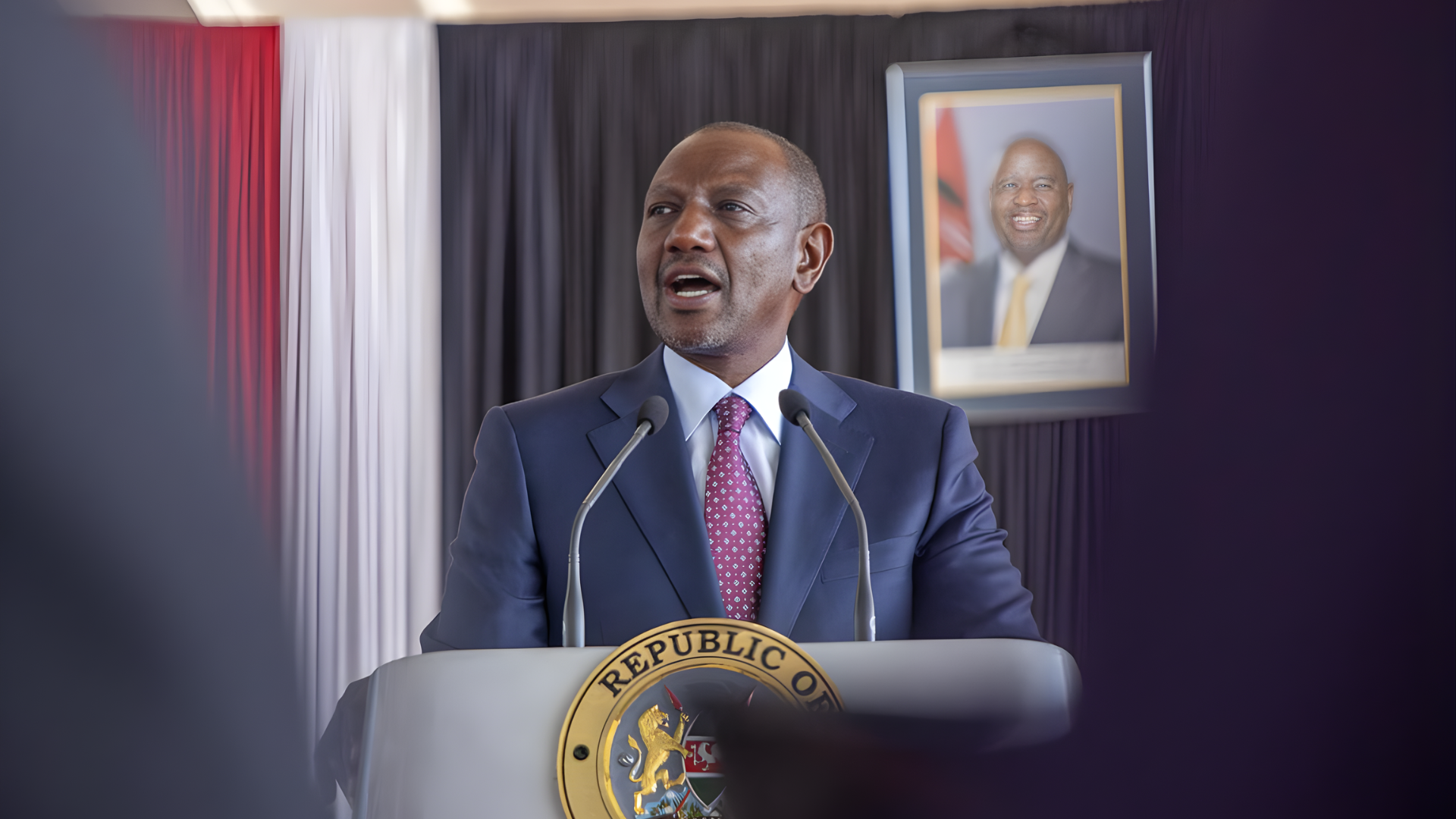
Prime Minister Mwigulu Nchemba announced the decision on December 8, 2025, during a press conference in Dar es Salaam, stating that funds allocated for parades, cultural performances, and national events would instead be redirected to rebuilding infrastructure damaged during the post-election violence that erupted after the October 29 general elections.
"The government advises all citizens who will not have an emergency on December 9 to use the day for rest and celebrate it at home, except for those whose work duties require them to be at their work stations," Nchemba said. "Planned protests are unlawful and amount to an attempted coup. Security forces will maintain order, and anyone disrupting public peace will face the full force of the law."
The ban comes amid heightened tensions following the disputed elections, in which Suluhu was declared the winner with 98 percent of the vote. Opposition parties, led by ACT-Wazalendo, alleged widespread fraud, including candidate disqualifications and ballot stuffing, sparking protests that security forces violently suppressed, resulting in at least 28 confirmed deaths—mostly youth aged 18 to 35—and over 2,000 arrests.
Human Rights Watch reported that authorities have escalated the crackdown ahead of the holiday, with at least 10 activists and opposition supporters arrested since mid-November for online posts related to the planned demonstrations. The United Nations High Commissioner for Refugees, Filippo Grandi, urged Tanzanian authorities to respect freedoms of expression, assembly, and association, warning that a blanket protest ban risks further eroding public trust.
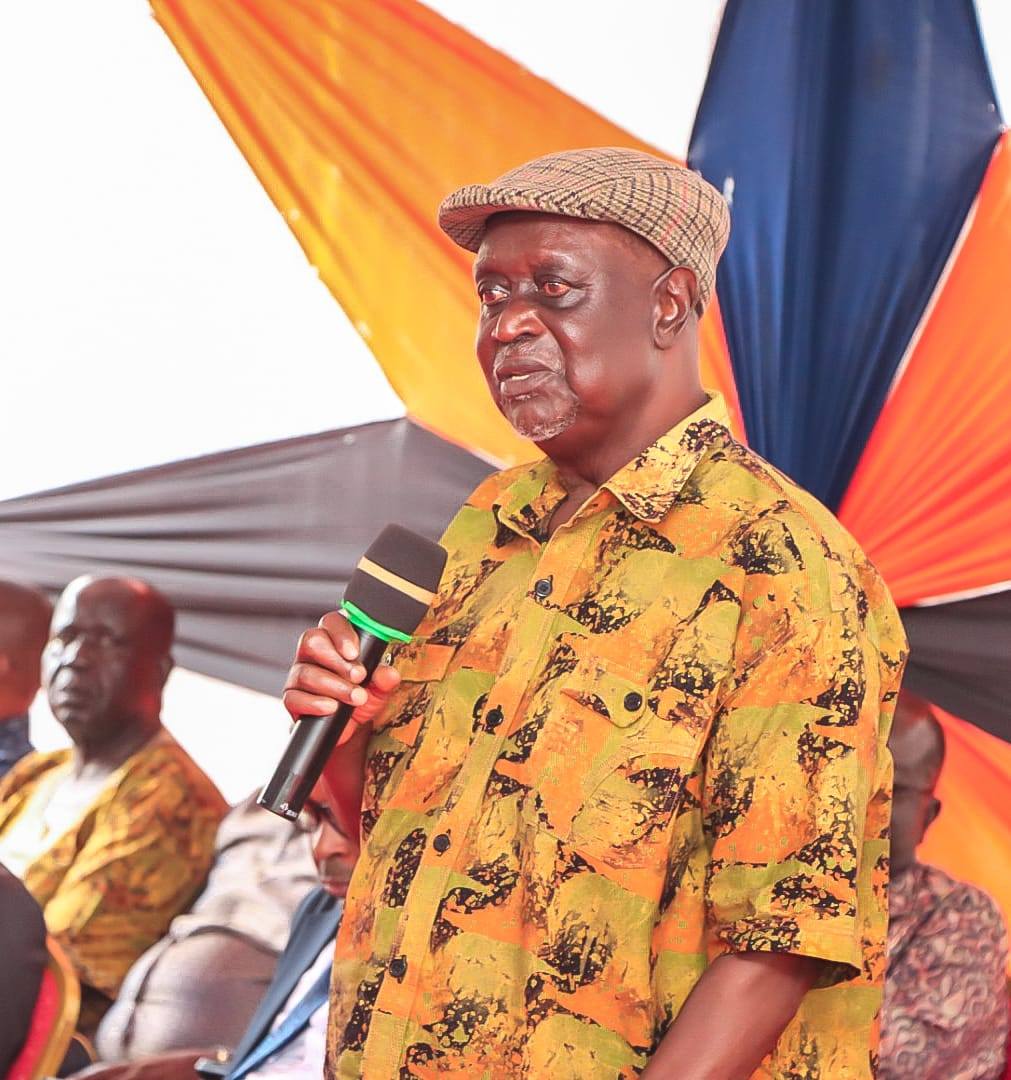
Opposition leader Tundu Lissu of ACT-Wazalendo dismissed the ban as a "desperate act of fear." "The people of Tanzania will not be silenced on Independence Day," Lissu said in a video message from Arusha. "This is the day we remember our fight for freedom from colonial rule. Now we fight for freedom from electoral tyranny. The government's cancellation of celebrations is an admission that it fears the people's voice."
Lissu, who was disqualified from running in the October polls on technicalities, called on citizens to gather peacefully at home or in small groups to reflect on the nation's history and demand justice for the October victims. "Stay home if you must, but let your hearts march," he urged. "The revolution is not in the streets today; it is in the conscience of every Tanzanian who refuses to forget."
The government's decision to forgo traditional festivities—usually featuring military parades, fireworks, and speeches in Dodoma—marks a stark departure from previous years. In 2024, the celebrations drew 50,000 attendees and cost Sh12 billion, including Sh4 billion for infrastructure like stages and security. This year, Nchemba said the Sh12 billion will repair roads, bridges, and public buildings vandalised during the unrest.
The protests, which began on October 30 in Dar es Salaam's Ubungo district, quickly spread to Arusha, Mwanza, and Pemba, where demonstrators demanded a vote recount and the release of detained opposition figures. Security forces responded with tear gas, rubber bullets, and live ammunition, leading to clashes that left morgues overflowing and satellite imagery showing disturbed soil at mass grave sites in Kondo cemetery.
Fatuma Ali, mother of 22-year-old Juma Kibwana—shot in the chest while holding a placard reading "Our Vote, Our Voice"—questioned the ban's timing. "My son marched for the democracy Independence Day symbolises," Ali said from her Temeke home. "Now the government cancels celebrations and bans protests? What are they afraid of—truth or history?"
In Arusha, where 10 youth died on November 1 after barricading the Arusha-Nairobi highway, retired teacher Ibrahim Hassan recalled his daughter Amina's last letter. "She wrote that she protested for a future where votes count," Hassan said, unfolding the faded note. "Suluhu's ban silences that future."
Mwanza's Grace Magoti, widow of fisherman Elias Magoti beaten to death on November 3, echoed the sentiment. "Elias was dragged from his dhow by vigilantes," she said. "If we cannot protest on Independence Day, when can we demand justice?"
Pemba's Zuleikha Mohamed, ACT-Wazalendo MP, called the cancellation "cowardice." "Stone Town's youth were reckoners, not rioters," Mohamed said. "Banning protests on Uhuru Day betrays Nyerere's legacy."
The UN's Volker Türk called for an independent probe adhering to international standards. "Hundreds killed, thousands detained—reprisals must end," Türk said.
EU Ambassador Henna Virkkunen: "Evidence-based inquiry, global eyes needed." AU's Moussa Faki: "Courageous accountability."
CCM's Daniel Chongolo: "Mourns families; inquiry heals." Lissu's video: 500,000 views. Ali's disbelief: Temeke. Hassan's letter: Arusha. Magoti's dhow: Mwanza. Mohamed's cowardice: Pemba. Commission hearings: December 1. Hotline: 200 tips. In Tanzania's tempered triumph, the day dawns dim—a banned Uhuru where protests pause, but memory marches on.