 Victor Elvis Mugambi
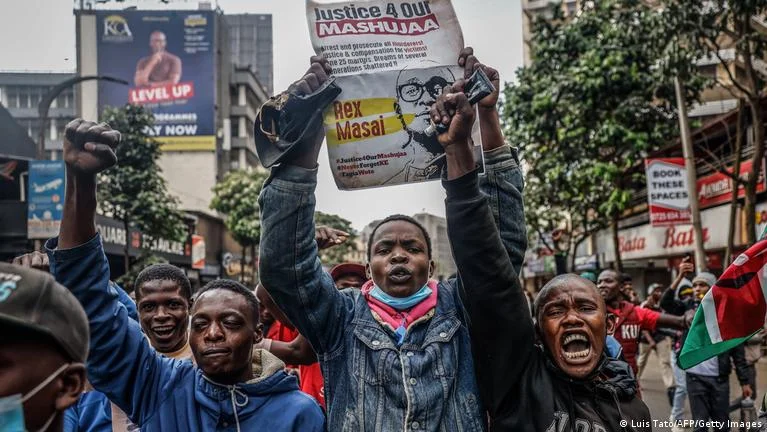
Society bears a profound responsibility to commemorate those who have suffered or lost their lives due to systemic failures and policy oversights. Recognizing the innocence of victims is essential in fostering a collective memory and accountability. Such remembrance not only honors those affected but also serves as a catalyst for policy review and reform.
Reflecting on Policy Failures and Society's Role
In particular, recent commemorations and memorials highlight societal efforts to remember victims and advocate for change. Recognizing the failures inherent in policy decisions underscores the importance of transparent governance and the need for policies rooted in human rights and social justice. These reflections challenge policymakers and society at large to learn from past mistakes and to implement reforms that prevent future tragedies.
Society’s duty extends beyond remembrance. It involves active engagement in policy dialogues, advocating for victims’ rights, and ensuring that governance structures are accountable and responsive. Public awareness campaigns, memorial walks, and educational programs play vital roles in sustaining the memory of the innocent and emphasizing the importance of vigilant governance.
Furthermore, acknowledging policy failures fosters a culture of transparency and continuous improvement. Societies that openly confront their failures and work toward rectification demonstrate resilience and a commitment to justice. These efforts are crucial in building trust and ensuring that the lessons of the past inform the policies of the future.
As we reflect on these themes, it is imperative that communities, governments, and individuals recognize their collective duty to honor the innocent and scrutinize governance. Through remembrance and active policy engagement, societies can aspire to create a future where such tragedies are less likely to recur.