 Wambui Faith
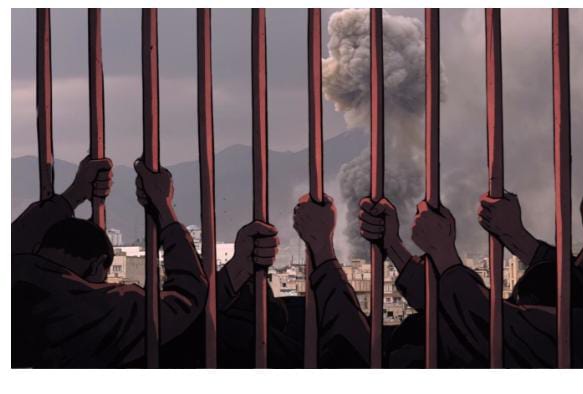
At least six American citizens or lawful permanent residents have been detained by Iran, according to advocacy groups, heightening concerns that they – along with thousands of other Americans believed to be in the country – could be used as leverage as tensions intensify between United States and Israel.
Experts believe many of those at risk are dual US-Iranian nationals or green-card holders who remained in Iran despite repeated travel warnings from Washington about the danger of detention. A board member of the James W. Foley Legacy Foundation cautioned that Iran has a long record of using detained Americans for political bargaining, warning that any American in the country could potentially be vulnerable.
The situation has grown more volatile after the United States and Israel carried out strikes on Iran on Saturday, reportedly killing Supreme Leader Ali Khamenei and other senior officials. The attacks triggered retaliatory responses from Tehran across the region, raising fears that Iran could target Americans as another form of reprisal.
Kieran Ramsey, now affiliated with Global Reach and previously head of the US hostage recovery unit, said hundreds or even thousands of dual nationals with family ties remain in Iran despite the mounting risks.
Because Iran does not recognise dual nationality, foreign governments cannot provide diplomatic protection to individuals it considers solely Iranian citizens. A source familiar with the matter said the US State Department does not have precise figures on how many Americans are currently in the country.
The White House reiterated that President Donald Trump has prioritised securing the release of Americans detained abroad, warning of serious consequences for governments that use US citizens as political tools. According to officials, more than 70 Americans have been freed since the start of his second term in January 2025. However, it remains unclear what measures Washington would take to safeguard those detained since the latest military strikes.
Just before the attacks, US Secretary of State Marco Rubio formally designated Iran as a state sponsor of wrongful detention under an executive order signed in September. The designation could lead to restrictions on US passport travel to Iran and other penalties unless Tehran releases detained Americans.
Advocates worry the message may not deter further action, particularly amid disruption within Iran’s leadership structure following the strikes. Ramsey warned that active military conflict significantly increases the danger facing detainees.
At least six dual nationals or permanent residents are believed to be held at Tehran’s Evin Prison, a facility widely known for housing political prisoners and foreign detainees, or have been prevented from leaving the country, according to research director Elizabeth Richards of the Foley Foundation.
Among those detained is Shahab Dalili, a US green-card holder arrested in 2016 after attending his father’s funeral and later sentenced to 10 years in prison for allegedly cooperating with a foreign government.
Reza Valizadeh, a dual US-Iranian journalist, was detained in 2024 while visiting his elderly parents and also received a 10-year sentence for alleged collaboration with a hostile government.
Kamran Hekmati, a 70-year-old Iranian-American businessman suffering from bladder cancer, was arrested last year and accused of violating a law prohibiting travel to Israel within the past decade, despite documentation indicating his last visit occurred 13 years earlier. He also faces espionage allegations, which advocates say are often used by Iranian authorities to signal that a detainee may only be freed through a prisoner exchange with Washington.
Human rights groups fear that as hostilities escalate, Americans held in Iran could face even greater uncertainty and risk.
Experts believe many of those at risk are dual US-Iranian nationals or green-card holders who remained in Iran despite repeated travel warnings from Washington about the danger of detention. A board member of the James W. Foley Legacy Foundation cautioned that Iran has a long record of using detained Americans for political bargaining, warning that any American in the country could potentially be vulnerable.
The situation has grown more volatile after the United States and Israel carried out strikes on Iran on Saturday, reportedly killing Supreme Leader Ali Khamenei and other senior officials. The attacks triggered retaliatory responses from Tehran across the region, raising fears that Iran could target Americans as another form of reprisal.
Kieran Ramsey, now affiliated with Global Reach and previously head of the US hostage recovery unit, said hundreds or even thousands of dual nationals with family ties remain in Iran despite the mounting risks.
Because Iran does not recognise dual nationality, foreign governments cannot provide diplomatic protection to individuals it considers solely Iranian citizens. A source familiar with the matter said the US State Department does not have precise figures on how many Americans are currently in the country.
The White House reiterated that President Donald Trump has prioritised securing the release of Americans detained abroad, warning of serious consequences for governments that use US citizens as political tools. According to officials, more than 70 Americans have been freed since the start of his second term in January 2025. However, it remains unclear what measures Washington would take to safeguard those detained since the latest military strikes.
Just before the attacks, US Secretary of State Marco Rubio formally designated Iran as a state sponsor of wrongful detention under an executive order signed in September. The designation could lead to restrictions on US passport travel to Iran and other penalties unless Tehran releases detained Americans.
Advocates worry the message may not deter further action, particularly amid disruption within Iran’s leadership structure following the strikes. Ramsey warned that active military conflict significantly increases the danger facing detainees.
At least six dual nationals or permanent residents are believed to be held at Tehran’s Evin Prison, a facility widely known for housing political prisoners and foreign detainees, or have been prevented from leaving the country, according to research director Elizabeth Richards of the Foley Foundation.
Among those detained is Shahab Dalili, a US green-card holder arrested in 2016 after attending his father’s funeral and later sentenced to 10 years in prison for allegedly cooperating with a foreign government.
Reza Valizadeh, a dual US-Iranian journalist, was detained in 2024 while visiting his elderly parents and also received a 10-year sentence for alleged collaboration with a hostile government.
Kamran Hekmati, a 70-year-old Iranian-American businessman suffering from bladder cancer, was arrested last year and accused of violating a law prohibiting travel to Israel within the past decade, despite documentation indicating his last visit occurred 13 years earlier. He also faces espionage allegations, which advocates say are often used by Iranian authorities to signal that a detainee may only be freed through a prisoner exchange with Washington.
Human rights groups fear that as hostilities escalate, Americans held in Iran could face even greater uncertainty and risk.