 Gerald Kyalo. (geraldbway).
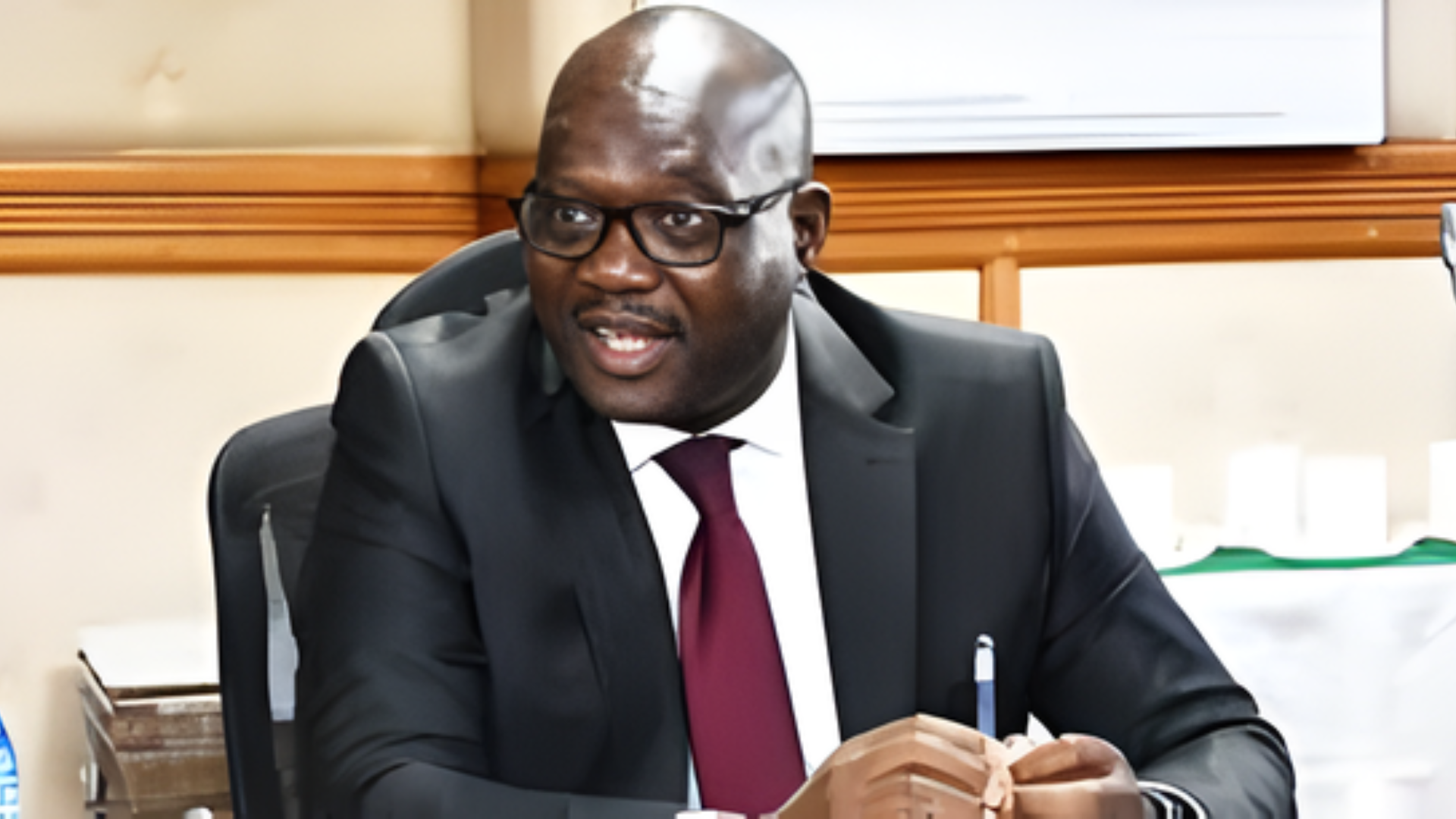
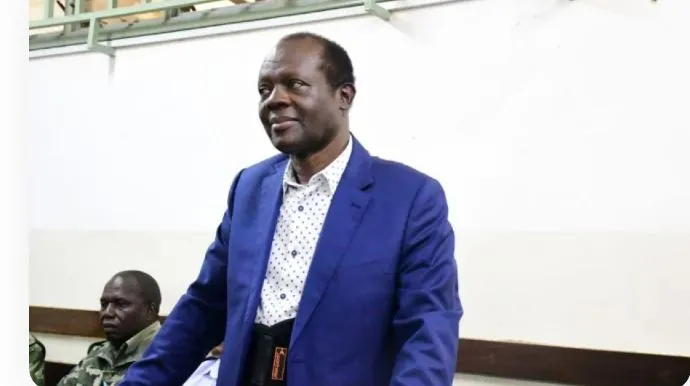
Former Cabinet Secretary Raphael Tuju has made a startling declaration regarding his final wishes in the event of his death, emphasizing that he wants to be buried within 48 hours, particularly if his passing occurs while in the custody of state operatives. The former CS revealed his preferences during a press briefing on Friday, stressing that he does not want the government or any state institutions to have a role in his funeral arrangements.
Tuju stated that he has already communicated these wishes to his family and close associates. “I’ve told my people very clearly that when it comes to that, when I die I want to be buried within 48 hours. I don’t want to see any state participating or being involved in my funeral,” he asserted, underscoring his desire for a private and swift burial.
In an unusual and candid statement, Tuju spoke about his mental readiness for any eventuality, including what he described as potential torture at the hands of state officials. “I’ve been very cheerful with my people and I’m mentally ready for any of the torture that anyone may want to visit on me. Nobody leaves here forever. Raila died and within 72 hours, he was buried,” he said, referencing the late political leader Raila Odinga. He added that former Chief of Defence Forces Francis Ogolla also died and was buried within 48 hours, highlighting a precedent for rapid burials he wishes to follow.
Tuju’s remarks come amid ongoing legal and political tensions surrounding his recent interactions with authorities, which led to his arrest on allegations of providing false information. He described a troubling encounter with law enforcement, claiming that he was assaulted upon voluntarily presenting himself to police. “They say I went and hid under my bed, that’s why I’m alive today. Those who are trailing you, but in this case, I availed myself to the police station and they assaulted me and put me in the cells. I’ve since been released bond-free,” Tuju alleged.
The former CS also addressed claims that he had gone into hiding, clarifying that he had only relocated temporarily to Kiambu after noticing suspicious individuals trailing him. “I did not hide under any bed. I went into hiding in Kiambu for a short while because I observed people following me who I did not recognize. That was purely a precautionary measure,” he said, stressing his innocence and readiness to face any investigations.
Legal analysts note that Tuju’s statements reflect both a deep mistrust of state mechanisms and a heightened concern for personal security, a sentiment not uncommon among high-profile politicians in Kenya during politically tense periods. His insistence on a rapid, private burial signals a desire to avoid potential state interference, a reflection of fears about bureaucratic delays or political exploitation of funeral proceedings.
Tuju’s fears and preemptive measures come at a time when political divisions in the country remain sharp. His reference to past figures who were quickly buried could also be seen as a critique of state protocols, which sometimes involve prolonged and highly publicized funeral arrangements for political figures, creating opportunities for political theater or manipulation. By insisting on burial within 48 hours, Tuju appears to be reclaiming control over what he perceives as a deeply personal matter.
Observers have also pointed out that Tuju’s remarks about being mentally prepared for torture, while alarming, indicate a strong awareness of the risks faced by public figures navigating politically charged legal matters. Human rights advocates emphasize that such statements underscore the need for transparency and accountability within law enforcement agencies to prevent abuses of power.
Tuju’s public comments are likely to stir debate within both political and civil society circles, raising questions about the safety and treatment of political figures in Kenya. Some analysts suggest that his statements may also be intended as a warning to authorities, signaling that he remains vigilant and prepared to act in the event of any untoward incidents.
In addition to addressing his own security concerns, Tuju’s declaration about burial arrangements may also set a precedent for other high-profile figures who fear state interference. In Kenya, funeral arrangements for political and public figures often attract significant attention and involvement from government agencies, sometimes sparking controversy or tension. Tuju’s insistence on limiting this involvement reflects both a personal and symbolic stance, asserting autonomy over how he is memorialized.
Despite the controversies surrounding his recent arrest and the alleged assault, Tuju maintained his innocence and reaffirmed his commitment to transparency. By speaking openly about his experiences and personal wishes, he is sending a strong message about accountability, personal agency, and the importance of safeguarding the dignity of individuals, even amid political and legal turbulence.
Raphael Tuju’s remarks about his burial, combined with claims of assault and alleged threats, highlight ongoing tensions between state actors and political figures in Kenya. His insistence on a swift, private burial reflects both a personal desire for control and a broader critique of political interference in private matters. As the legal proceedings continue, Tuju’s statements are likely to fuel discussion on the treatment of public figures, the role of the state in personal affairs, and the importance of human rights protections for all citizens.
Tuju stated that he has already communicated these wishes to his family and close associates. “I’ve told my people very clearly that when it comes to that, when I die I want to be buried within 48 hours. I don’t want to see any state participating or being involved in my funeral,” he asserted, underscoring his desire for a private and swift burial.
In an unusual and candid statement, Tuju spoke about his mental readiness for any eventuality, including what he described as potential torture at the hands of state officials. “I’ve been very cheerful with my people and I’m mentally ready for any of the torture that anyone may want to visit on me. Nobody leaves here forever. Raila died and within 72 hours, he was buried,” he said, referencing the late political leader Raila Odinga. He added that former Chief of Defence Forces Francis Ogolla also died and was buried within 48 hours, highlighting a precedent for rapid burials he wishes to follow.
Tuju’s remarks come amid ongoing legal and political tensions surrounding his recent interactions with authorities, which led to his arrest on allegations of providing false information. He described a troubling encounter with law enforcement, claiming that he was assaulted upon voluntarily presenting himself to police. “They say I went and hid under my bed, that’s why I’m alive today. Those who are trailing you, but in this case, I availed myself to the police station and they assaulted me and put me in the cells. I’ve since been released bond-free,” Tuju alleged.
The former CS also addressed claims that he had gone into hiding, clarifying that he had only relocated temporarily to Kiambu after noticing suspicious individuals trailing him. “I did not hide under any bed. I went into hiding in Kiambu for a short while because I observed people following me who I did not recognize. That was purely a precautionary measure,” he said, stressing his innocence and readiness to face any investigations.
Legal analysts note that Tuju’s statements reflect both a deep mistrust of state mechanisms and a heightened concern for personal security, a sentiment not uncommon among high-profile politicians in Kenya during politically tense periods. His insistence on a rapid, private burial signals a desire to avoid potential state interference, a reflection of fears about bureaucratic delays or political exploitation of funeral proceedings.
Tuju’s fears and preemptive measures come at a time when political divisions in the country remain sharp. His reference to past figures who were quickly buried could also be seen as a critique of state protocols, which sometimes involve prolonged and highly publicized funeral arrangements for political figures, creating opportunities for political theater or manipulation. By insisting on burial within 48 hours, Tuju appears to be reclaiming control over what he perceives as a deeply personal matter.
Observers have also pointed out that Tuju’s remarks about being mentally prepared for torture, while alarming, indicate a strong awareness of the risks faced by public figures navigating politically charged legal matters. Human rights advocates emphasize that such statements underscore the need for transparency and accountability within law enforcement agencies to prevent abuses of power.
Tuju’s public comments are likely to stir debate within both political and civil society circles, raising questions about the safety and treatment of political figures in Kenya. Some analysts suggest that his statements may also be intended as a warning to authorities, signaling that he remains vigilant and prepared to act in the event of any untoward incidents.
In addition to addressing his own security concerns, Tuju’s declaration about burial arrangements may also set a precedent for other high-profile figures who fear state interference. In Kenya, funeral arrangements for political and public figures often attract significant attention and involvement from government agencies, sometimes sparking controversy or tension. Tuju’s insistence on limiting this involvement reflects both a personal and symbolic stance, asserting autonomy over how he is memorialized.
Despite the controversies surrounding his recent arrest and the alleged assault, Tuju maintained his innocence and reaffirmed his commitment to transparency. By speaking openly about his experiences and personal wishes, he is sending a strong message about accountability, personal agency, and the importance of safeguarding the dignity of individuals, even amid political and legal turbulence.
Raphael Tuju’s remarks about his burial, combined with claims of assault and alleged threats, highlight ongoing tensions between state actors and political figures in Kenya. His insistence on a swift, private burial reflects both a personal desire for control and a broader critique of political interference in private matters. As the legal proceedings continue, Tuju’s statements are likely to fuel discussion on the treatment of public figures, the role of the state in personal affairs, and the importance of human rights protections for all citizens.