 Diana Muthini
Early Life and Family Background
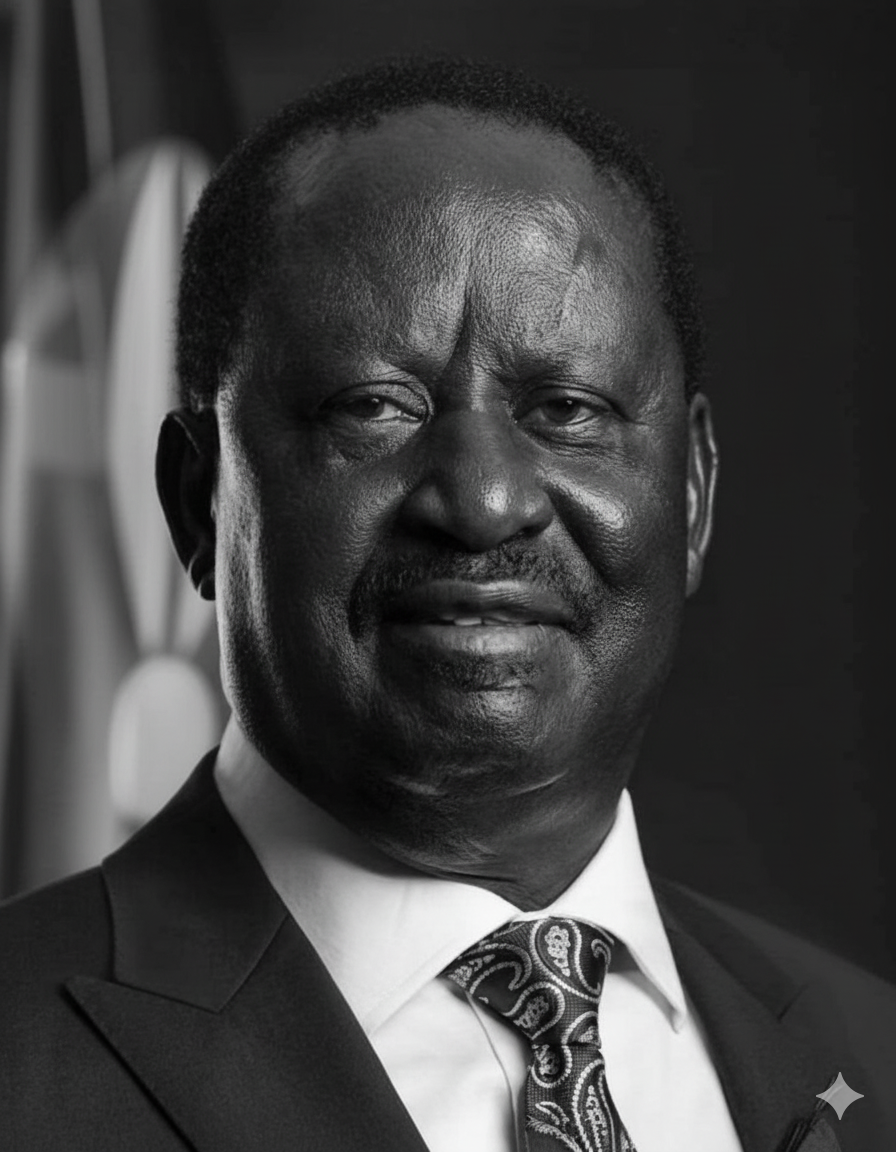
Raila Amolo Odinga was born on January 7, 1945, in Maseno, Kisumu County, Kenya, into a politically influential family. His father, Jaramogi Oginga Odinga, was a central figure in Kenya’s independence movement and the country’s first vice president, while his mother, Mary Juma Odinga, played a quiet but strong role in his upbringing. Growing up in such a household, Raila was exposed from a young age to political debates, the struggle for freedom, and the responsibilities of leadership.
Raila’s early years were shaped by both privilege and struggle. While he had access to quality education, he also witnessed the complexities of colonial rule and the challenges his father faced as a political activist. These experiences instilled in him a deep sense of justice, equality, and the importance of civic engagement.
Education and Early Influences
Raila Odinga attended local schools in Kisumu before joining Loyola High School for his secondary education. His academic performance and keen interest in science and technology earned him the opportunity to study abroad. Raila went to Germany, where he enrolled at the University of Dortmund, earning a Bachelor of Science in Mechanical Engineering.
During his time in Germany, Raila wasj exposed to progressive political ideas, democracy, and industrial development strategies. He became actively engaged with international student movements and developed a broader worldview, combining technical knowledge with a commitment to social and political reform. This unique blend of engineering training and political awareness would later influence his approach to leadership and national development projects.
Early Political Involvement
Raila Odinga’s political career began in the 1970s, influenced strongly by his father’s activism. He initially became involved in youth politics, advocating for political reform, social justice, and economic empowerment. In the 1980s and early 1990s, as Kenya transitioned from single-party rule to multiparty democracy, Raila emerged as one of the leading voices for political change.
He was imprisoned multiple times for his activism, particularly during the regime of President Daniel arap Moi, highlighting his commitment to political freedom despite personal risks. These struggles earned him the reputation of a resilient, principled leader who would not compromise on issues of democracy and civil rights.
Parliamentary Career
Raila first entered the Kenyan Parliament in 1992 as the Member of Parliament (MP) for Lang’ata Constituency under the opposition banner. Over the years, he represented various constituencies, consistently championing the needs of the people, including access to education, healthcare, and infrastructure development.
During his tenure in Parliament, Raila Odinga became known for his eloquence, strategic political thinking, and ability to negotiate across party lines. His advocacy for constitutional reform culminated in the long struggle that led to the 2010 Constitution of Kenya, a milestone in Kenya’s democratic history.
Ministerial and Leadership Roles
Raila Odinga has held several key government positions:
Minister of Energy (2001–2002): Raila focused on modernizing Kenya’s energy sector, pushing for reforms to ensure better electricity access and sustainability.
Prime Minister of Kenya (2008–2013): Following the disputed 2007 elections and ensuing post-election violence, Raila played a critical role in negotiating a coalition government under President Mwai Kibaki. His leadership during this period helped stabilize the nation and foster national reconciliation.
During his time in office, Raila emphasized policies that promoted economic growth, infrastructural development, and social cohesion. He worked to implement reforms that addressed corruption, improved service delivery, and increased access to essential resources for ordinary Kenyans.
Presidential Ambitions
Raila Odinga has been a perennial contender for the presidency of Kenya, running in 1997, 2007, 2013, 2017, and 2022. While he has faced both victory and defeat, often amid controversies and disputed election results, he remains a central figure in Kenyan politics.
His campaigns have consistently focused on anti-corruption, education, healthcare, and social justice. Raila has also been a vocal advocate for national unity, repeatedly condemning tribalism and emphasizing the need for inclusive governance.
Advocacy and Vision
Beyond politics, Raila Odinga is known for his broader vision for Kenya and Africa. He has been a champion of:
Democratic Governance: Advocating for free, fair, and transparent elections.
National Unity: Bridging ethnic divides and promoting cohesion among Kenya’s diverse communities.
Infrastructure and Technology: Supporting projects that improve transport, energy, and digital connectivity.
Youth and Women Empowerment: Encouraging education, entrepreneurship, and political participation among underrepresented groups.
Raila’s efforts have earned him recognition not only in Kenya but across Africa and internationally. He is widely regarded as a symbol of resilience, democratic values, and visionary leadership.
Personal Life
Raila Odinga is married to Ida Odinga, a former teacher and an influential advocate for women’s rights and education. They have several children. Raila is known for his deep commitment to family values, and he balances his political life with personal and spiritual reflection.
He is also an avid supporter of education and technology, believing that innovation is key to Kenya’s development. Raila frequently encourages young people to pursue science, engineering, and entrepreneurship as a pathway to national progress.
Legacy
Raila Odinga’s life is a testament to resilience, leadership, and service to the people. From his early exposure to politics through his father to his own decades-long political career, Raila has remained committed to advancing democracy, justice, and development in Kenya.
He is remembered as:
A visionary leader who helped shape modern Kenyan politics.
A proponent of constitutional reform and national reconciliation.
An advocate for social justice, youth, and women empowerment.
A figure whose life embodies principled leadership, perseverance, and dedication to the Kenyan people.
Raila Odinga’s journey continues to inspire generations of Kenyans who aspire to leadership rooted in courage, integrity, and service.
Raila Amolo Odinga was born on January 7, 1945, in Maseno, Kisumu County, Kenya, into a politically influential family. His father, Jaramogi Oginga Odinga, was a central figure in Kenya’s independence movement and the country’s first vice president, while his mother, Mary Juma Odinga, played a quiet but strong role in his upbringing. Growing up in such a household, Raila was exposed from a young age to political debates, the struggle for freedom, and the responsibilities of leadership.
Raila’s early years were shaped by both privilege and struggle. While he had access to quality education, he also witnessed the complexities of colonial rule and the challenges his father faced as a political activist. These experiences instilled in him a deep sense of justice, equality, and the importance of civic engagement.
Education and Early Influences
Raila Odinga attended local schools in Kisumu before joining Loyola High School for his secondary education. His academic performance and keen interest in science and technology earned him the opportunity to study abroad. Raila went to Germany, where he enrolled at the University of Dortmund, earning a Bachelor of Science in Mechanical Engineering.
During his time in Germany, Raila wasj exposed to progressive political ideas, democracy, and industrial development strategies. He became actively engaged with international student movements and developed a broader worldview, combining technical knowledge with a commitment to social and political reform. This unique blend of engineering training and political awareness would later influence his approach to leadership and national development projects.
Early Political Involvement
Raila Odinga’s political career began in the 1970s, influenced strongly by his father’s activism. He initially became involved in youth politics, advocating for political reform, social justice, and economic empowerment. In the 1980s and early 1990s, as Kenya transitioned from single-party rule to multiparty democracy, Raila emerged as one of the leading voices for political change.
He was imprisoned multiple times for his activism, particularly during the regime of President Daniel arap Moi, highlighting his commitment to political freedom despite personal risks. These struggles earned him the reputation of a resilient, principled leader who would not compromise on issues of democracy and civil rights.
Parliamentary Career
Raila first entered the Kenyan Parliament in 1992 as the Member of Parliament (MP) for Lang’ata Constituency under the opposition banner. Over the years, he represented various constituencies, consistently championing the needs of the people, including access to education, healthcare, and infrastructure development.
During his tenure in Parliament, Raila Odinga became known for his eloquence, strategic political thinking, and ability to negotiate across party lines. His advocacy for constitutional reform culminated in the long struggle that led to the 2010 Constitution of Kenya, a milestone in Kenya’s democratic history.
Ministerial and Leadership Roles
Raila Odinga has held several key government positions:
Minister of Energy (2001–2002): Raila focused on modernizing Kenya’s energy sector, pushing for reforms to ensure better electricity access and sustainability.
Prime Minister of Kenya (2008–2013): Following the disputed 2007 elections and ensuing post-election violence, Raila played a critical role in negotiating a coalition government under President Mwai Kibaki. His leadership during this period helped stabilize the nation and foster national reconciliation.
During his time in office, Raila emphasized policies that promoted economic growth, infrastructural development, and social cohesion. He worked to implement reforms that addressed corruption, improved service delivery, and increased access to essential resources for ordinary Kenyans.
Presidential Ambitions
Raila Odinga has been a perennial contender for the presidency of Kenya, running in 1997, 2007, 2013, 2017, and 2022. While he has faced both victory and defeat, often amid controversies and disputed election results, he remains a central figure in Kenyan politics.
His campaigns have consistently focused on anti-corruption, education, healthcare, and social justice. Raila has also been a vocal advocate for national unity, repeatedly condemning tribalism and emphasizing the need for inclusive governance.
Advocacy and Vision
Beyond politics, Raila Odinga is known for his broader vision for Kenya and Africa. He has been a champion of:
Democratic Governance: Advocating for free, fair, and transparent elections.
National Unity: Bridging ethnic divides and promoting cohesion among Kenya’s diverse communities.
Infrastructure and Technology: Supporting projects that improve transport, energy, and digital connectivity.
Youth and Women Empowerment: Encouraging education, entrepreneurship, and political participation among underrepresented groups.
Raila’s efforts have earned him recognition not only in Kenya but across Africa and internationally. He is widely regarded as a symbol of resilience, democratic values, and visionary leadership.
Personal Life
Raila Odinga is married to Ida Odinga, a former teacher and an influential advocate for women’s rights and education. They have several children. Raila is known for his deep commitment to family values, and he balances his political life with personal and spiritual reflection.
He is also an avid supporter of education and technology, believing that innovation is key to Kenya’s development. Raila frequently encourages young people to pursue science, engineering, and entrepreneurship as a pathway to national progress.
Legacy
Raila Odinga’s life is a testament to resilience, leadership, and service to the people. From his early exposure to politics through his father to his own decades-long political career, Raila has remained committed to advancing democracy, justice, and development in Kenya.
He is remembered as:
A visionary leader who helped shape modern Kenyan politics.
A proponent of constitutional reform and national reconciliation.
An advocate for social justice, youth, and women empowerment.
A figure whose life embodies principled leadership, perseverance, and dedication to the Kenyan people.
Raila Odinga’s journey continues to inspire generations of Kenyans who aspire to leadership rooted in courage, integrity, and service.