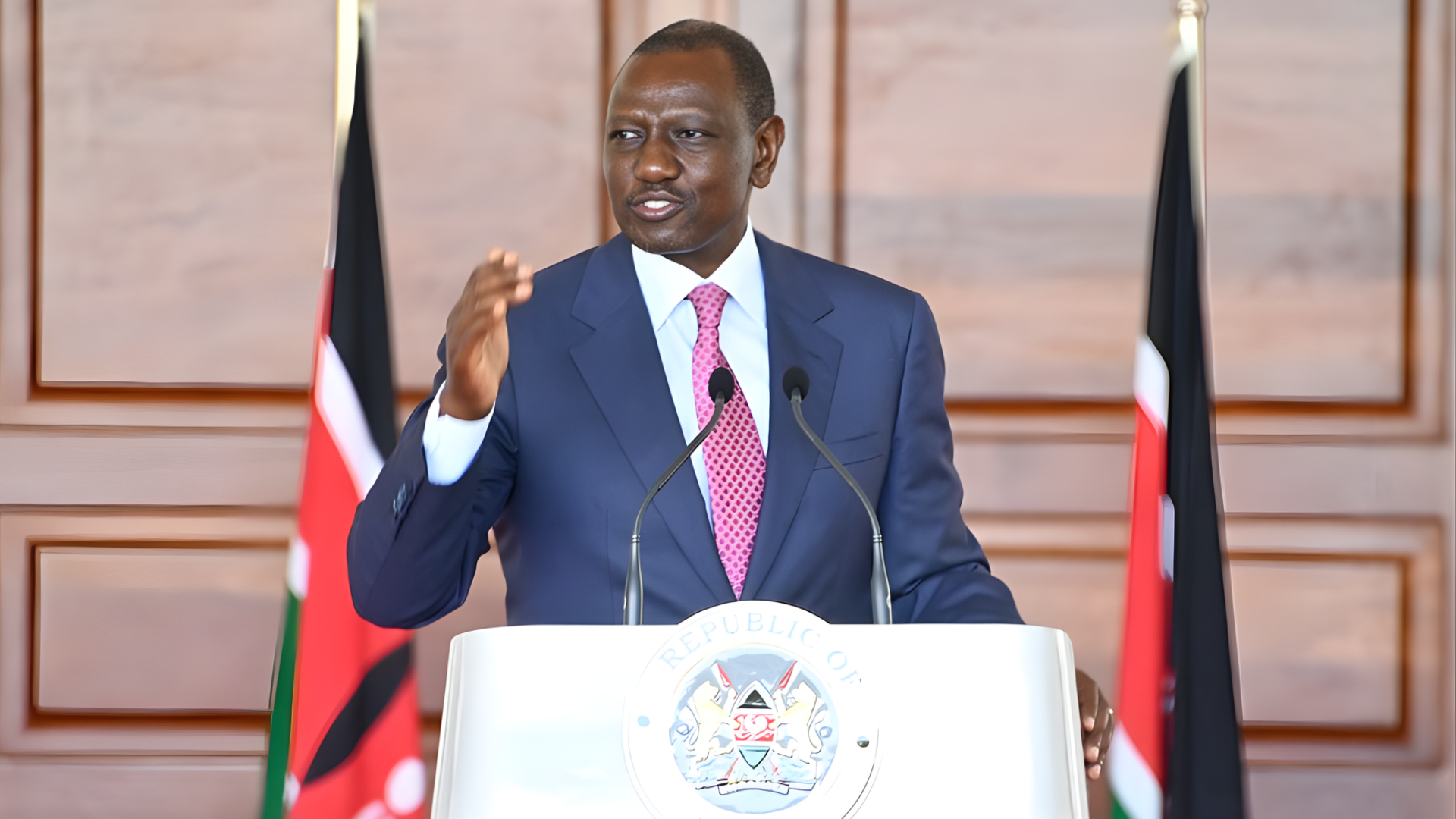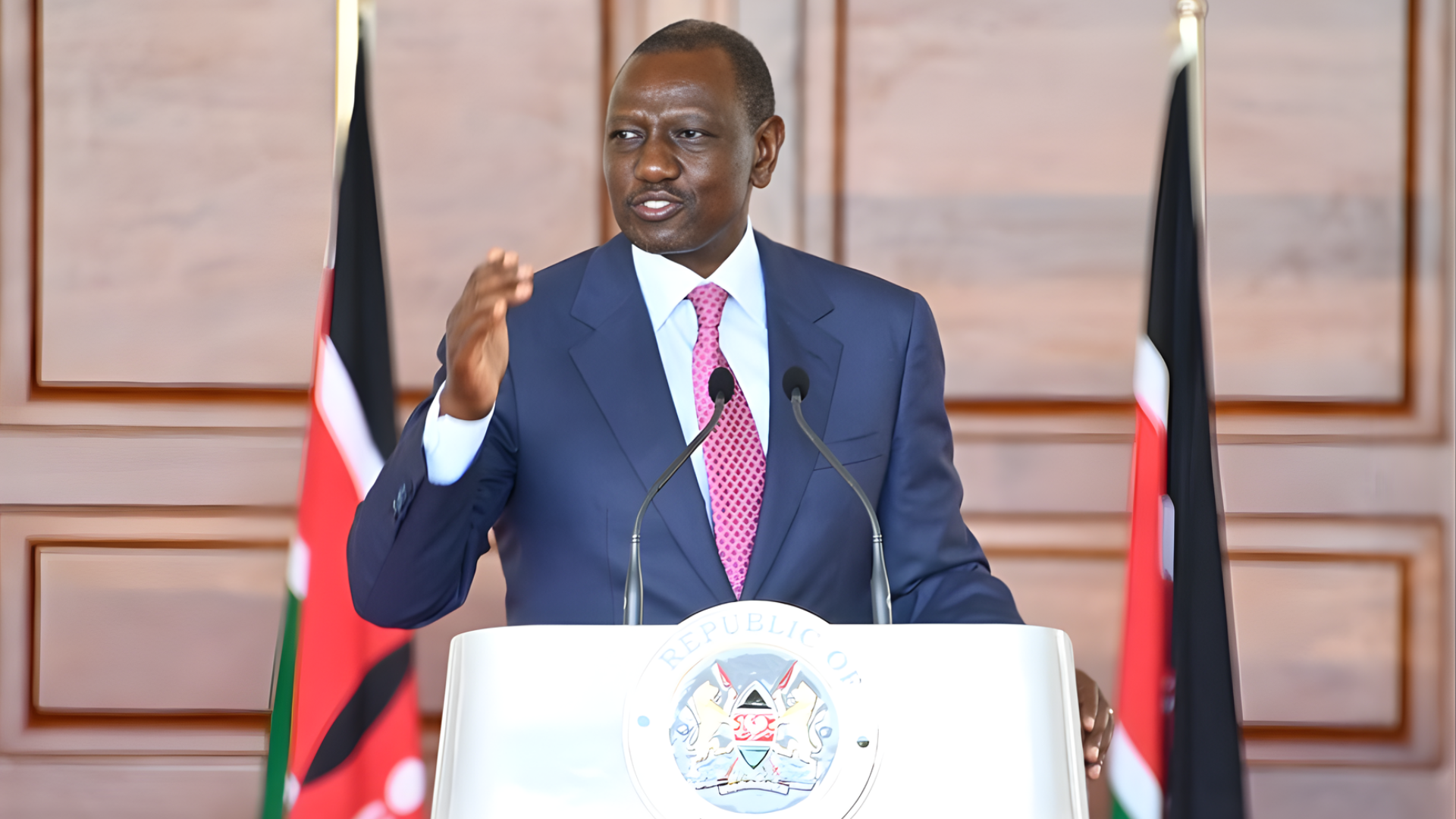
President William Ruto on Saturday inspected the Talanta Stadium construction site along Ngong Road, where the 60,000-seat venue is now over 80% complete and on schedule for handover by March 2026 to serve as one of the key facilities for the 2027 Africa Cup of Nations co-hosted by Kenya, Uganda and Tanzania.
The stadium, renamed Raila Odinga International Stadium, forms the centrepiece of the larger Talanta Sports City project being built by China Road and Bridge Corporation at an estimated cost of KSh 45 billion. The facility features tiered seating, a futuristic ETFE (ethylene tetrafluoroethylene) roof that allows natural light while providing weather protection, and a pitch that is already taking shape.
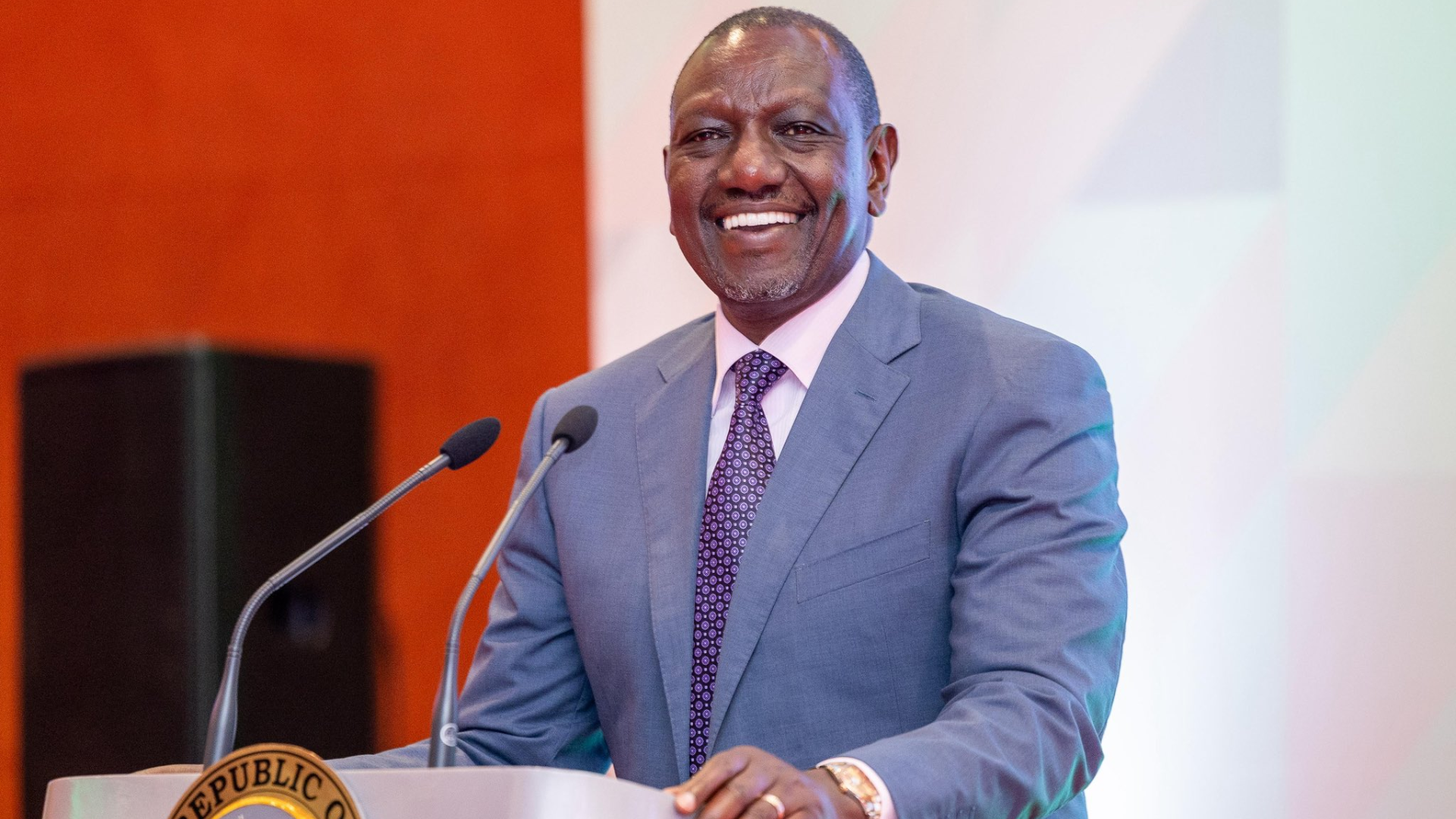
Ruto, accompanied by Sports Cabinet Secretary Ababu Namwamba and project engineers, toured the site and interacted with over 3,000 workers currently on the ground. He described the progress as transformative for Kenya’s sports landscape. “This is not just a stadium; it is a symbol of what Kenya can achieve when we invest in infrastructure and talent,” Ruto said. “By March 2026, we will have a world-class facility ready to host the Africa Cup of Nations and inspire generations of athletes.”
The project has drawn widespread praise for its job creation impact, with more than 3,000 direct workers employed, many from local communities in Nairobi and surrounding areas. Indirect jobs in supply chains, logistics and services are estimated to be several times higher. “This is one of the largest single-site employment initiatives in recent years,” Namwamba noted. “Beyond the stadium, it is putting food on tables and skills in hands.”
The venue’s design incorporates modern elements such as the lightweight, transparent ETFE roof, which reduces the need for artificial lighting and enhances the spectator experience. The pitch is being laid with high-quality hybrid grass to meet FIFA and CAF standards.
Fans have hailed the development online, describing it as a game-changer after nearly 40 years without a major new stadium built to international specifications. “Finally, Kenya will have a proper home for Harambee Stars and big matches,” one supporter posted on social media. “No more playing in half-empty or outdated venues.”
However, the project has also faced criticism over the total cost, with some estimates suggesting it could exceed KSh 100 billion when ancillary infrastructure, land acquisition, utilities and contingencies are included. Opposition leaders have questioned the transparency of financing and procurement. “We support sports development, but Kenyans deserve to know the real cost,” said an Azimio-aligned MP who requested anonymity. “KSh 45 billion for the stadium alone is already enormous—where is the full breakdown?”
Ruto defended the investment, saying it is part of a broader sports transformation agenda. “We are building facilities that will outlive us,” he said. “This stadium will host not just AFCON matches but concerts, international athletics meets and community events. It will generate revenue, create jobs and put Kenya on the global sports map.”
The 2027 Africa Cup of Nations will be jointly hosted by Kenya, Uganda and Tanzania, marking the first time three East African countries have co-hosted the tournament. Kenya is expected to host the opening ceremony and several group-stage and knockout matches at Talanta Stadium and Nyayo National Stadium.
Construction is being overseen by a joint team from China Road and Bridge Corporation, the Sports Ministry and the National Construction Authority. Project manager Li Wei said the team is on track despite challenges like weather and supply chain delays. “We are confident of meeting the March 2026 handover deadline,” Li said. “The roof is 90% complete, seating is progressing rapidly, and the pitch foundation is ready for turf installation in January.”
Local businesses around Ngong Road have reported increased activity due to the workforce. “The project has brought life to the area,” said a nearby shop owner. “More customers, more jobs. We hope it continues after completion.”
As the stadium takes shape, it represents both Kenya’s ambition to host continental events and the ongoing debate over the cost-benefit of mega-infrastructure projects. With AFCON 2027 less than two years away, the focus now shifts to completing the venue and ensuring it meets all CAF and FIFA requirements.