 WEKESA KULECHO
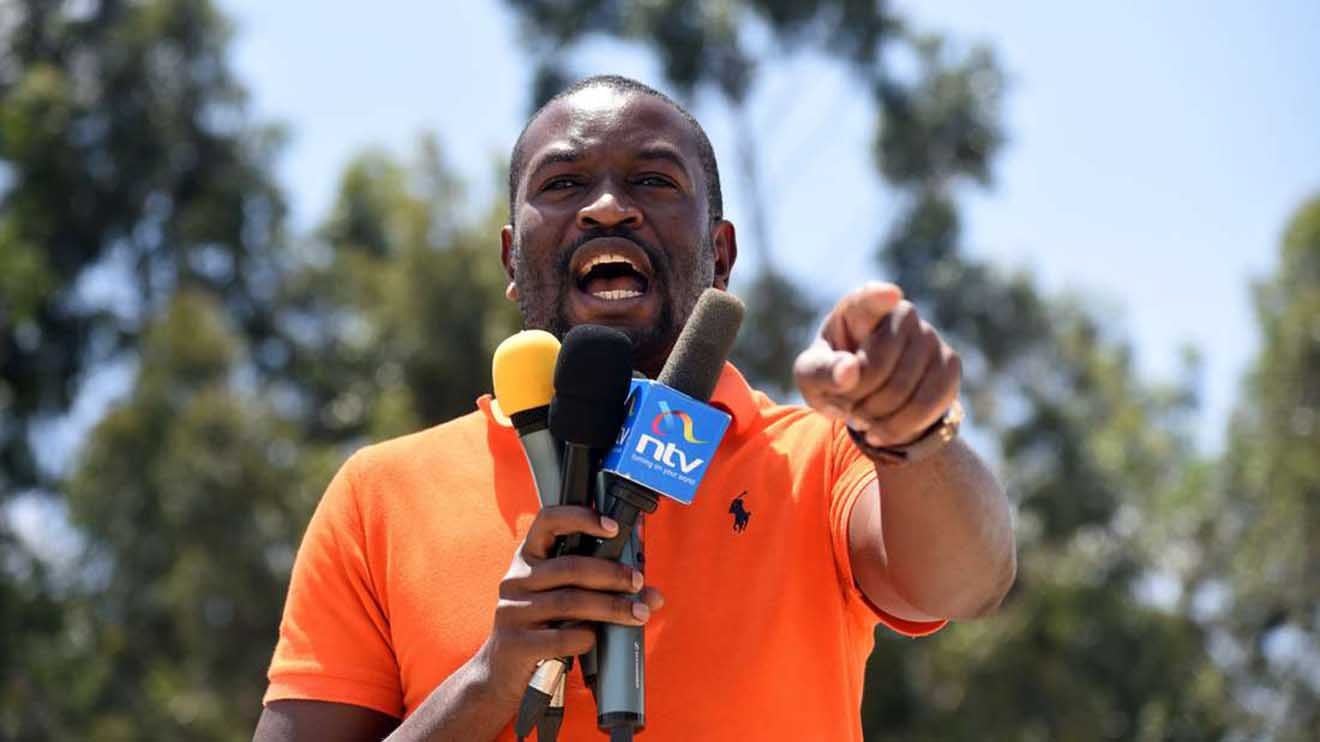
Nairobi Senator and Orange Democratic Movement (ODM) Secretary General Edwin Sifuna has once again placed himself at the centre of Kenya’s rapidly evolving political landscape. What began as a planned rally in Kakamega County quickly became a focal point of political tension — highlighting deepening divisions within the opposition, accusations of state interference, and fierce contestation over grassroots support ahead of the 2027 general elections.
The planned gathering this past weekend represents more than just another campaign stop — it has become symbolic of an intensifying battle for the soul of ODM and the broader opposition movement.
A Rally with High Stakes
Scheduled for Saturday, February 21, in Kakamega, the event was billed as a “mega rally” under Sifuna’s Linda Mwananchi political initiative, which has seen the senator criss-cross the country drawing large crowds and promoting an independent political identity that he argues better represents ordinary Kenyans. The Kakamega rally was expected to attract a mix of grass-roots supporters and high-profile allies from across Western Kenya and beyond.
Local groups in Kakamega, including boda-boda riders, publicly pledged to provide security for Sifuna’s visit, vowing to “guard our son” in the wake of disruptions at a similar event in Kitengela earlier in the week. Riders even issued a warning to authorities, urging that political gatherings be allowed without police interference — a reflection of deep mistrust between opposition supporters and state security forces.
Aftermath of the Kitengela Rally and State Response
The Kakamega rally followed the controversial events of the Kitengela meeting on February 15, where Sifuna and other ODM leaders addressed large crowds as part of the same Linda Mwananchi tour. That gathering collapsed into chaos after police fired tear gas canisters and shots were fired into the air while attempting to disperse attendees.
Interior Cabinet Secretary Kipchumba Murkomen publicly stated that police had not been formally notified about the Kitengela event, a procedural omission authorities said made crowd management challenging. He also claimed that “goons” allegedly brought in from other counties contributed to the unrest, arguing that police had been placed in a difficult position.
At least one fatality was reported — a 28-year-old identified as Vincent Ayomo — with numerous injuries also documented. The manner in which the rally ended has sparked nationwide debate about the rights of citizens to assemble and express political views without fear of violence or state repression.
Sifuna himself accused the state of deliberately targeting peaceful assembly, denouncing the use of tear gas and the destruction of property. In a statement on social platforms, he framed the disruption as an affront to democratic participation and pledged that it would not deter his movement’s momentum.
ODM Internal Divisions Exposed
Compounding the political significance of these events are the deepening rifts within ODM — one of Kenya’s main opposition parties.
Earlier this month, the party’s National Executive Committee (NEC) controversially moved to remove Sifuna from his position as Secretary General. However, this decision was temporarily halted by the Political Parties Disputes Tribunal (PPDT), which issued orders restraining implementation of the removal pending full hearings. This legal victory has bolstered Sifuna’s resolve and given him a platform to assert his faction’s legitimacy.
Critics within the party, including local politicians and some party organs, argue that Sifuna’s actions are destabilising and risk fracturing the ODM coalition when unity is most needed. A representative from Kakamega even claimed Sifuna was not given a fair hearing before his ouster attempt, highlighting widespread dissatisfaction among some regional leaders.
Meanwhile, others have publicly downplayed the Kakamega rally’s legitimacy, with figures like Kakamega’s Deputy Governor asserting that “outsiders” are behind the planned gathering — a suggestion that threatens to paint the event as externally driven rather than rooted in local will.
Condemnation and Political Repercussions
The disruption in Kitengela has drawn criticism from leaders across the political spectrum. Oburu Oginga, ODM party leader, condemned the violence, calling for thorough investigations and accountability from security forces. He argued that the attack on peaceful supporters undermined democratic participation and threatened national initiatives aimed at bipartisan cooperation.
Former Chief Justice David Maraga also weighed into the controversy, accusing the government of orchestrating suppression of opposition activity and suggesting that repeated disruptions reflect an administration in “panic mode.”
On the ground, the events have triggered contentious discussions about civil liberties, the right to political expression, and the role of state power — issues that could have profound implications as Kenya approaches the 2027 election year.
Political Significance and What Comes Next
The weekend’s political theatre in Kakamega is far more than a single rally. It underscores an opposition divided between a party establishment seeking structured negotiations and a rising faction claiming to embody grassroots aspirations. Sifuna’s strategy seems focused on mobilising popular support — even at the risk of open confrontation — as he positions himself and his Linda Mwananchi movement as catalysts for change that challenge both the status quo within ODM and the ruling government’s dominance.
For residents of Kakamega and the wider electorate, the outcome of this showdown may well shape broader political dynamics: who controls the ODM narrative, how opposition coalitions align, and whether the voices of ordinary citizens can translate into tangible power in the 2027 elections.