Kenya’s Parliament has rejected a proposal to increase the national budget allocation for co-hosting the 2027 Africa Cup of Nations from Sh3.5 billion to Sh5 billion, citing inadequate justification and concerns over fiscal discipline.
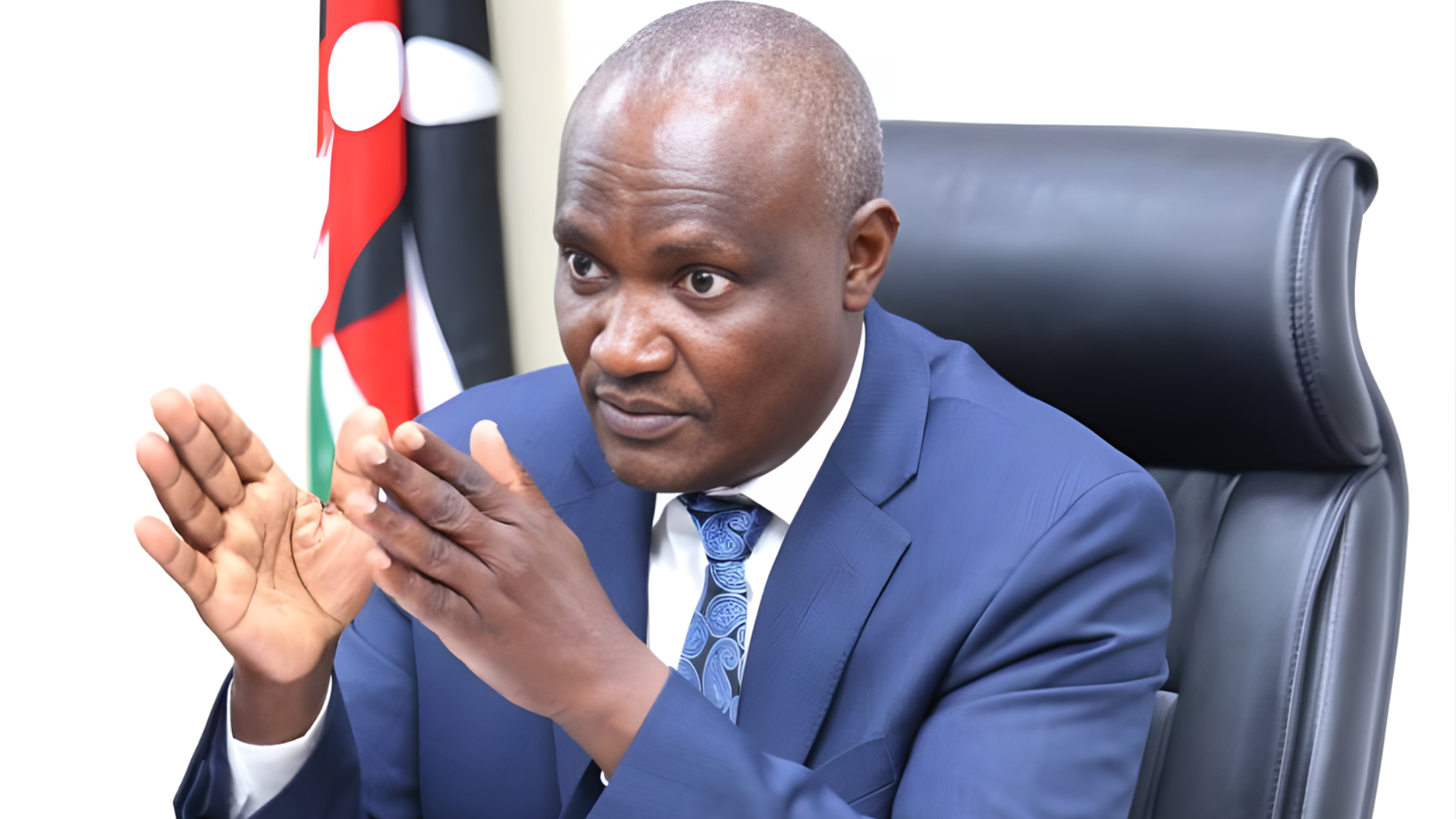
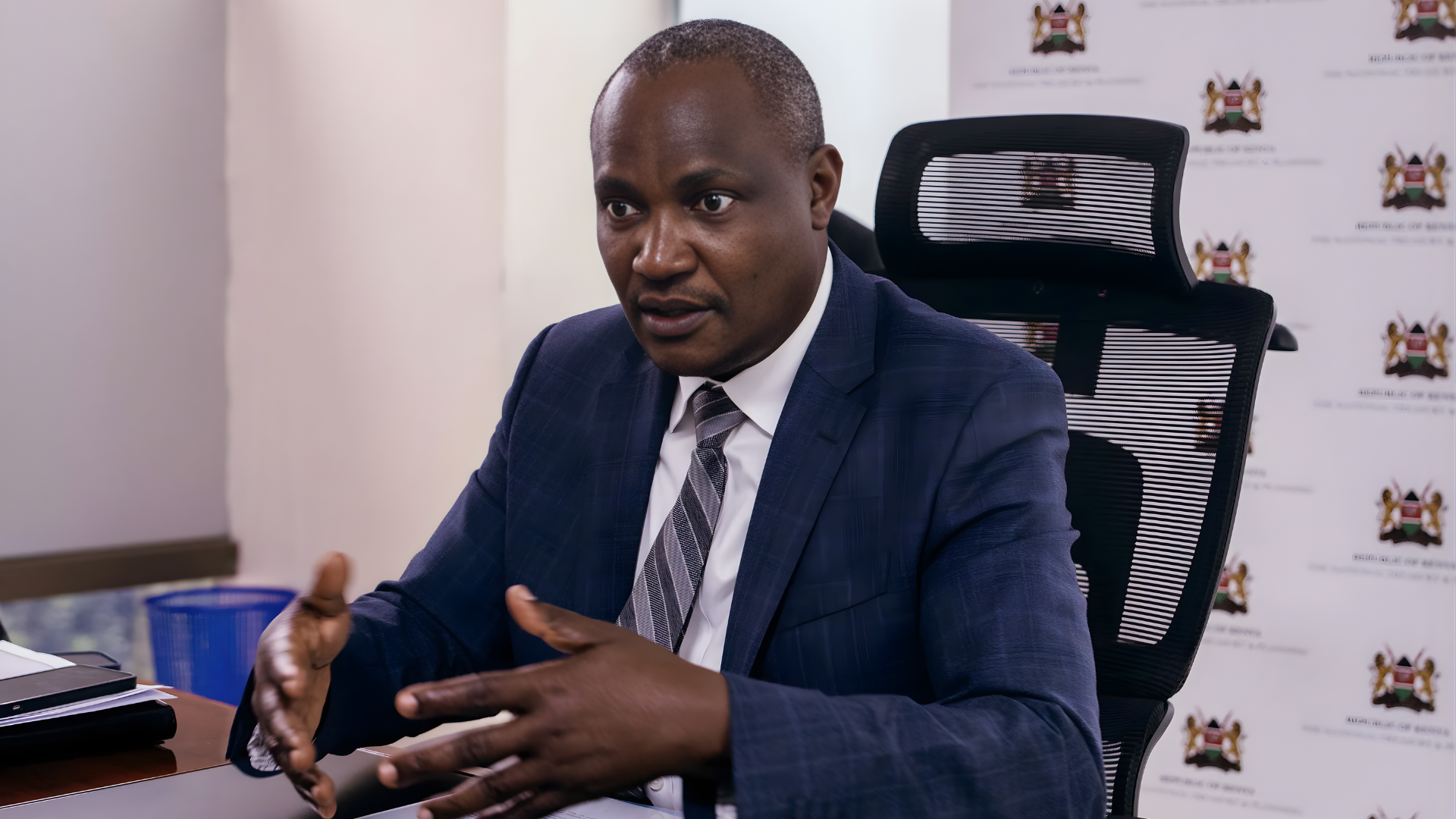
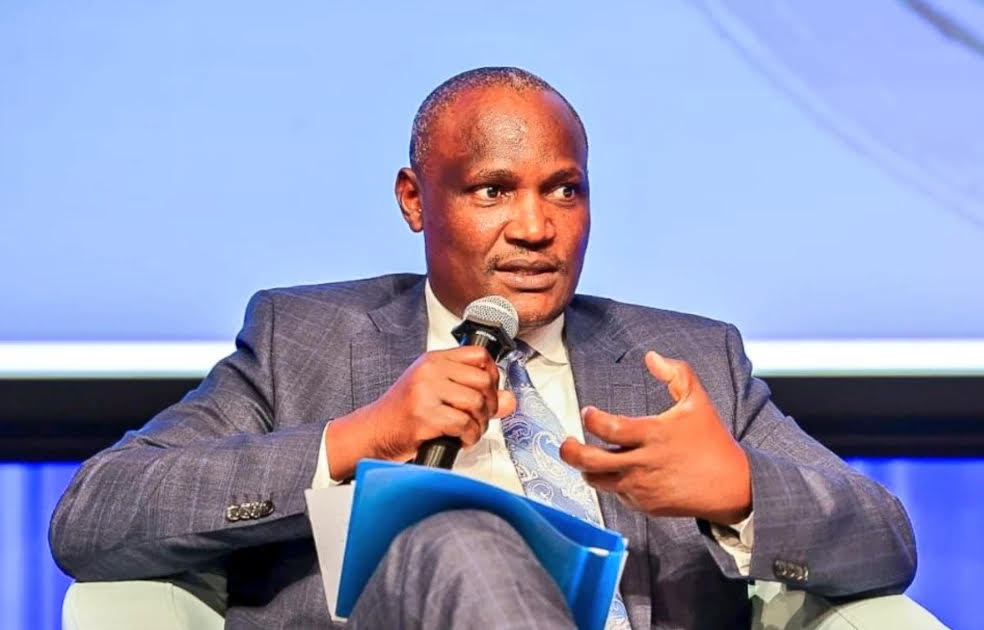
The decision was made during a heated session of the National Assembly’s Finance and National Planning Committee on February 19, 2026, after Sports Cabinet Secretary Ababu Namwamba presented a supplementary request seeking an additional Sh1.5 billion. Committee members, led by Chairperson Molo MP Kuria Kimani, questioned the basis for the escalation, noting that the original Sh3.5 billion had been approved in the 2025/26 budget estimates precisely to cover Kenya’s share of hosting responsibilities alongside Uganda and Tanzania.
“We asked for detailed breakdowns showing why the figure needed to rise by 43 percent in less than a year,” Kimani said during the committee’s report-back session. “The explanations provided were not convincing. There was no clear evidence of cost overruns tied to inflation, scope changes or unforeseen obligations. Parliament cannot approve additional public funds without proper accountability.”
The committee further highlighted that Kenya has not yet remitted the initial Sh3.5 billion hosting fee pledged to the Confederation of African Football (CAF) during the bid process. CAF requires host nations to pay a commitment fee upfront to secure rights and begin infrastructure preparations. “If we have not even paid the agreed Sh3.5 billion, how can we justify asking for more?” one MP asked during deliberations.
Namwamba defended the request, arguing that evolving CAF technical requirements, stadium upgrade specifications and joint-host coordination costs had driven expenses higher than initially projected. “The AFCON budget is dynamic,” Namwamba told the committee. “We are dealing with international standards that continue to evolve. The additional funds are needed to meet CAF deadlines and deliver world-class facilities.”
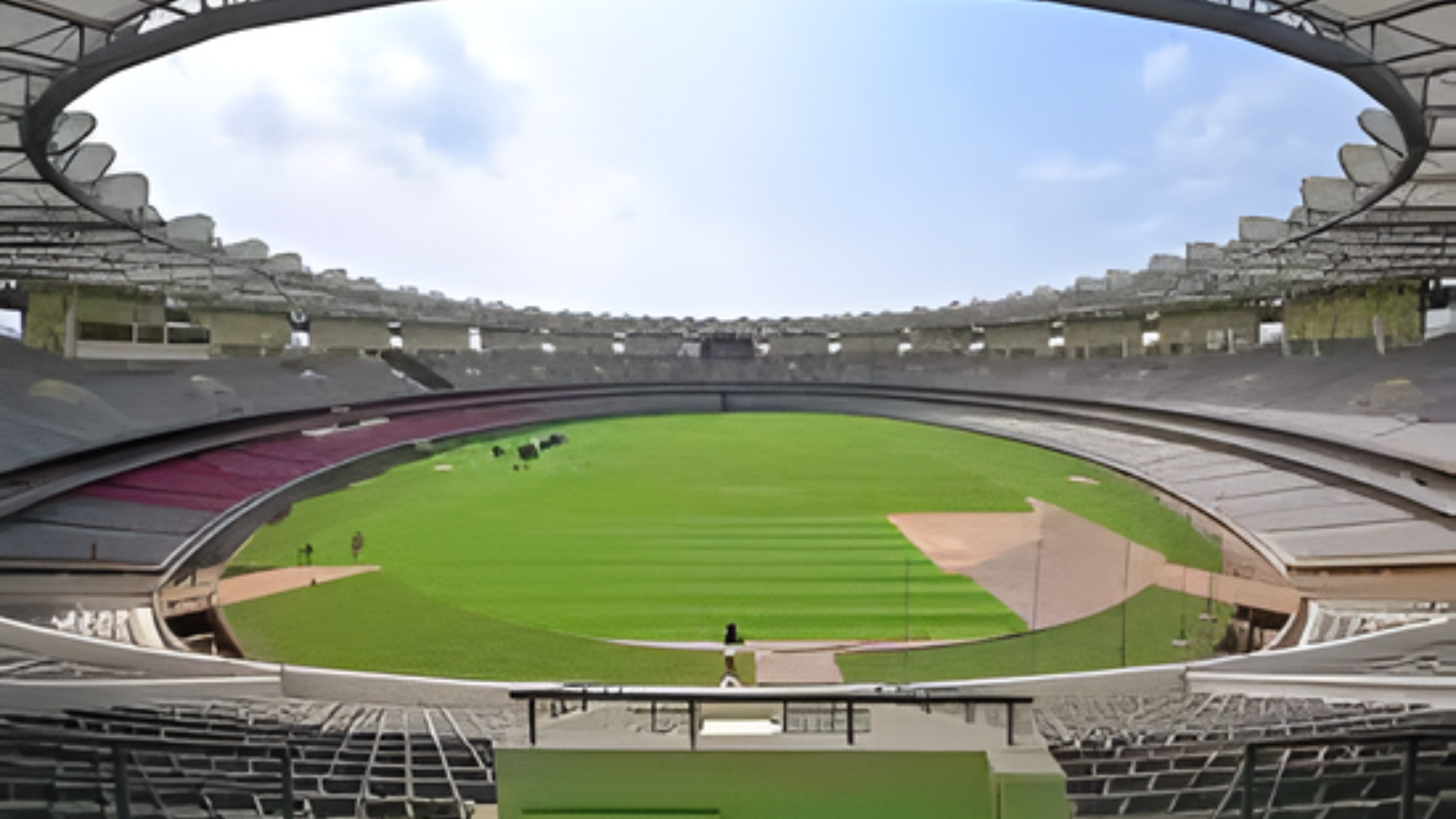
The Cabinet Secretary also pointed to ongoing work at Kasarani, Nyayo National Stadium and the new Thika Stadium as evidence of progress. “We are not asking for blank cheques,” he said. “Every shilling will be accounted for through audited reports and joint monitoring with CAF and our co-hosts.”
Despite the presentation, the committee maintained that no compelling case had been made for the increment. The report, adopted by the National Assembly for debate, recommends maintaining the original Sh3.5 billion allocation while directing the Sports Ministry to submit a comprehensive cost-benefit analysis and updated expenditure plan before any supplementary requests are reconsidered.
The rejection has renewed scrutiny over Kenya’s readiness to co-host the tournament alongside Uganda and Tanzania. CAF has repeatedly warned that host nations must meet infrastructure and financial commitments on time, or risk losing hosting rights or facing penalties. Kenya is responsible for upgrading Kasarani and Nyayo stadiums to 60,000 and 40,000 capacity respectively, constructing a new regional stadium and ensuring training facilities meet CAF standards.
Sports stakeholders expressed concern over the funding deadlock. Kenya Football Coaches Association Chairman Zedekiah Otieno said: “We support fiscal responsibility, but we cannot afford to lose AFCON. The government must find a way to honour the commitment without further delays.”
Opposition MPs used the debate to criticise the administration’s handling of major sporting events. Minority Leader Opiyo Wandayi said: “Kenyans are being asked to tighten belts while billions are spent on vanity projects. If we cannot pay Sh3.5 billion for AFCON, how will we manage the real costs of hosting?”
The Treasury has not commented publicly on the committee’s decision but sources indicate it may explore alternative financing options, including private sector partnerships or reallocations within the current budget. CAF is expected to review host progress during its next inspection visit scheduled for mid-2026.
The original Sh3.5 billion allocation remains intact in the 2025/26 budget estimates, earmarked for stadium renovations, training camps, security coordination and marketing. Whether the government will return to Parliament with a revised justification or absorb the shortfall internally remains unclear.
As the 2027 tournament approaches, the funding impasse has heightened pressure on Kenya to demonstrate both fiscal prudence and readiness to deliver on its hosting promise.