Kenya Revenue Authority has disclosed that only about 7 million individuals and businesses are actively paying taxes out of more than 22 million registered holders of Personal Identification Numbers.
The figures, released in KRA’s mid-year performance update for the 2025/26 financial year, highlight a persistent gap between registration and compliance. Commissioner-General Humphrey Wattanga explained that the majority of the 15 million non-paying PIN holders are either individuals or small operators in the informal sector who register mainly to access formal services—such as opening bank accounts, applying for government tenders, obtaining business permits or using mobile money platforms—but do not generate taxable income or choose to file nil returns.
“Out of 22 million registered PINs, roughly 7 million are filing returns and remitting taxes consistently,” Wattanga said during a stakeholder engagement session in Nairobi on February 20, 2026. “The rest are either dormant, filing nil returns because their earnings fall below taxable thresholds, or simply not filing at all. This narrow active base puts heavy pressure on the compliant taxpayers and limits our ability to fund national priorities without excessive borrowing.”
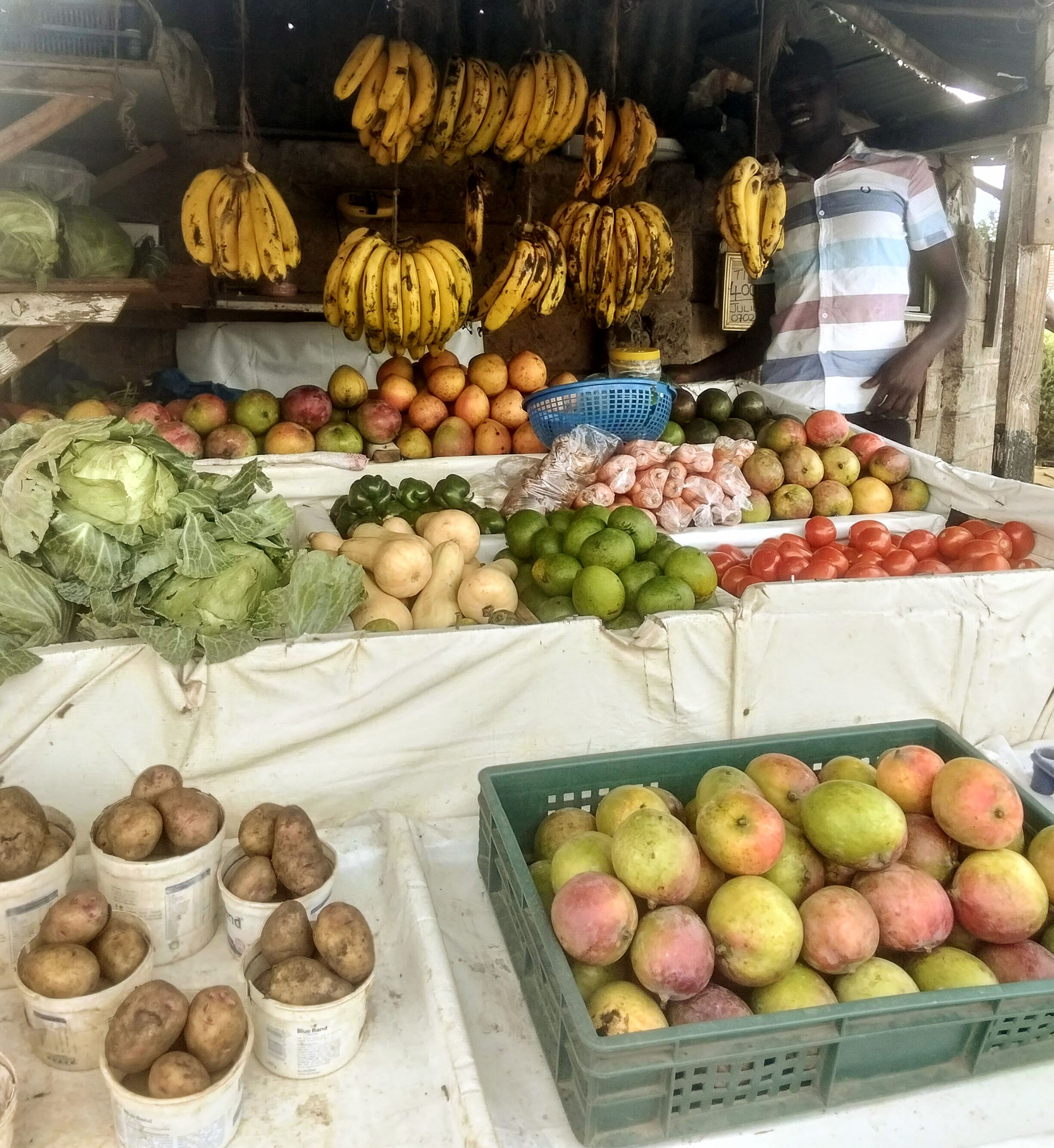
KRA data shows that the 7 million active contributors shoulder the bulk of domestic revenue through Pay As You Earn deductions, corporation tax, value added tax, excise duty and other levies. Informal sector participants—who account for an estimated 80 percent of total employment in Kenya—remain largely outside the net due to low individual earnings, lack of formal bookkeeping, seasonal or irregular income and cultural resistance to taxation in cash-based economies.
The authority has launched an aggressive nationwide campaign to expand the active taxpayer base from the current 7 million to 11.5 million by June 2027. The target is directly linked to the 2025/26 revenue goal of KSh 2.968 trillion set by the National Treasury, which requires sustained growth in domestic collections to reduce reliance on debt financing and meet expenditure demands in health, education, infrastructure and debt servicing.
Wattanga outlined the multi-pronged strategy to achieve the 4.5 million increase in active filers. “We are rolling out simplified presumptive tax regimes tailored for small traders, jua kali artisans, boda boda operators, market vendors and other informal micro-businesses,” he said. “These regimes use turnover-based flat rates or fixed amounts that are easy to calculate and pay, with minimal record-keeping requirements. We have also introduced mobile onboarding, pre-filled returns and WhatsApp filing to make compliance faster and less intimidating.”
KRA has already registered over 1.2 million new or reactivated taxpayers in the past six months through partnerships with county governments, saccos, chamas, market associations, transport saccos and digital platforms. The authority is using data matching from NTSA vehicle registrations, county business permits, mobile money transactions and Huduma Centre records to identify unregistered or non-filing entities and send personalised compliance reminders.
“We are not going after mama mboga with punitive measures,” Wattanga assured. “Our focus is voluntary compliance for small earners and stricter enforcement on high-net-worth individuals, large corporations and serial evaders who exploit loopholes. We have waived penalties for first-time voluntary filers and are offering free training on basic record-keeping.”
Small business owners have welcomed the simplified regimes but urged KRA to address double taxation complaints and enforcement fairness. A Nairobi second-hand clothes vendor said: “If the tax is small and predictable, most of us will pay. But when county askaris demand bribes on top of KRA taxes, it feels like we are being punished twice.”
Economists say expanding the taxpayer base is essential for long-term fiscal health. Kenya’s tax-to-GDP ratio remains below the sub-Saharan African average, constraining the government’s ability to fund development without borrowing. “Broadening the base reduces the burden on the few who currently pay and creates a more resilient revenue stream,” said economist Dr David Ndii. “But success depends on trust—people will comply if they see taxes translating into visible services like better roads, hospitals and schools.”
KRA has also strengthened enforcement through AI-driven risk profiling, bank account matching and partnerships with county governments to harmonise business permits and taxes. Non-filers face escalating penalties, including restrictions on government services, tender bans and asset attachment in extreme cases.
The authority has promised regular progress updates on the 11.5 million target. “By June 2027, we expect to have transformed the compliance landscape,” Wattanga concluded. “A wider, fairer tax base will give Kenya the fiscal space to invest in its people and future.”
As the campaign intensifies, the coming months will test whether digital tools, simplified regimes and public education can finally bring millions of informal operators into the formal tax system without alienating small earners.