A member of the Orange Democratic Movement, Frankline Juma, has filed a case at the Political Parties Disputes Tribunal seeking to halt the party’s planned National Delegates Conference on the grounds that internal party elections have not been fully completed.
Juma lodged the petition earlier this week, claiming that several key party positions at the branch, sub-county and county levels remain unfilled or disputed following the recent round of grassroots polls. He argues that convening the NDC without resolving these gaps would violate the ODM constitution, which requires that all elective positions be filled before a national conference can legitimately take place.
“The party cannot hold a National Delegates Conference when branches and counties are still battling over who their legitimate officials are,” Juma stated in the court documents. “Doing so would disenfranchise genuine delegates and open the door to further litigation and division. I am asking the tribunal to issue conservatory orders stopping the conference until the internal elections are concluded and all disputes settled.”
The case comes at a delicate time for ODM as it navigates a transitional phase following the passing of its founding leader Raila Odinga in October 2025. The planned NDC is expected to ratify key decisions on party leadership structure, policy direction and potential alliances ahead of the 2027 general election. Party leader Oburu Oginga has been working to unify the organisation and prepare it for the post-Raila era, but tensions have persisted between factions advocating for continuity of Raila’s hardline opposition stance and those favouring more pragmatic engagement with the ruling coalition.
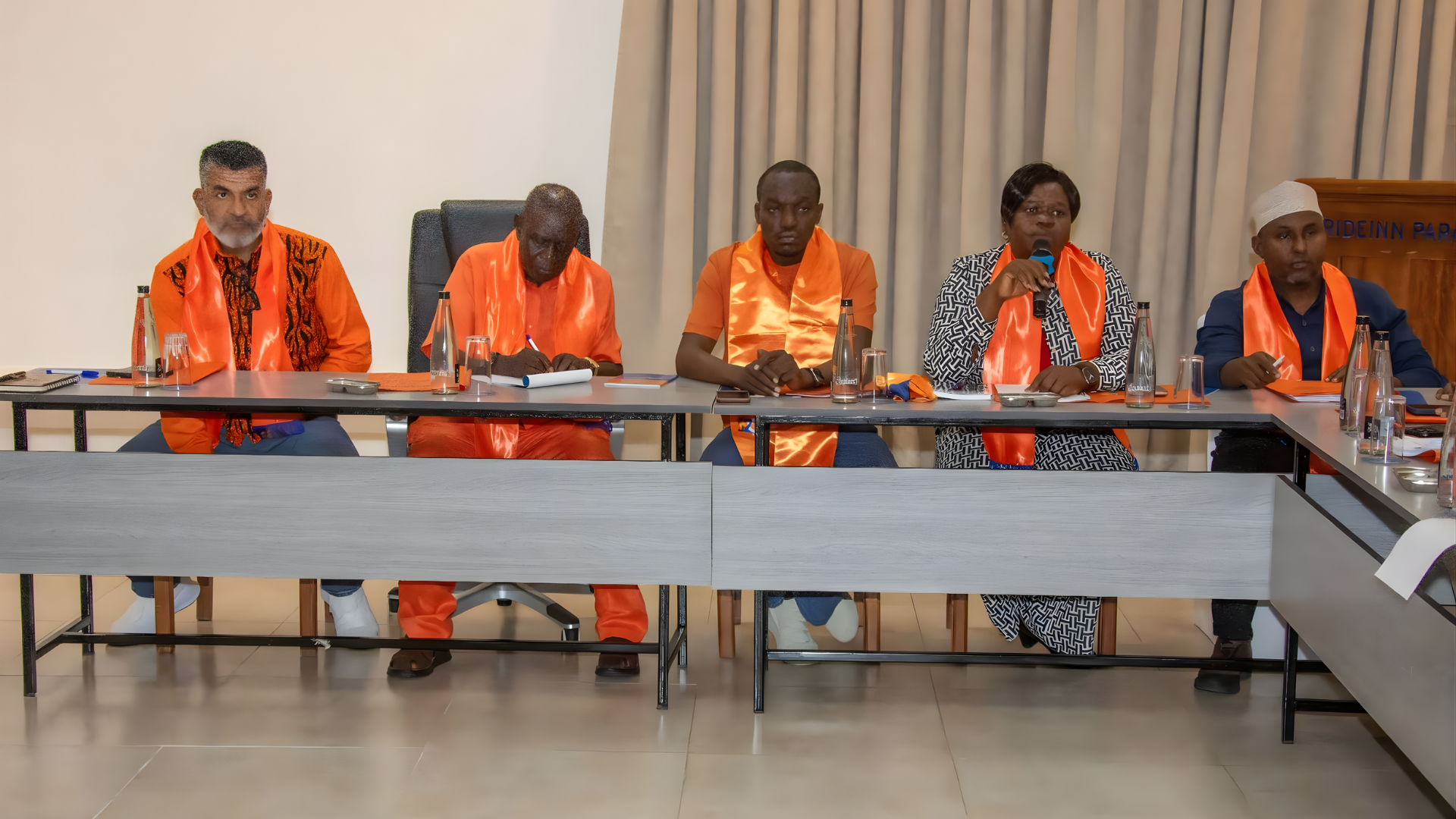
In response to the petition, Oburu Oginga has publicly called for mediation rather than prolonged litigation. Speaking to journalists after a party meeting in Nairobi, Oburu said: “We respect the right of any member to seek redress through the tribunal, but court battles are expensive and divisive. I urge Frankline and all concerned parties to come to the table for mediation. We can resolve these internal election disputes through dialogue and consensus. The party’s strength lies in unity, not in fighting each other in court.”
The ODM leadership has already initiated informal talks with Juma and other aggrieved members, with a view to finding a middle ground that allows the NDC to proceed while addressing legitimate grievances. Sources close to the party say Oburu is keen to avoid a prolonged legal standoff that could delay critical decisions and weaken ODM’s position ahead of 2027.
The Political Parties Disputes Tribunal has acknowledged receipt of the petition and is expected to issue directions on whether to grant interim conservatory orders halting the NDC. A preliminary hearing is anticipated within the next two weeks. If the tribunal rules in Juma’s favour, the conference could be postponed pending completion of the grassroots polls and resolution of all pending disputes.
The case highlights the challenges facing ODM as it transitions from a personality-driven movement centred on Raila Odinga to an institutional party capable of surviving without its founding leader. Internal elections at the lower levels have been marred by allegations of irregularities, interference by national leaders and disputes over delegate lists, prompting several court cases across the country.
Party insiders say the planned NDC is crucial for ratifying a new leadership structure, updating the party constitution to reflect current realities and charting a clear path on whether ODM will maintain a hardline opposition stance or explore cooperation with the Kenya Kwanza administration on select issues. “The conference is not optional,” one senior ODM official said. “It is the forum where the party renews its mandate and sets its direction for the next five years. Delaying it risks paralysis at a time when we need to be decisive.”
Frankline Juma and his supporters maintain that proceeding without fully constituted lower organs would undermine the legitimacy of any decisions taken at the NDC. “We are not against the conference,” Juma said. “We are against a flawed process. Let us first complete the elections at the branch and county levels so that the delegates who attend truly represent the will of the members.”
The tribunal’s ruling will have far-reaching implications not only for ODM but for the broader political landscape. A postponement could delay the party’s preparations for 2027, while a dismissal of the petition would allow Oburu to push ahead with his consolidation agenda, potentially at the cost of alienating grassroots voices.
As the case proceeds, both sides have appealed for calm among supporters to avoid escalating tensions that could spill into violence or further legal battles. The outcome will likely shape ODM’s trajectory in the post-Raila era and its ability to remain a cohesive and competitive force in Kenyan politics.