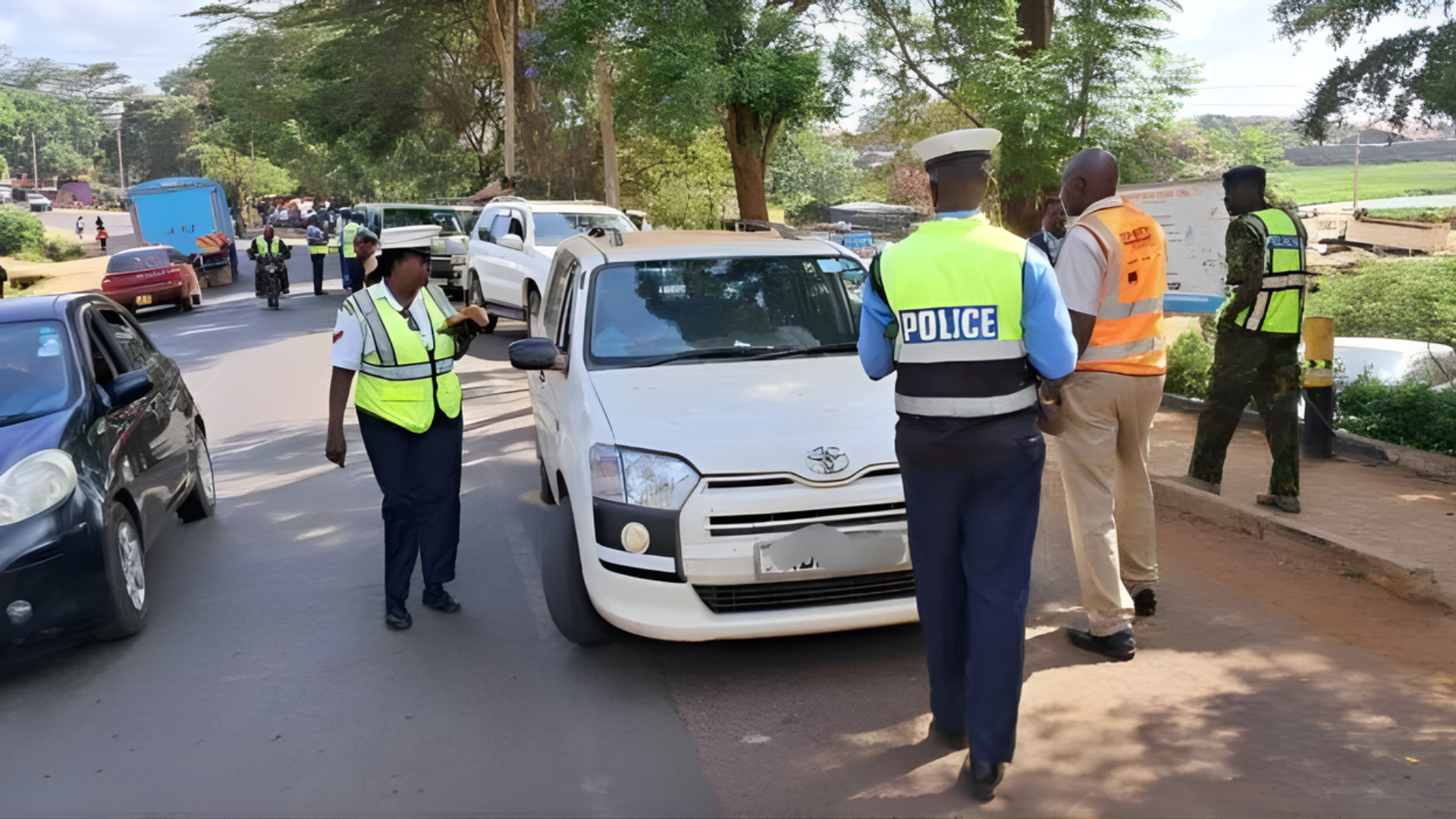
The National Transport and Safety Authority (NTSA) has published the specific speed limits that will be enforced on major roads in and around Nairobi under the newly launched Instant Fines Traffic Management System. Motorists who exceed these limits will receive automatic SMS violation notices and face fines of up to KSh 10,000, with additional penalties including interest after seven days and a full block on all NTSA platform transactions until the fine is settled.
The limits, which took effect with the rollout of the digital enforcement platform, vary according to road class, design speed, traffic density and safety history. Below are the enforceable speed limits on key corridors:
- Safari Park to Thika Road: 110 km/h (this section remains the highest-speed zone on the Thika Superhighway)
- Jomoko to Thika Turnoff: 80 km/h
- Allsops / GSU HQ to Thika Road: 80 km/h
- Pangani / Muthaiga Interchange to Thika Road: 80 km/h
- Roysambu / TRM to Thika Road: 80–100 km/h (variable depending on section and signage)
- Southern Bypass to Virtual Weighbridge: 80 km/h
- Ngong Road Interchange to Southern Bypass: 80 km/h
- Northern Bypass to after Gitaru: 80 km/h
- Ruaka / Wangige to Northern Bypass: 80 km/h
- Expressway from Museum Hill to Westlands: 80 km/h
- After Nyayo Stadium to Expressway: 80 km/h
- Mombasa Road to Nyayo Stadium: 80 km/h
- Sameer Business Park / GM to Mombasa Road: 80 km/h
- Cabanas / JKIA to Mombasa Road: 80 km/h
- Waiyaki Way from Kangemi / Uthiru: 60–80 km/h (lower limit applies in built-up zones)
NTSA Director-General Francis Meja said the limits were set after detailed engineering studies, crash data analysis and stakeholder consultations. “These are not arbitrary numbers,” Meja explained. “They reflect the safe operating speed for each road’s geometry, traffic volume, pedestrian activity, accident history and presence of speed calming features. The Instant Fines system ensures these limits are enforced consistently and transparently—no more roadside discretion.”
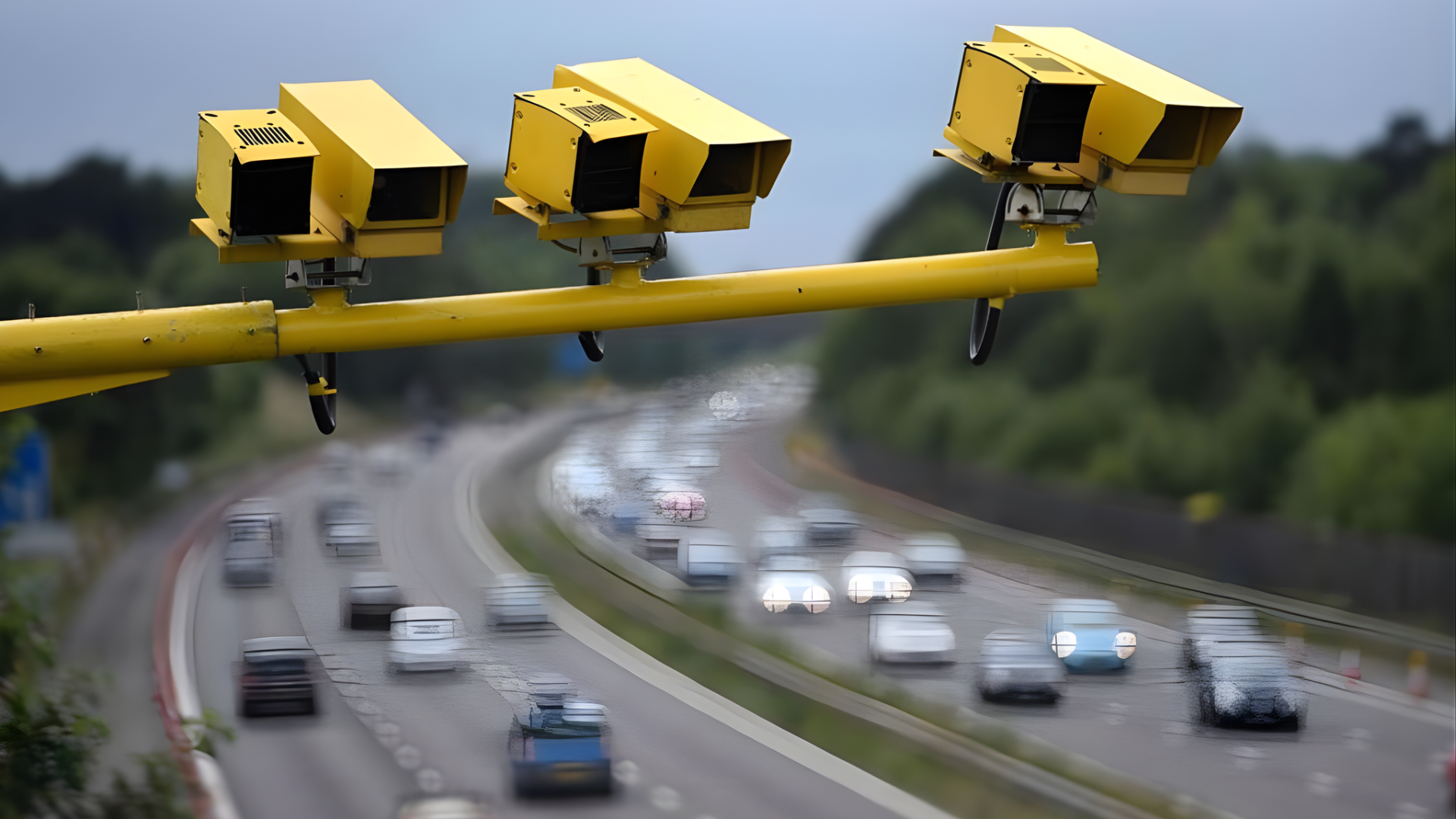
The authority has installed additional speed-limit signage, radar speed signs and average-speed cameras on most of the listed corridors. Motorists are advised to obey posted signs at all times, as these override general limits in specific zones (for example, construction sites, school areas or sharp curves).
Failure to comply will trigger an instant SMS notice containing the offence details, fine amount and payment instructions. Fines must be paid within seven days via KCB Bank using the reference number provided. After the deadline, interest accrues and the vehicle is flagged in the NTSA database, blocking licence renewal, ownership transfer, inspection certificate issuance and other services until the fine is cleared.
NTSA has urged motorists to familiarise themselves with the limits and to use the free USSD code *222# or the NTSA online portal to check their vehicle’s violation status at any time. “Ignorance of the law is no defence,” Meja warned. “With the Instant Fines system, every violation is recorded and linked to the vehicle owner. The best way to avoid a fine is to drive within the prescribed limits.”
The new limits have drawn mixed reactions. Commuters on high-speed corridors like the Thika Superhighway welcomed the clarity, while some drivers on Waiyaki Way and Mombasa Road complained that 60–80 km/h feels too restrictive during off-peak hours. “Traffic flows smoothly at 100 km/h on Waiyaki Way when there are no jams,” one commuter said. “Dropping to 60 km/h in some sections will cause more congestion, not less.”
Road safety advocates have largely supported the move. “Speed is the number-one killer on Kenyan roads,” said a representative from the National Transport Safety Council. “Lowering limits on urban and peri-urban corridors, backed by automatic enforcement, is proven to save lives. The 80 km/h cap on most major highways is appropriate given the high pedestrian activity and frequent side roads.”
NTSA has promised ongoing monitoring and adjustments where data shows the limits are either too lenient or overly restrictive. The authority has also appealed to motorists to report faulty or missing speed-limit signs so corrections can be made quickly.
With the Instant Fines system now live and speed enforcement fully digital, Kenyan drivers are entering a new era of stricter, more predictable traffic regulation. Whether the changes will significantly reduce road crashes and fatalities will become clearer in the coming months as compliance data and accident statistics are released.