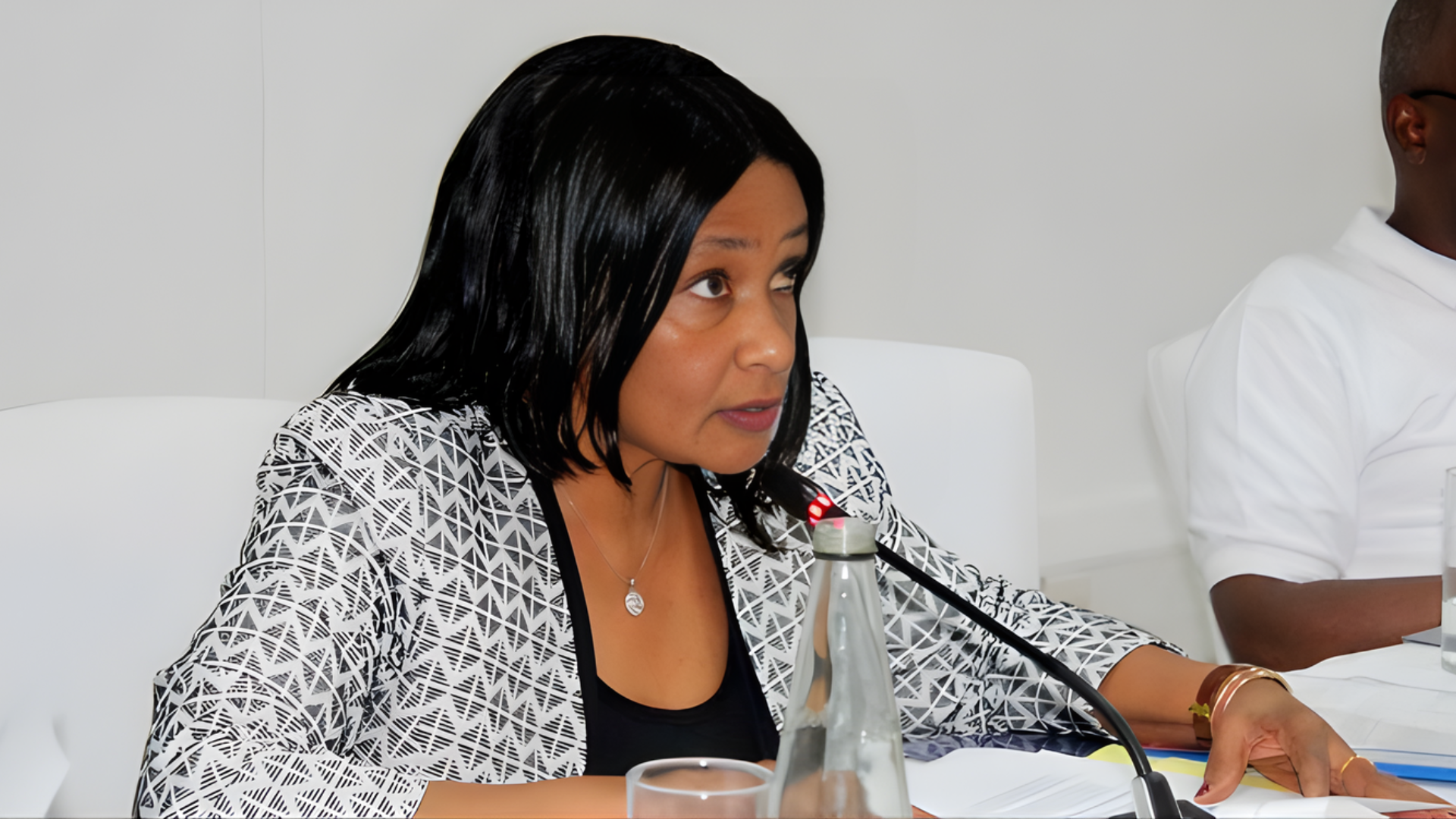
Nakuru Governor Susan Kihika has come under heavy online criticism following the launch of luxury apartments in Nairobi’s upscale Loresho area, with many Kenyans questioning why a high-end private real estate project appears to receive significant attention while basic infrastructure and services in Nakuru County reportedly remain neglected.
The event, held on February 14, 2026, saw the governor officiate the unveiling of the modern residential units developed by a company linked to her husband, businessman Sam Mburu. Photos and videos from the launch showed Kihika cutting the ribbon, touring the facilities and posing with developers and guests inside the sleek apartments featuring panoramic views, swimming pools, gyms and premium finishes.
Within hours, social media platforms flooded with angry reactions. Many users accused the governor of misplaced priorities, pointing out the stark contrast between the gleaming Nairobi development and persistent challenges in Nakuru. “Roads in Nakuru are full of potholes, hospitals have no drugs, yet the governor is busy launching luxury apartments in Nairobi,” one widely shared post read. Another user wrote: “Nakuru residents are struggling with muddy paths after rain, but Loresho gets shiny towers. Where are our taxes going?”
Critics also referenced Kihika’s first-term record, noting that her maternity leave in 2024 had disrupted momentum on some flagship programmes. However, official county records show progress under the Imarisha Barabara road rehabilitation initiative, which has paved several rural roads, and ongoing distribution of pyrethrum seedlings to farmers as part of agricultural revival efforts.
Despite the backlash, no evidence has emerged linking county public funds to the Loresho project, which is privately financed through Mburu’s real estate portfolio. County officials have repeatedly stated that the development is a personal family business venture unrelated to Nakuru’s budget.
Governor Kihika has not directly addressed the criticism but her office issued a brief statement defending her right to participate in private sector activities outside official duties. “The governor’s involvement in the launch was in her personal capacity as a supportive spouse,” the statement read. “Nakuru County continues to prioritise infrastructure, health and agriculture as demonstrated by ongoing projects across wards.”
The controversy has reignited broader debate about governors’ focus and dual roles. Many Kenyans online argued that elected leaders should concentrate on their counties rather than high-profile urban projects in Nairobi. “Why is a Nakuru governor launching apartments in Loresho instead of fixing roads in Njoro or Solai?” one commenter asked. Others accused politicians of using public office to build personal wealth and networks in the capital while neglecting rural constituents.
Political analysts say the timing—less than two years to the 2027 elections—is particularly damaging. “This plays directly into the narrative of governors being absentee leaders who prefer Nairobi’s elite circles over their own counties,” said Dr Martin Ouma. “Even if the project is private, the optics are terrible. Voters will remember the ribbon-cutting photos when they assess her performance on core county mandates.”
Supporters of the governor have defended her, arguing that private business activities should not disqualify public officials and that Nakuru has recorded measurable progress. “She has delivered on roads, water projects and pyrethrum revival despite challenges,” one supporter posted. “People should judge her on county results, not on what her husband does in Nairobi.”
The apartments, marketed as premium gated community units, have been positioned as an investment opportunity for middle- and upper-class buyers seeking secure, modern living outside the city centre. Developers say the project aligns with growing demand for quality housing in Nairobi’s western suburbs.
As online criticism continues to trend under hashtags such as #NakuruFirst and #AbsentGovernor, the episode underscores the heightened scrutiny governors face in the digital age. With 2027 approaching, public perception of development priorities could play a decisive role in re-election campaigns.