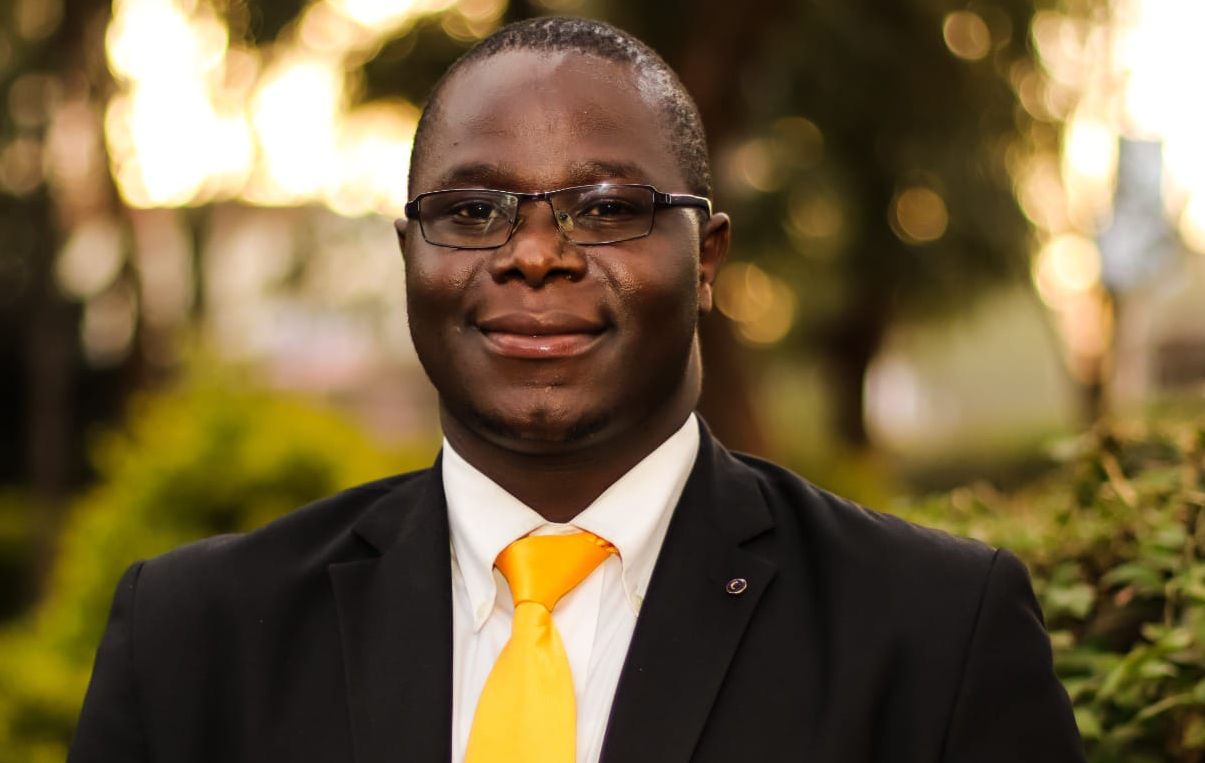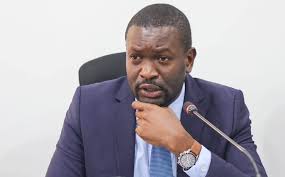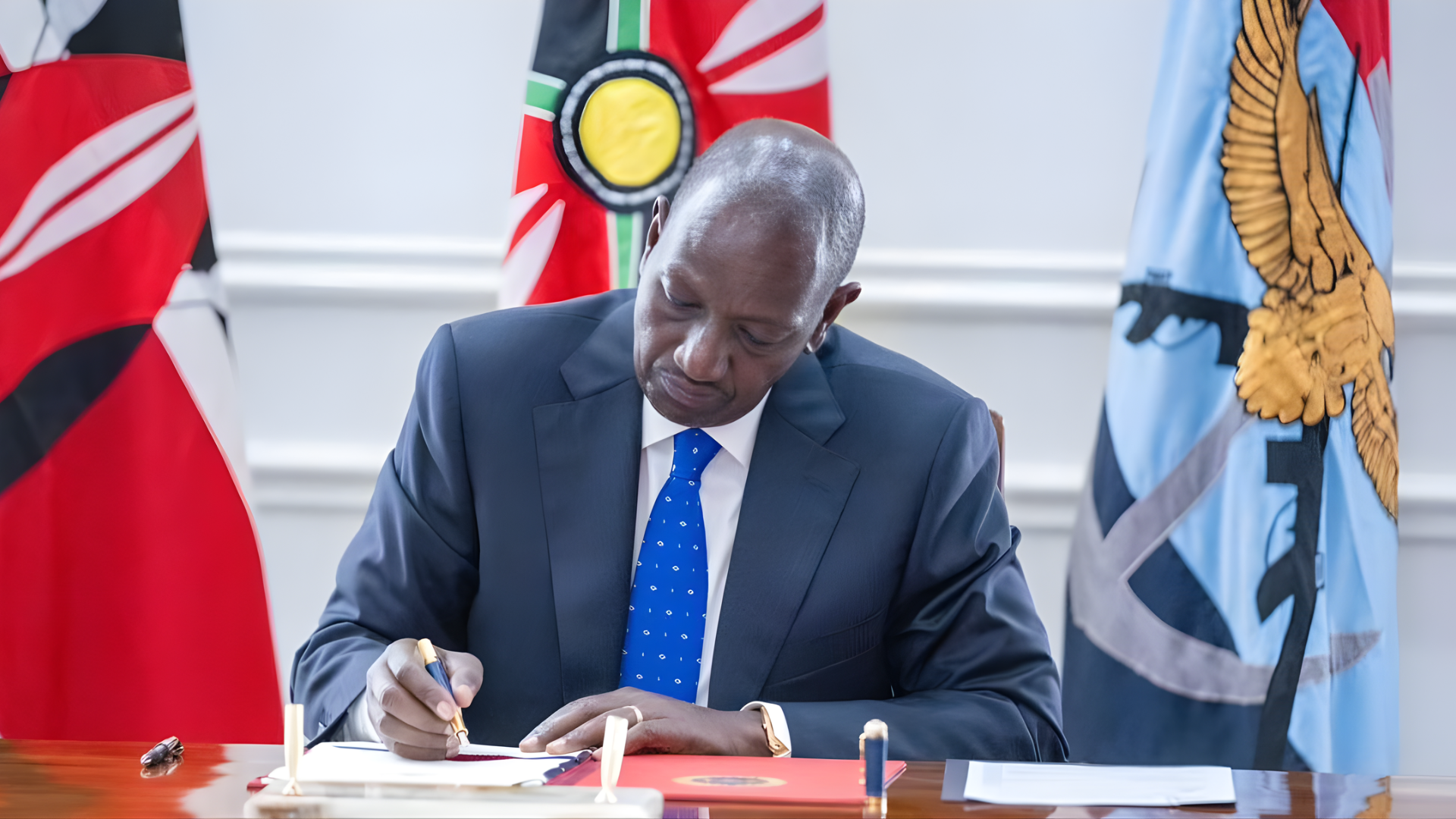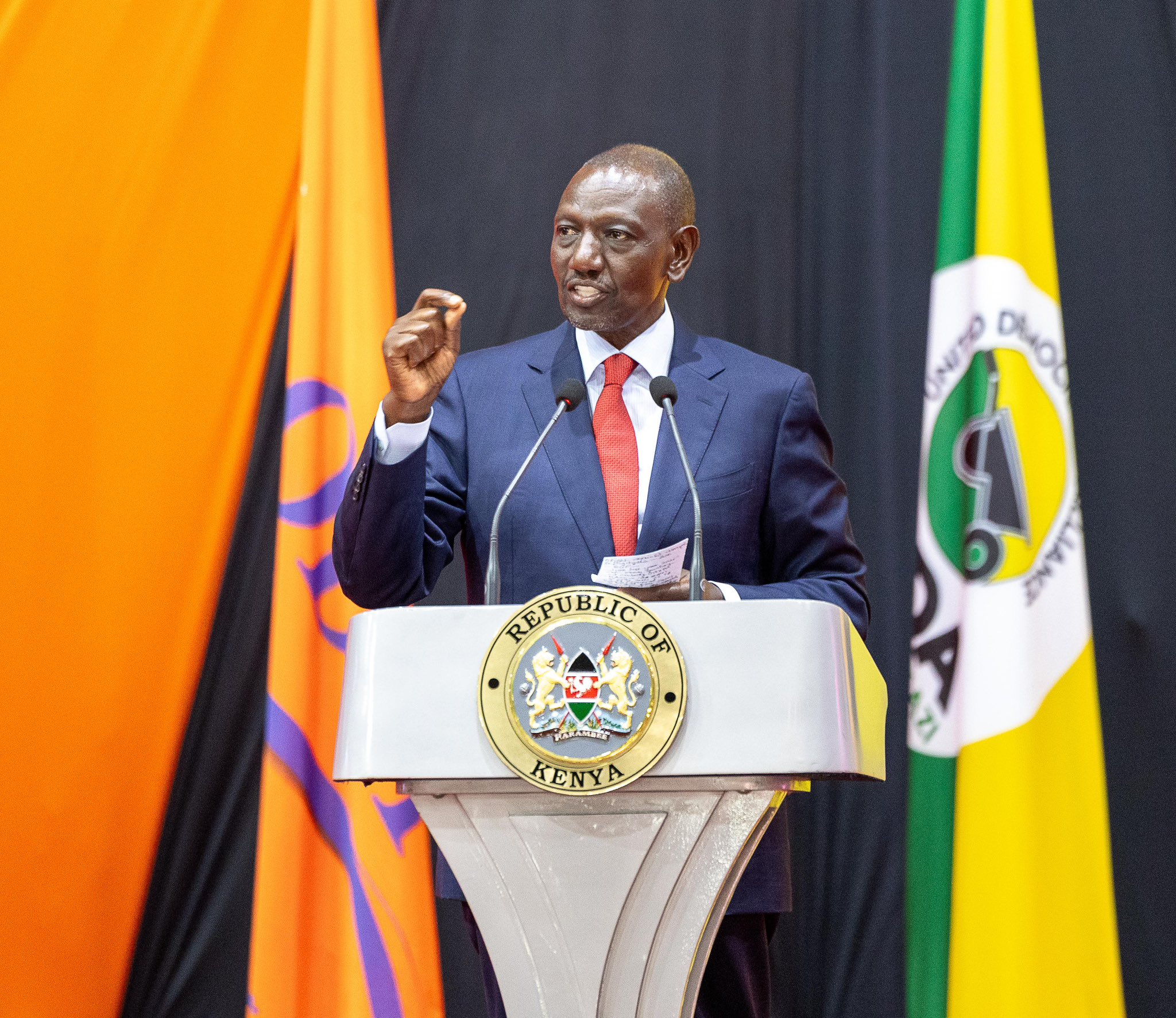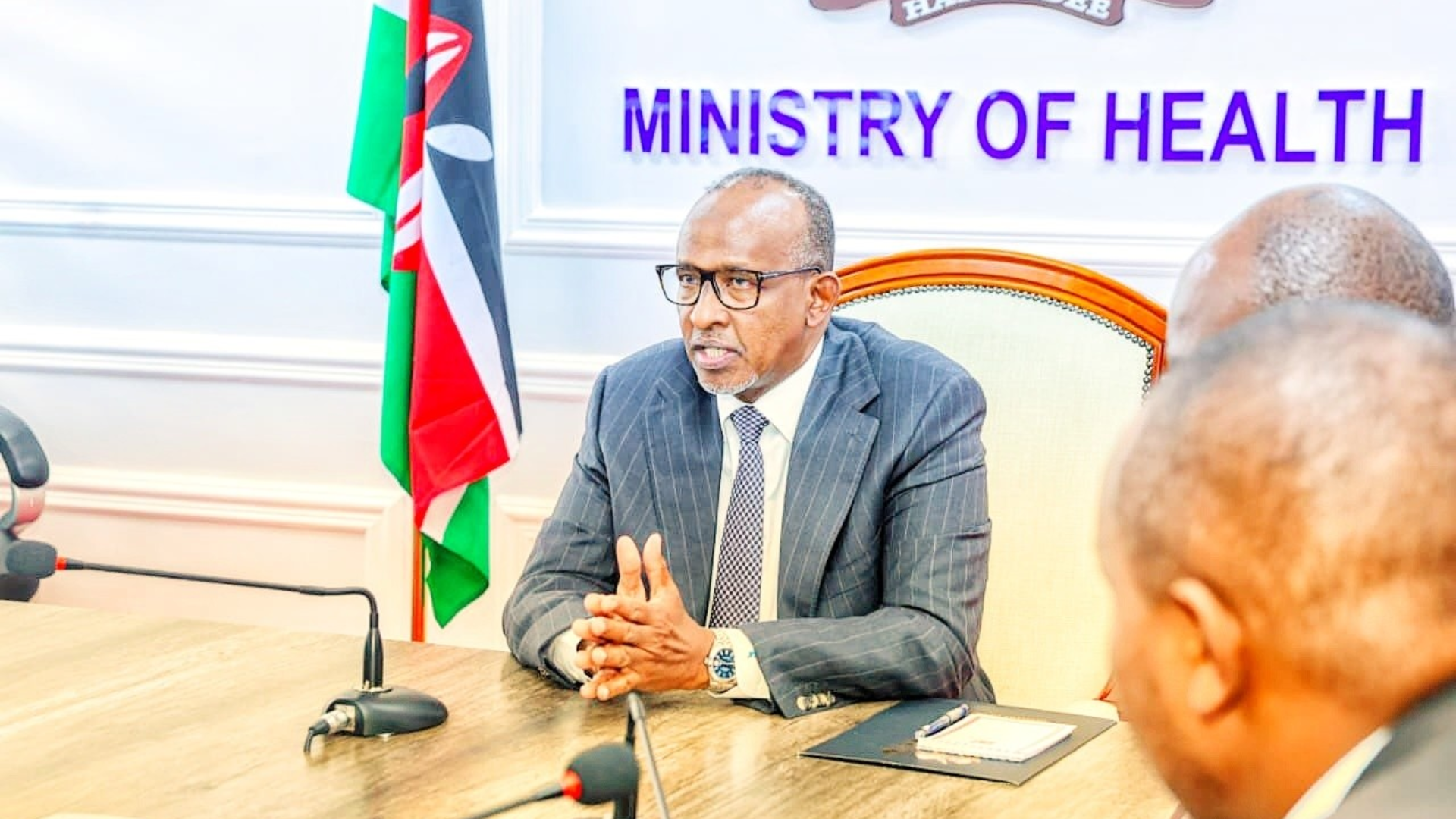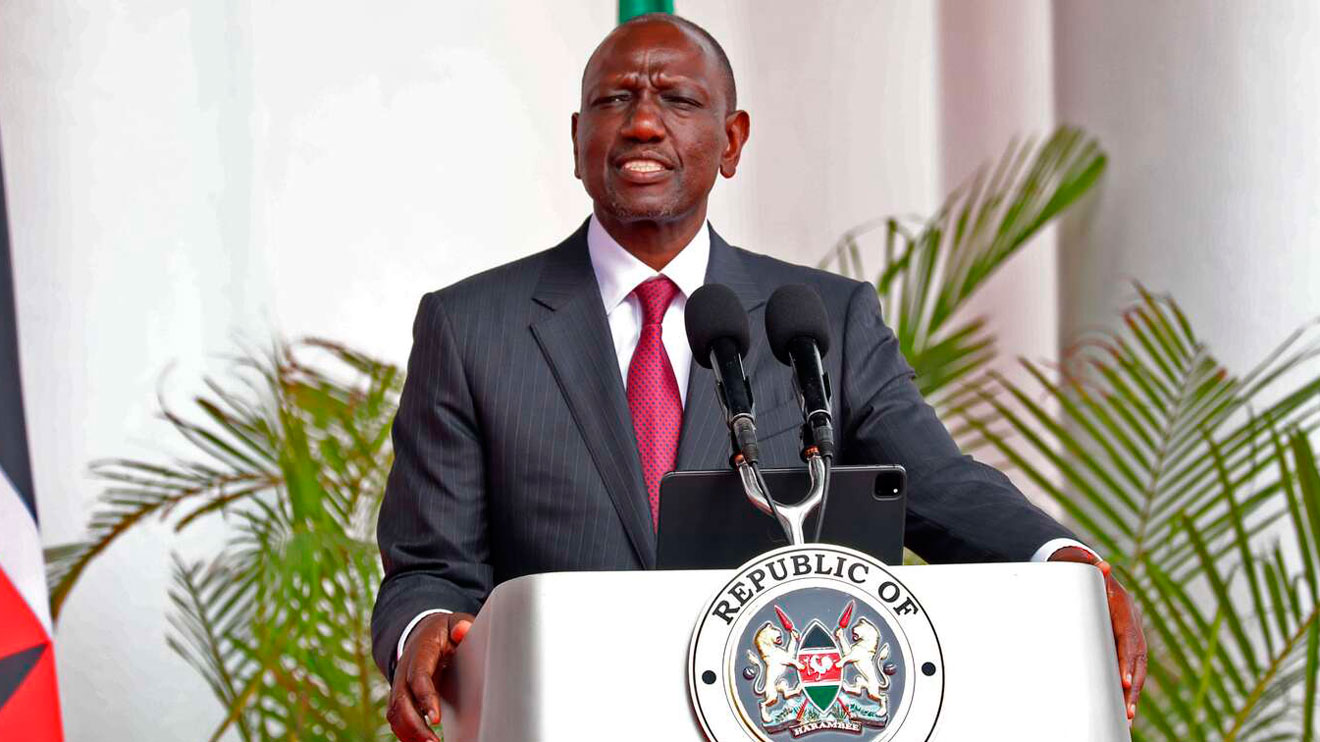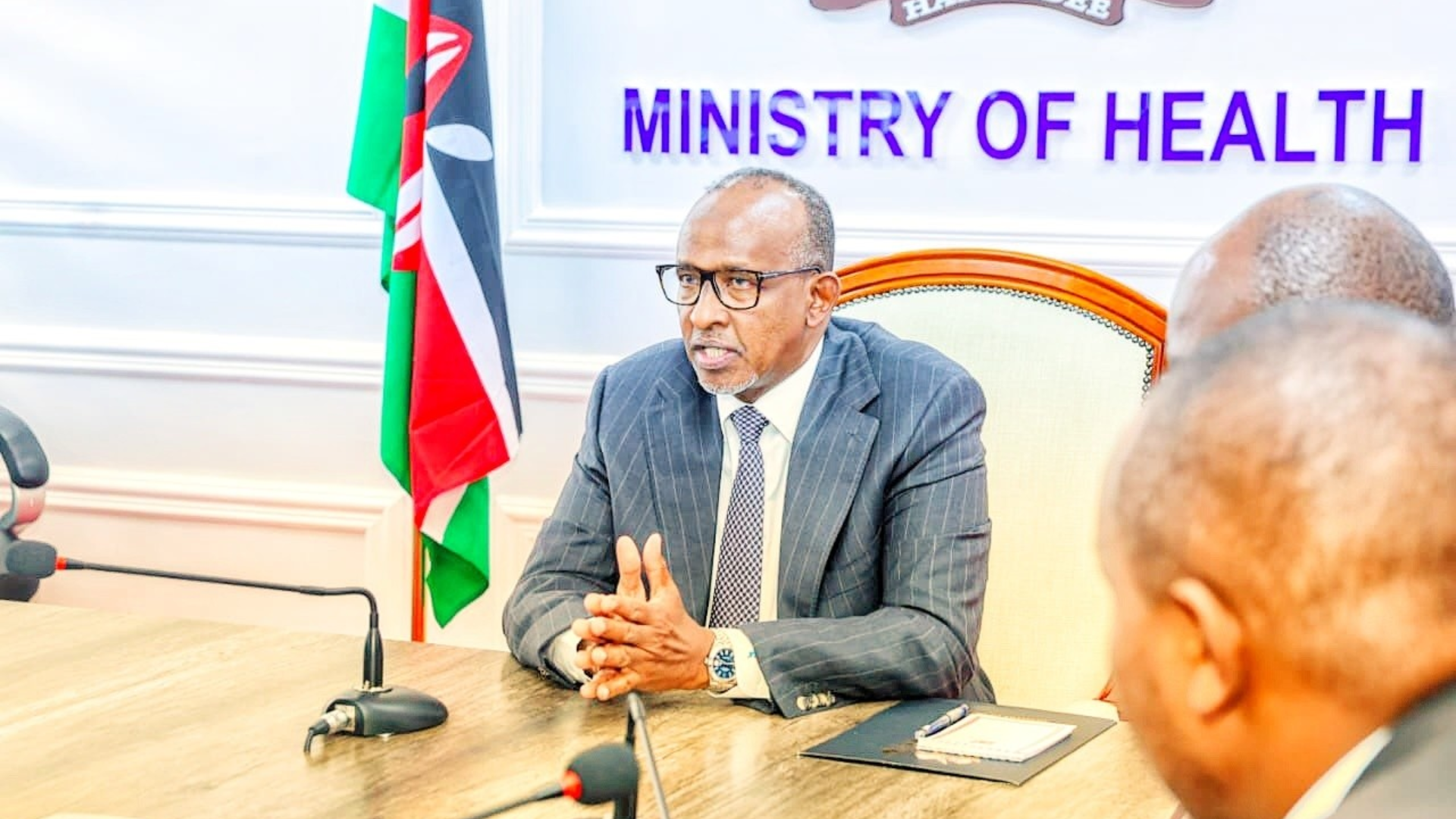
Former Attorney General Justin Muturi has lifted the lid on a pivotal 2022 meeting in Karen where then-presidential candidate William Ruto explained his decision to select Rigathi Gachagua as running mate, sidelining other contenders like Tharaka Nithi Senator Kithure Kindiki and Muturi himself. The revelation, made during a recent public forum, has reignited debate over internal UDA dynamics and the narrow 2022 election victory, while also drawing sharp criticism for Muturi's claim of an unofficial meeting between Ruto and IEBC officials.
Muturi recounted the conversation with vivid detail, describing how Ruto hosted him at his Karen residence shortly before the running mate announcement. According to Muturi, Ruto confided that party leaders from the Mt. Kenya region had insisted on a candidate from the United Democratic Alliance with strong grassroots appeal among the Kikuyu community. “He told me the leaders were clear,” Muturi said. “They wanted someone from UDA who could mobilise the Mt. Kenya vote effectively. Kindiki was a strong contender, but they felt his Kikuyu connections were limited. They pushed for Gachagua because of his mobilisation skills and ability to rally the base.”
The choice of Gachagua, a former Mathira MP known for his fiery rhetoric and organisational prowess, proved instrumental in securing the region’s support, which helped Ruto edge out Raila Odinga by a slim margin of less than 200,000 votes. Muturi, who was representing the Democratic Party at the time, said he was also in contention but was edged out due to similar regional and party considerations. “Ruto acknowledged that my Democratic Party had limited sway in Mt. Kenya,” Muturi added. “He said the decision was driven by political pragmatism to ensure victory. Without Gachagua's mobilisation, the win might not have happened.”
The disclosure has sparked fresh questions about the internal pressures within UDA during the 2022 campaign and the extent to which regional interests dictated key decisions. Political analysts have noted that Gachagua’s role in rallying the Mt. Kenya vote was indeed crucial, but his subsequent fallout with Ruto—culminating in his impeachment in October 2024—highlights the fragility of such alliances. One analyst commented: “This revelation shows how transactional politics can be. Gachagua was chosen for his utility in 2022, but when that utility waned, he became expendable.”
Muturi's account also touched on a more controversial aspect: an alleged unofficial meeting between Ruto and IEBC officials in May 2022, just months before the election. Muturi claimed the gathering was informal and not documented, raising eyebrows over its purpose and legality. “There was a meeting where Ruto engaged with IEBC on certain preparations,” Muturi said. “As AG, I was aware but did not raise it publicly at the time because it did not seem to cross any lines. But looking back, perhaps it should have been handled differently.”
The claim has drawn immediate backlash from opposition figures and civil society, who accuse Muturi of selective silence. “If this meeting happened and was irregular, why did Muturi not flag it as Attorney General?” asked one opposition MP. “His revelation now, years later, smells of political opportunism. If it helped Ruto, it could have been part of the rigging machinery we suspected all along.”
Election observers and legal experts have called for clarification on the nature of the meeting. “Any unofficial engagement between a candidate and the electoral body raises red flags,” said a constitutional lawyer. “Even if no wrongdoing occurred, the perception of influence undermines public trust in the process. Muturi owes the public a full account of what transpired and why he stayed silent.”
Ruto’s allies have dismissed the revelations as sour grapes from a former insider now on the periphery. A close associate said: “Muturi is trying to remain relevant by stirring old pots. The 2022 election was certified by the Supreme Court, and no new evidence changes that. As for the running mate choice, politics is about winning—Ruto made the right call, and the people of Mt. Kenya agreed.”
The timing of Muturi’s statements has fueled speculation about his political ambitions ahead of 2027. Some see it as positioning for a comeback within UDA or an independent run, while others view it as an attempt to distance himself from Ruto’s administration amid ongoing controversies over governance and economic management.
Gachagua, now in political wilderness following his impeachment, has not responded directly but his supporters have seized on the narrative to portray him as the unsung hero of the 2022 victory. “Without Gachagua, there would be no President Ruto,” one ally posted online. “He was chosen for his skills, not favours. History will vindicate him.”
As the dust settles on Muturi’s revelations, the story underscores the intricate web of alliances, pressures and backroom deals that shaped the 2022 election outcome. With 2027 looming, such disclosures are likely to fuel more introspection within UDA and renewed scrutiny of the IEBC’s independence from political actors.