 Faith Masita
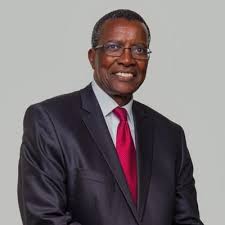
As Kenya’s political temperature rises ahead of the 2027 General Election, former Chief Justice David Maraga is seeking to redefine his public role not merely as a critic of the current administration but as a central figure in forging a united opposition front capable of challenging President William Ruto’s re-election bid.
Speaking in Kathonzweni, Makueni County on Tuesday, Maraga confirmed ongoing consultations with like-minded leaders aimed at consolidating political forces opposed to the president. He said talks are at an early stage, but stressed that the central objective is to ensure Ruto is limited to a single term in office.
“We share a common goal: to give Kenyans a credible alternative that can transform governance and curb corruption,” Maraga said, framing the dialogue as a mission to strengthen democratic accountability rather than as a narrow power play.
A Broader Opposition Ecosystem Emerging
Maraga’s comments reflect a growing momentum among opposition figures to align ahead of 2027. Previous reporting has shown that former Interior Cabinet Secretary Fred Matiang’i also supports a united opposition structure, describing efforts to bring diverse leaders together as an ongoing process despite inevitable disagreements.
Meanwhile, other opposition actors including forces within and around the United Opposition bloc have been pushing their own alliance strategies. A recent push in Kisii and Nyamira counties saw leaders accuse security agencies of inaction following disturbances at rallies, a contention that underscores intensifying political competition and the high stakes being placed on grassroots mobilisation.
Some opposition leaders, like ODM’s Edwin Sifuna, are reportedly exploring parallel alliance configurations with figures such as Kalonzo Musyoka and Rigathi Gachagua, signalling that the opposition’s coalition building is broad-based and potentially complex.
Shifting Narrative From Legal Reformer to Political Contender
Maraga’s emergence onto the political stage blurs the lines between his former role as Chief Justice known for his landmark decision annulling the 2017 presidential vote and his new identity as a political contender with reformist credentials. His emphasis on anti-corruption, institutional integrity, and youth voter mobilisation signals a strategy that attempts to appeal beyond traditional party loyalties.
At the same time, Maraga did not shy away from criticism of the Ruto administration, citing what he describes as a failure to tackle graft and mismanage public resources issues his supporters believe could energise a broad cross-section of voters.
The next steps for Maraga and his potential allies are likely to involve formalising talks, defining leadership arrangements, and building a clear campaign platform. Whether these efforts will coalesce into a single ticket capable of competing effectively remains a central question in Kenyan politics ahead of 2027 particularly given competing interests and ideological divides within the opposition landscape.
What is clear, however, is that the opposition is no longer a loose set of criticisms but an active political movement strategising on multiple fronts to shape Kenya’s electoral future.
Speaking in Kathonzweni, Makueni County on Tuesday, Maraga confirmed ongoing consultations with like-minded leaders aimed at consolidating political forces opposed to the president. He said talks are at an early stage, but stressed that the central objective is to ensure Ruto is limited to a single term in office.
“We share a common goal: to give Kenyans a credible alternative that can transform governance and curb corruption,” Maraga said, framing the dialogue as a mission to strengthen democratic accountability rather than as a narrow power play.
A Broader Opposition Ecosystem Emerging
Maraga’s comments reflect a growing momentum among opposition figures to align ahead of 2027. Previous reporting has shown that former Interior Cabinet Secretary Fred Matiang’i also supports a united opposition structure, describing efforts to bring diverse leaders together as an ongoing process despite inevitable disagreements.
Meanwhile, other opposition actors including forces within and around the United Opposition bloc have been pushing their own alliance strategies. A recent push in Kisii and Nyamira counties saw leaders accuse security agencies of inaction following disturbances at rallies, a contention that underscores intensifying political competition and the high stakes being placed on grassroots mobilisation.
Some opposition leaders, like ODM’s Edwin Sifuna, are reportedly exploring parallel alliance configurations with figures such as Kalonzo Musyoka and Rigathi Gachagua, signalling that the opposition’s coalition building is broad-based and potentially complex.
Shifting Narrative From Legal Reformer to Political Contender
Maraga’s emergence onto the political stage blurs the lines between his former role as Chief Justice known for his landmark decision annulling the 2017 presidential vote and his new identity as a political contender with reformist credentials. His emphasis on anti-corruption, institutional integrity, and youth voter mobilisation signals a strategy that attempts to appeal beyond traditional party loyalties.
At the same time, Maraga did not shy away from criticism of the Ruto administration, citing what he describes as a failure to tackle graft and mismanage public resources issues his supporters believe could energise a broad cross-section of voters.
The next steps for Maraga and his potential allies are likely to involve formalising talks, defining leadership arrangements, and building a clear campaign platform. Whether these efforts will coalesce into a single ticket capable of competing effectively remains a central question in Kenyan politics ahead of 2027 particularly given competing interests and ideological divides within the opposition landscape.
What is clear, however, is that the opposition is no longer a loose set of criticisms but an active political movement strategising on multiple fronts to shape Kenya’s electoral future.