 Diana Muthini
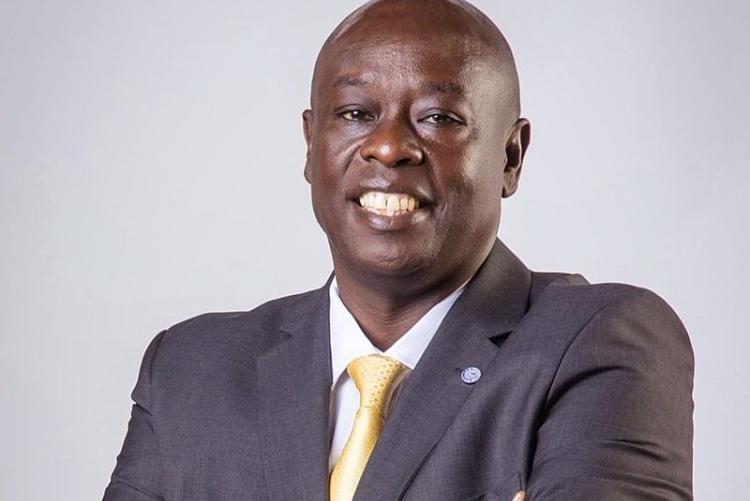
Political tensions in Kenya have escalated sharply following a stern warning issued by National Assembly Majority Leader Kimani Ichung’wah to Deputy President Rigathi Gachagua. The remarks, which have drawn widespread attention across the country, come amid growing speculation that an impeachment motion against the Deputy President could be in the making.
Ichung’wah’s message, widely interpreted as both a caution and a signal of deeper political friction, appeared to respond to Gachagua’s recent statements and actions that some leaders within government circles have described as confrontational. The phrase “leave me alone,” now dominating political conversations, reflects the intensity of the standoff, with both sides appearing unwilling to back down.
Growing Political Rift
At the heart of the dispute is an increasingly visible rift within the ruling leadership. While both Ichung’wah and Gachagua are key figures in the current administration, recent weeks have seen a rise in public disagreements, exposing divisions that were previously handled behind closed doors.
Ichung’wah accused the Deputy President of straying from the government’s collective agenda and engaging in political conduct that risks undermining unity. He stressed that leadership requires discipline, consultation, and adherence to shared goals.
According to Ichung’wah, no individual—regardless of position—is above accountability. His warning suggested that continued defiance could trigger serious political consequences, including potential constitutional action.
Impeachment Speculation Intensifies
Although no formal impeachment motion has been tabled, Ichung’wah’s remarks have intensified speculation that such a move could be under consideration. In Kenya, impeaching a Deputy President is a complex and rare process that requires substantial political backing.
The process begins in the National Assembly, where a motion must be supported by at least one-third of Members of Parliament. If approved, it proceeds to the Senate, where a special committee investigates the allegations before a final vote is taken. Given these requirements, any attempt to remove a Deputy President would signal a major political shift and could reshape the country’s leadership dynamics.
Analysts note that strong public statements from senior leaders often serve as early indicators of internal political maneuvers. As such, Ichung’wah’s warning is being viewed not just as rhetoric, but as a possible sign of deeper strategic positioning within government ranks.
Gachagua’s Camp Responds
Allies of Gachagua have quickly come to his defense, dismissing the warning as politically driven and unfair. They argue that the Deputy President has been vocal in representing the concerns of ordinary Kenyans and should not be punished for expressing his views.
Some leaders aligned with him insist that his remarks and actions are rooted in a desire to address pressing national issues, including economic challenges and governance concerns. They have called for dialogue and unity, warning that internal conflicts could weaken the administration and distract from development priorities.
“There is no need for threats,” one supporter stated. “Leaders should sit down and resolve their differences instead of escalating tensions in public.”
Calls for Unity and Stability
Amid the growing tension, several political figures and observers have urged both sides to exercise restraint. They warn that prolonged infighting within government could erode public confidence and create uncertainty in the country.
Kenya has, in the past, experienced political instability arising from leadership disputes, and many citizens are keen to avoid a repeat of such situations. With economic pressures already affecting many households, there is increasing demand for leaders to focus on service delivery rather than political battles.
A Test for the Administration
The unfolding situation presents a significant test for the unity and stability of the current administration. As one of the highest-ranking officials in government, Gachagua’s position carries both influence and responsibility, making any conflict involving him particularly sensitive.
For Kimani Ichung’wah, the warning underscores his role as a key figure in maintaining order within the legislative arm of government. For Rigathi Gachagua, the moment represents a critical point in his political journey, with his next steps likely to shape both his future and that of the administration.
What Lies Ahead
As the situation continues to develop, attention will remain firmly fixed on Parliament and the broader political landscape. Whether the tensions will lead to formal impeachment proceedings or be resolved through internal negotiations remains uncertain.
What is clear, however, is that the stakes are high. Any escalation could have far-reaching implications, not only for the individuals involved but also for the country as a whole.
For now, Kenyans are left watching closely as the drama unfolds—hoping for stability, but bracing for what could become one of the most significant political confrontations in recent times.