Kenya Revenue Authority has officially rolled out body-worn cameras for customs and border control officers deployed at major airports, seaports and land border points across the country.
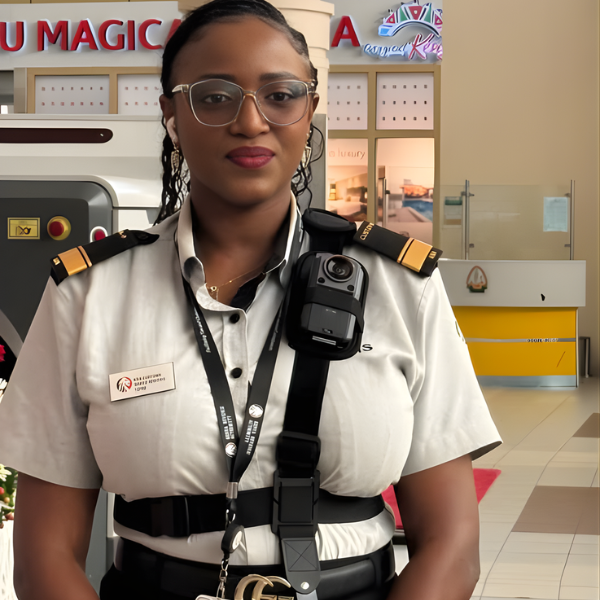
The initiative, launched on March 5, 2026, at Jomo Kenyatta International Airport, aims to increase transparency, reduce opportunities for corruption, enhance officer safety and improve public confidence in the revenue collection process. The cameras—small, chest-mounted devices with high-definition video, audio recording, GPS tagging and long battery life—will be worn by officers during passenger screening, cargo examination, valuation assessments, baggage checks, immigration interactions and any direct engagement with travellers or traders.
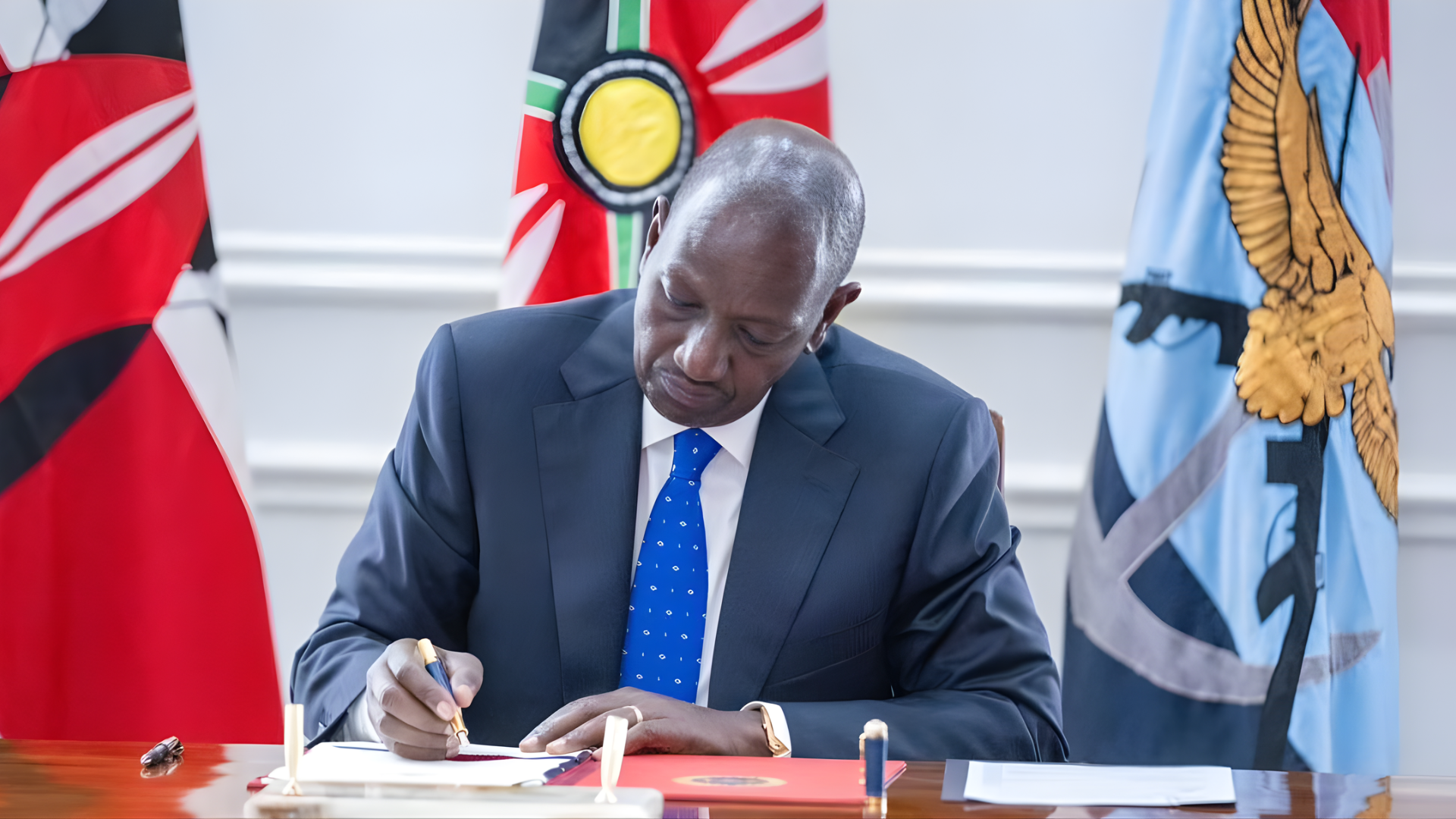
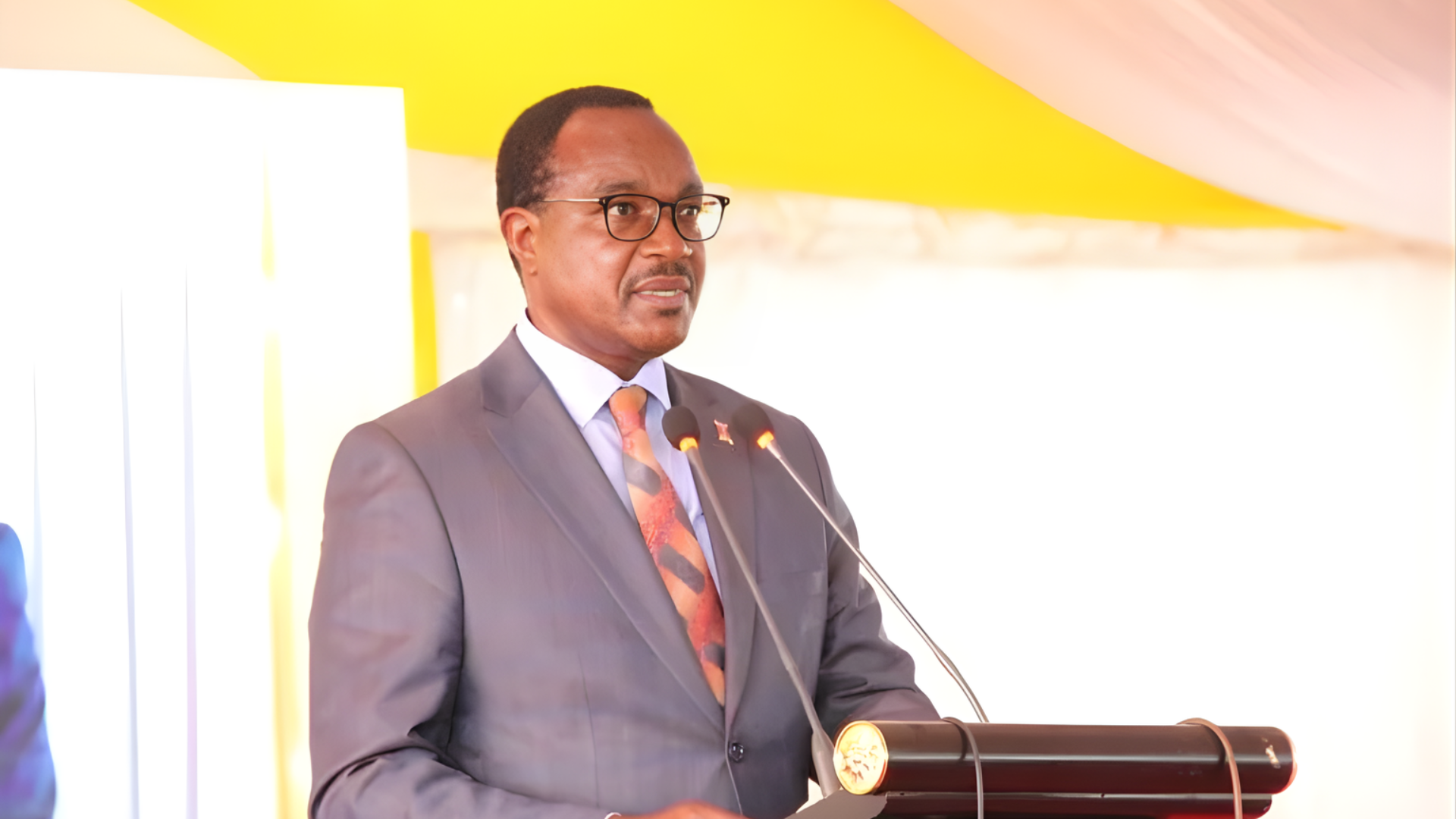
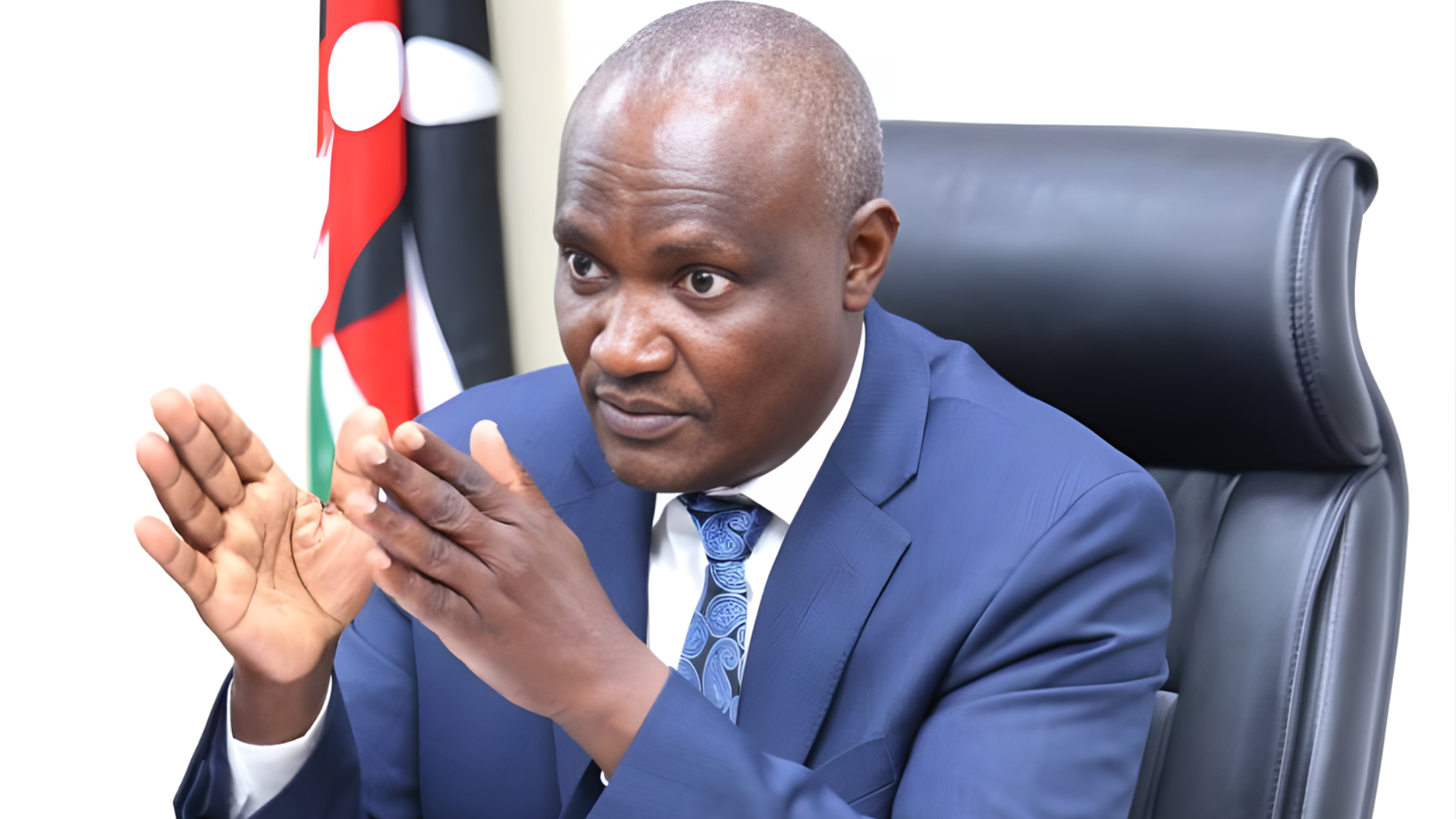
KRA Commissioner-General Humphrey Wattanga presided over the launch ceremony, where the first batch of 500 cameras was handed over to officers at JKIA Terminal 1A. “For too long, public perception of customs and border operations has been tainted by allegations of extortion, bribery and inconsistent application of rules,” Wattanga said. “Body-worn cameras are a powerful tool to change that narrative. When an officer knows every interaction is recorded, it promotes professionalism. When a traveller or trader knows the interaction is documented, it builds trust. This is about accountability on both sides.”
The cameras are designed to record continuously during duty hours, with a 30-second pre-event buffer that captures footage immediately before the record button is pressed. Recordings are encrypted, stored on secure servers and accessible only to authorised investigators or internal audit teams. Officers must inform individuals they are recording at the start of any interaction unless doing so would compromise safety or an ongoing investigation. In such exceptional cases, the reason for non-notification must be documented.
The rollout is phased, beginning with high-traffic international gateways—JKIA, Moi International Airport, Mombasa Port, Busia, Malaba, Namanga and Taveta border posts. Within six months, all customs and border control officers nationwide will be equipped. KRA has partnered with a South African-based security technology firm to supply the cameras, provide training and maintain the digital evidence management system.
Wattanga emphasised that the cameras will also protect officers from false accusations. “We have seen cases where officers are wrongly accused of misconduct because there is no independent record,” he explained. “With body-worn cameras, both the officer and the member of the public are protected. The truth becomes clear and verifiable.”
The project is funded through a combination of KRA’s own resources, support from development partners and a grant from the World Customs Organization’s integrity development programme. Total cost for the first phase is estimated at KSh 850 million, covering hardware, software, training, secure storage infrastructure and ongoing maintenance.
Public reaction has been largely positive, with many travellers and traders expressing hope that the measure will finally curb long-standing complaints of harassment and demands for bribes at ports of entry. A frequent cross-border trader at Busia said: “Every time I cross, I am asked for ‘something small’ even when my papers are in order. If the officers know they are being recorded, that nonsense will stop. This is good for honest business.”
Civil society groups monitoring governance and anti-corruption welcomed the move but called for strong safeguards. Transparency International Kenya Executive Director Sheila Masiga said: “Body-worn cameras are only as effective as the policies and enforcement behind them. We need clear rules on when recordings can be accessed, strict penalties for tampering or deleting footage, and independent oversight so the system is not used to shield misconduct rather than expose it.”
The cameras are part of a broader integrity and modernisation programme at KRA that includes digital cargo tracking, automated valuation systems, e-seals for transit goods and enhanced passenger profiling. Wattanga said the authority is committed to making Kenya’s borders among the most efficient and corruption-free in the region.
“Technology alone will not solve corruption,” he concluded. “But when combined with strong leadership, continuous training, fair remuneration and zero tolerance for misconduct, it becomes a powerful deterrent. Today we take a big step toward that goal.”
The rollout will be monitored closely over the next six months, with quarterly reports on usage statistics, complaints received, disciplinary actions taken and improvements in clearance times. KRA has invited members of the public to report any suspicious behaviour by officers, assuring whistle-blower protection and confidentiality.
As Kenya continues to position itself as a regional trade and logistics hub, the introduction of body-worn cameras at entry points is seen as both a practical anti-corruption measure and a signal of commitment to professionalism in public service.