 WEKESA KULECHO
Kenya’s political temperatures rose sharply over the weekend following an exchange between Interior Cabinet Secretary Kipchumba Murkomen and Nairobi Senator Edwin Sifuna, sparked by the controversial disruption of opposition rallies and growing debate over the right to peaceful assembly.
At the center of the dispute is the handling of political gatherings linked to Sifuna’s grassroots mobilization efforts, particularly after chaotic scenes witnessed during a recent rally that saw police intervention, tear gas deployment, and allegations of excessive force.
Murkomen’s Position: Law, Order, and Procedure
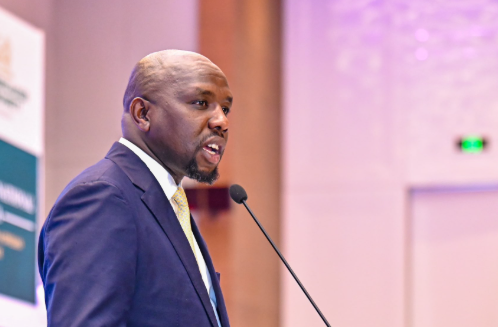
Murkomen, speaking in his capacity as Interior CS, defended the actions of security agencies. He argued that police were not formally notified about the rally in question, stating that public order laws require organizers to inform authorities in advance to ensure proper crowd control and security planning.
According to Murkomen, the failure to follow laid-down procedures created a security risk. He further claimed that “goons” had infiltrated the gathering, forcing police to intervene to prevent escalation.
The CS emphasized that security agencies are mandated to maintain law and order regardless of political affiliation, warning that no leader is above the law when it comes to organizing public events.
His remarks framed the incident as an operational security matter rather than political suppression.
Sifuna’s Response: Attack on Democratic Freedoms
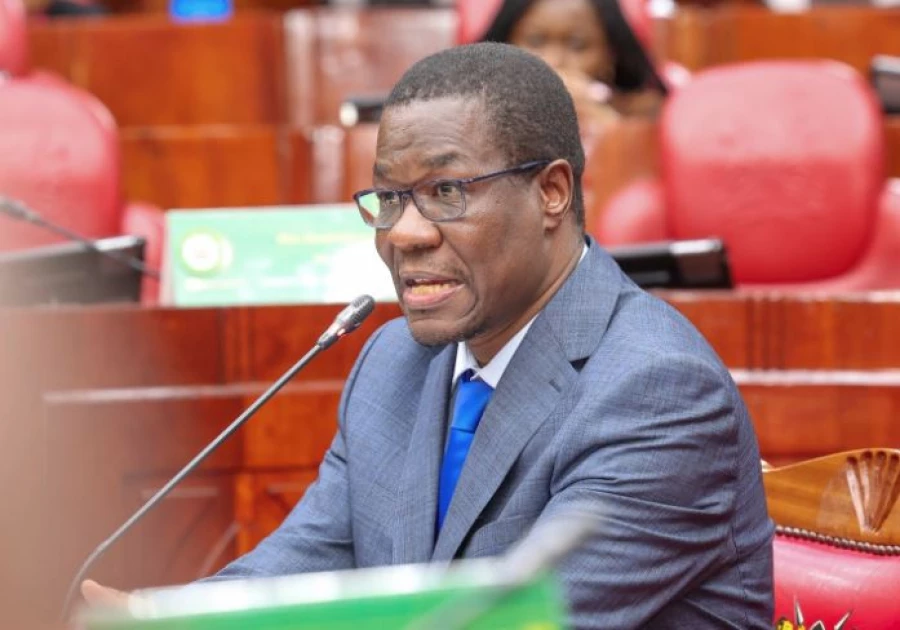
Sifuna strongly rejected Murkomen’s assertions, accusing the government of targeting opposition voices under the guise of maintaining public order. The Nairobi Senator insisted that the rally was peaceful and that police action was unnecessary and provocative.
He framed the incident as part of a broader pattern of state intimidation against opposition leaders and supporters, arguing that the Constitution guarantees the right to peaceful assembly without requiring state permission — only notification.
Sifuna also questioned the proportionality of force used, especially given reports of injuries and at least one fatality during the chaos. He challenged Murkomen to ensure accountability within the police service if wrongdoing occurred.
Broader Political Implications
The Murkomen-Sifuna exchange highlights deeper national issues:
- Freedom of Assembly vs. Security Enforcement
Kenya’s Constitution protects the right to peaceful demonstration. However, interpretation of the Public Order Act often creates friction between organizers and law enforcement. - Opposition-Government Relations
The confrontation reflects widening distrust between opposition figures and state institutions. With 2027 elections on the horizon, such incidents could harden political lines. - ODM Internal Politics
Sifuna’s mobilization efforts also come amid internal tensions within his party, making the security standoff both a national and intra-party issue.
Political Messaging and Power Play
For Murkomen, maintaining a firm stance reinforces his image as a law-and-order enforcer. It signals to government supporters that public stability remains a top priority.
For Sifuna, confrontation may energize his grassroots base. By positioning himself as a defender of democratic rights, he strengthens his political narrative as a fearless opposition voice.
Both leaders appear to be playing to their constituencies — Murkomen to state authority and governance, Sifuna to civic freedom and political resistance.
What Comes Next?
The key questions now are:
- Will there be an independent investigation into the rally incident?
- Will opposition rallies face tighter security restrictions?
- Could this escalate into sustained political standoffs across counties?
As Kenya edges closer to another election cycle, the Murkomen-Sifuna clash could mark the beginning of a broader political contest over civic space, state power, and the future direction of opposition politics.